


2. Disconnect the gear shift lever from the gearbox (see chapter 6).
3. Disconnect the clutch control cable.
4. Disconnect the speedometer cable and reverse light switch wiring from the gearbox.
5. Raise and support the front of the car so that the engine and gearbox can be removed from underneath (see paragraph 22).
6. Suspend the engine on hoists so as to remove the weight of the engine and gearbox from the mounts.
7. Disconnect the exhaust downpipe from the manifold and at the spring loaded ball joint.
8. Mark the installed position of the front left wheel on its hub, which is necessary in order not to disturb the factory wheel balance. You can simply mark one of the wheel bolts and the hole for it in the hub with paint.
9. Remove the front left wheel.
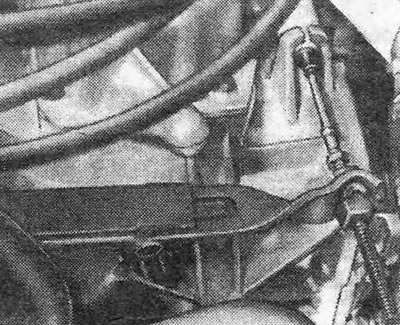
Figure 1.9. Connecting the clutch cable to the clutch release lever.
10. Remove the lock nut or cotter pin from the crown hub nut and unscrew the nut. To prevent the hub from turning, screw two bolts into place and pass a lever between them, thereby locking the hub. Be careful not to damage the threads on the bolts.
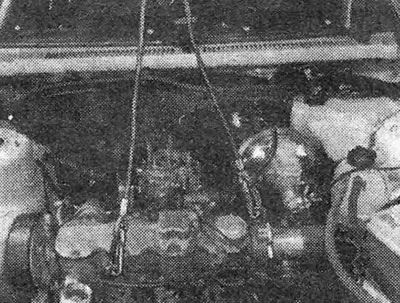
Figure 1.10. Suspend the engine on hoists.
11. Disconnect the control arm of the suspension with the support (see chapter 10).
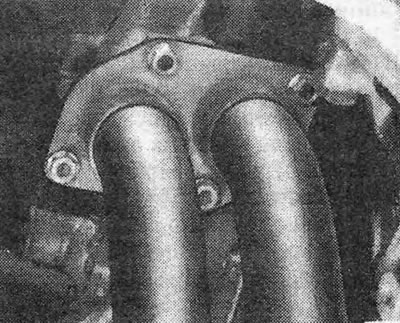
Figure 1.11. Exhaust system connecting flange.
12. Check that the car is securely supported and the suspension hangs freely.
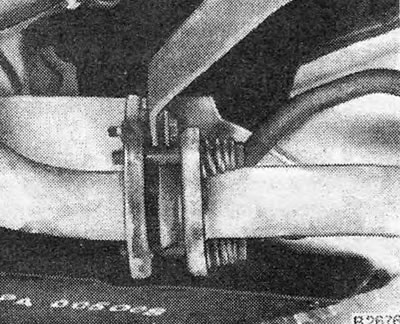
Figure 1.12. Spring-loaded ball joint of the exhaust system connection.
13. Remove the axle shaft from the hub. Usually this can be done by hand, but if the axle shaft is difficult to move, you can use a plastic-headed hammer or a puller.
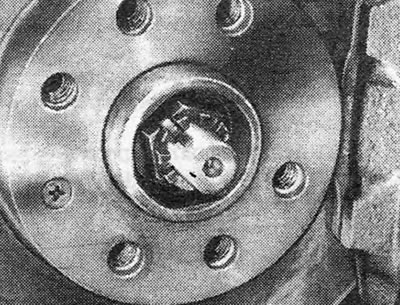
Figure 1.13. Hub nut retainer.
14. Disconnect the left axle shaft from the transmission unit (see chapter 7) and then with the lower control arm facing outward, pull on the hub/steering knuckle retainer so that the axle shaft can be removed from the vehicle.
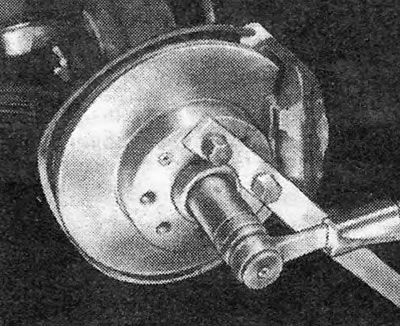
Figure 1.14. Removing the hub nut.
15. Loosen the bolt and disconnect the right rear engine support bracket from the mount.
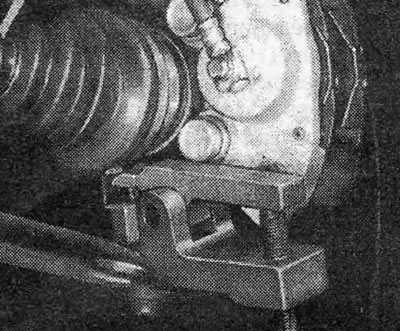
Figure 1.15. Tie rod end ball joint remover.
16. Loosen the bolt and disconnect the left rear engine support bracket from the mount.
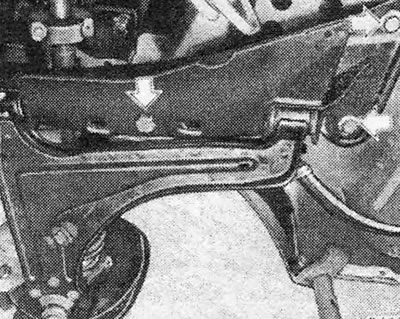
Figure 1.16. Bolts securing the suspension control arm support (shown by arrows) — 1.3 engines and some 1.6 engines.
17. Disconnect the ground wires from the gearbox and engine housings (see photo).
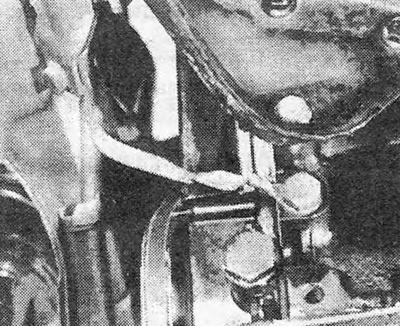
Photo 19.17. Grounding the engine to the lower part of the body.
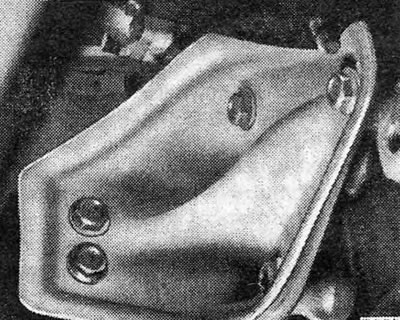
Figure 1.17. Right rear engine support bracket.
18. Loosen the bolt and disconnect the right rear engine support bracket from the side member (see photo).
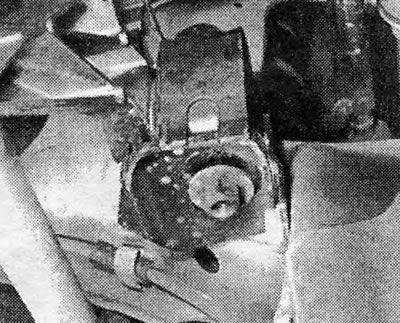
Photo 19.18. Right rear engine mount.
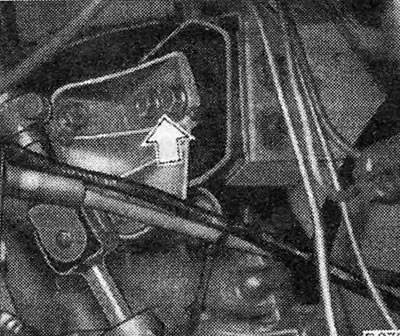
Figure 1.18. Left rear engine mount nuts (shown by arrows).
19. Loosen the bolts and disconnect the front engine and gearbox mounts (see photos).
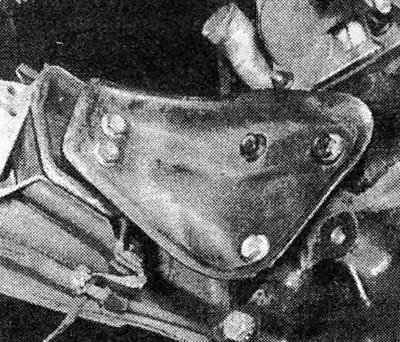
Photo 19.19A. Right front engine support bracket.
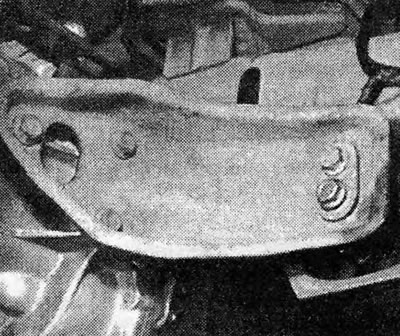
Photo 19.19B. Left front support bracket of the gearbox.
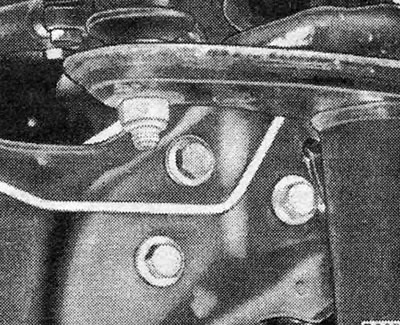
Figure 1.19. Fastening the right rear engine support bracket to the body.
(Article posted on an online resource OpelBook.ru)
20. Check that the engine and gearbox hang freely on the hoists and that all wires, hoses, etc. are disconnected.
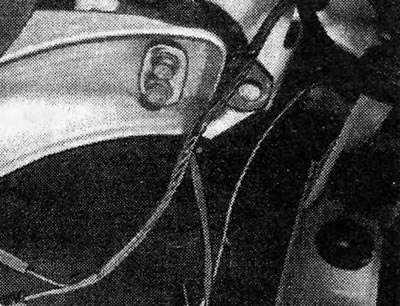
Figure 1.20. Left front engine mount.
21. Carefully lower the engine and gearbox, while simultaneously turning them so that the right axle shaft can be disconnected. When disconnecting the axle shaft, be careful not to drop it on the ground.
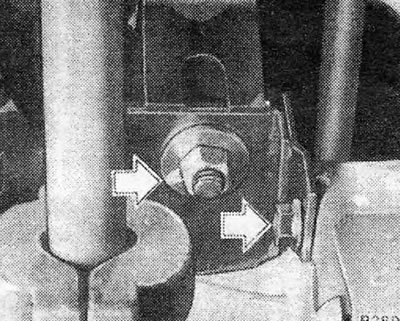
Figure 1.21. Front engine mount nuts (shown by arrows).
22. Lower the engine and gearbox to the floor and disconnect the hoists. You can use them to lift the front of the car to remove the engine and gearbox. Alternatively, you can jack up the front end and install supports under the side members.
Visitor comments