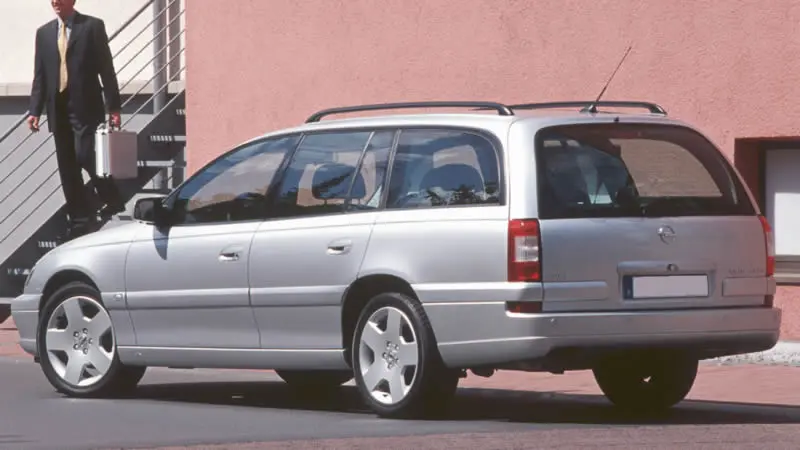
Opel Omega A (1986-1993)
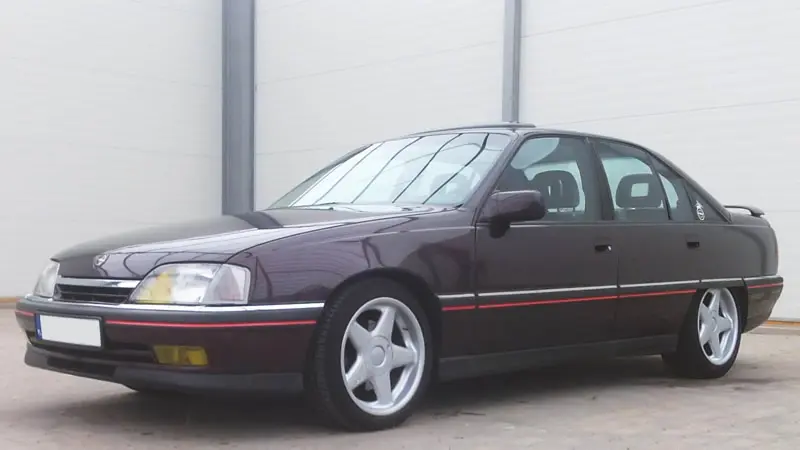
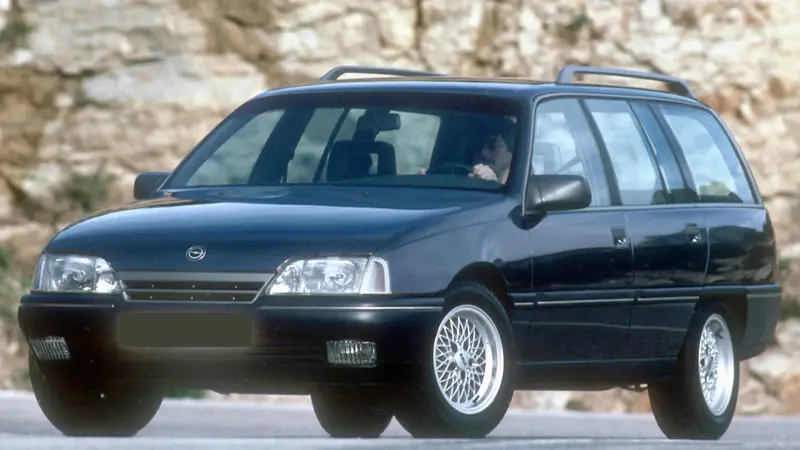
In September 1986, the first generation of the Omega appeared as a replacement for the Opel Rekord, which had been produced since 1953. Sales began in November. The body was designed as a continuation of the previous model, and the aerodynamics were improved to save fuel. The result was an excellent drag coefficient of 0.28 (0.32 for station wagon). There are only two body types - a 4-door sedan and a 5-door station wagon. In 1987, the car received the "European Car of the Year" award.
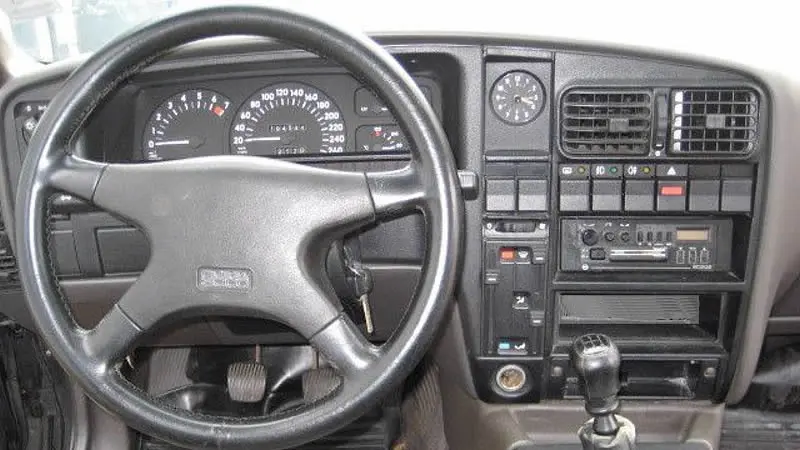
Compared to the Rekord, the Omega featured many modern technological advances that were new not only for Opel but also for the European car market in this segment. These included electronic engine management, ABS, an on-board computer (which displayed short-term fuel consumption or average speed), a glove box with air conditioning and even a fashionable LCD instrument cluster. There was also a self-diagnostic system, the data of which can be read by specially equipped service stations.
The range of petrol engines was huge. Nine 4-cylinder engines with a volume of 1.8 to 2.4 liters and a power of 71 to 123 hp, twelve 6-cylinder in-line engines with a volume of 2.6 to 4.0 liters and a power of 148 to 372 hp. There were only three diesel engines, all 4-cylinder with a volume of 2.3 liters and a power of 72, 89 and 100 hp. There were three gearboxes - a 4-speed automatic or 5- and 6-speed manual.
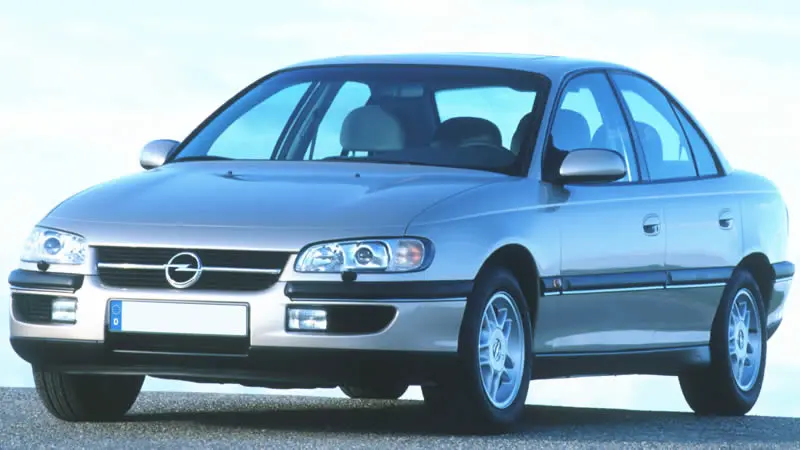
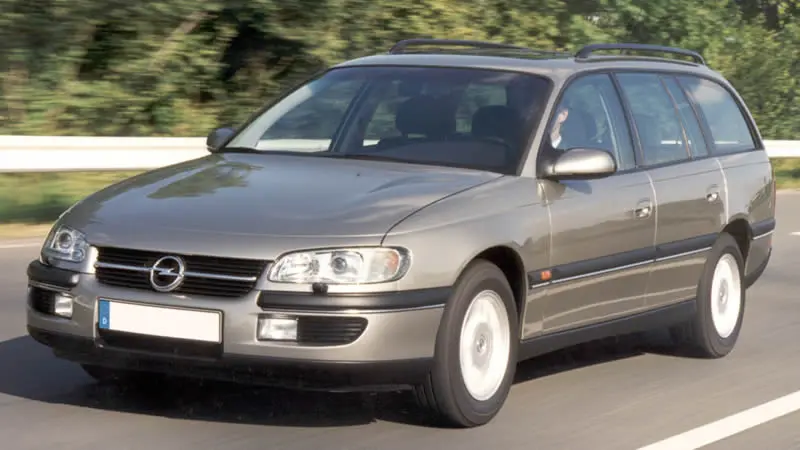
Opel Omega B1 (1994-1999)
The Omega B was a completely new car with a modern exterior design but with a traditional rear-wheel drive. The range of engines was completely new. Assembly shops were in Germany and Thailand. The bodies remained the same - a 4-door saloon and a 5-door estate. In 1995 it won the Irish Car of the Year award and in the same year it became the Import Car of the Year according to the RJC (Japan).
The engine lineup was small: two 2.0-liter 4-cylinder petrol engines with 114 and 134 hp, two 2.5- and 3.0-liter 6-cylinder V-engines with 168 and 208 hp, respectively. There were three diesel engines: one 2.0-liter 4-cylinder engine with 100 hp and two 2.5-liter in-line 6-cylinder engines with 130 and 131 hp. There were two transmissions: a 4-speed automatic or a 5-speed manual.
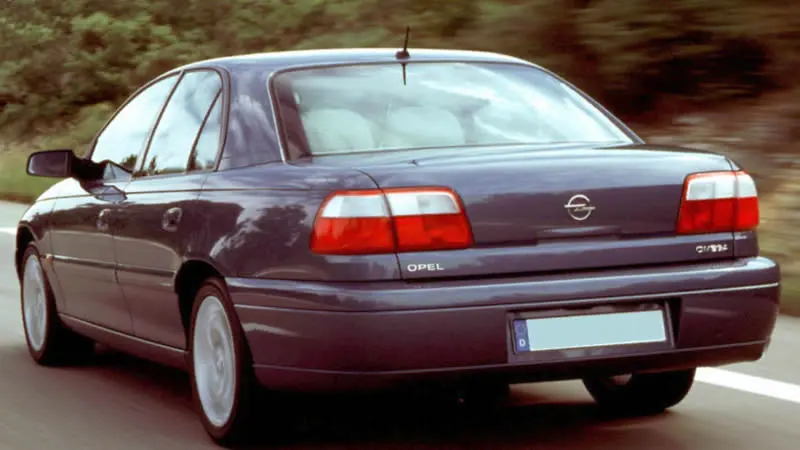
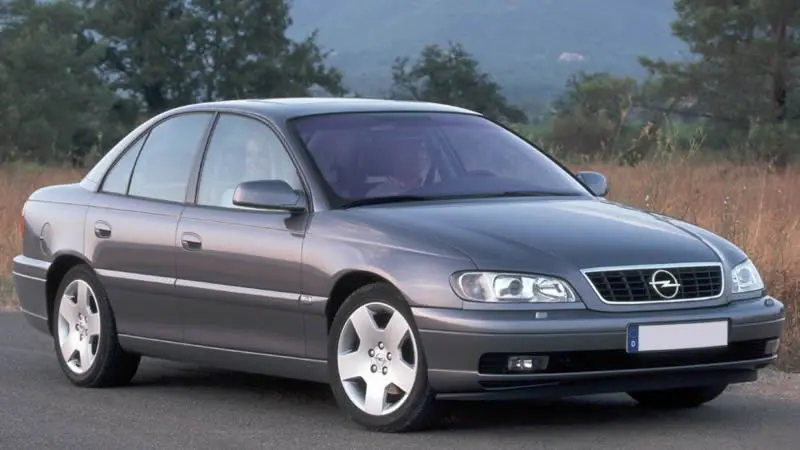
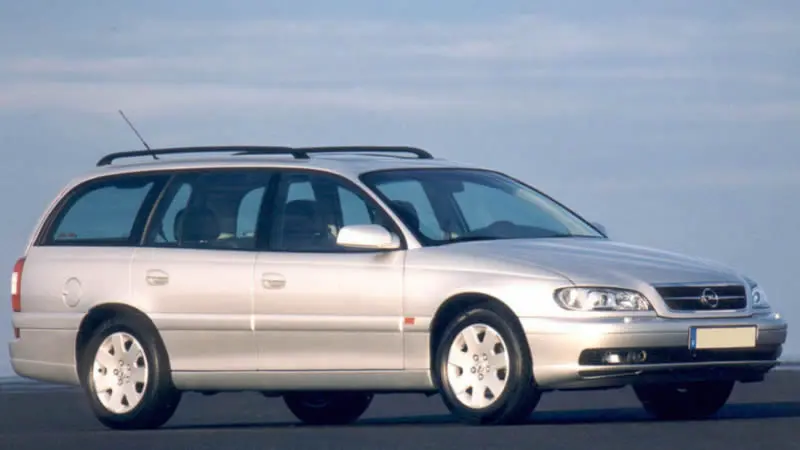
Opel Omega B2 (1999-2003)
The Omega B2 was released in the fall of 1999 as a restyling of the B1. The car featured relatively minor changes to the front and rear design, the center console, and the introduction of an electronic stabilization program (ESP). The main exterior changes included the grille, bumpers and moldings, taillights, exterior mirrors, alloy wheels, a new center console with GPS, air conditioning, and controls. There were two body types, the same as the B1.
The engine range has been expanded. Petrol: three 4-cylinder 2.0 and 2.2 liters with 134 and 143 hp, four V6 2.5 to 3.2 liters with 168 to 215 hp. Diesel: two 4-cylinder 2.0 and 2.2 liters with 100 and 118 hp and two 6-cylinder in-line 2.5 liters with 129 and 148 hp. Three types of transmissions - 4- and 5-speed automatic or 5-speed manual.