


2. Always first unhook the rigid tube from the flexible hose, then release the end of the flexible hose from the retaining clip. To do this, pull out the locking plate using a pair of pliers.
3. Now unscrew the flexible hose from the caliper or connector. The calipers use a banjo type hose connector. Always use a new sealing gasket when installing the hose.
4. When assembly is complete, check that the flexible hose does not rub against the tire or other adjacent components. Its position can be changed to correct this condition by pulling out the snap ring at the retaining clip and turning the hose in the required direction no more than one quarter of a turn.
5. Blow out the hydraulic system (Section 20).
6. Wipe steel brake lines clean regularly and inspect them for rust or pitting caused by stones.
7. Inspect how the tubes are installed in their insulated retaining spring rings and bend the spring wheel tongues if necessary to achieve proper installation.
8. Check that the tubes do not touch any adjacent component or rub against any part of the machine. Where this occurs, gently bend them aside.
9. Any part of the tube that is rusty or frayed should be replaced. It is possible to purchase brake couplings of the required length and with couplings on the ends from most dealers; they can also be made to order from many auto accessory suppliers. When installing new tubes, use the old tubes as a guide for how they should be bent, and do not bend them more than necessary.
10. After connecting the circuit, the system, of course, must be purged.
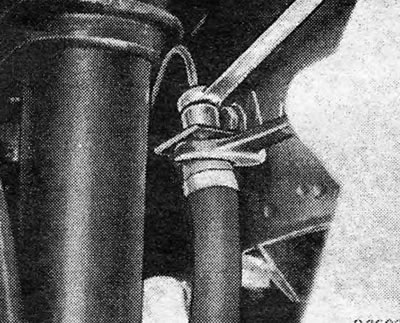
Figure 9.39 - Unscrewing the connecting sleeve of the tubes at the connection with the flexible hose
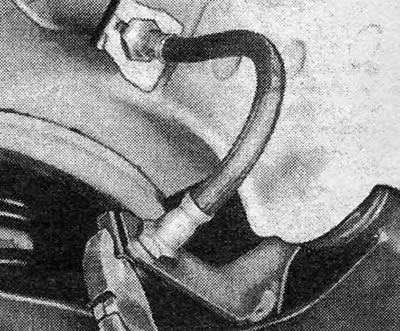
Figure 9.40 - Removing the flexible hose retaining ring from the support bracket
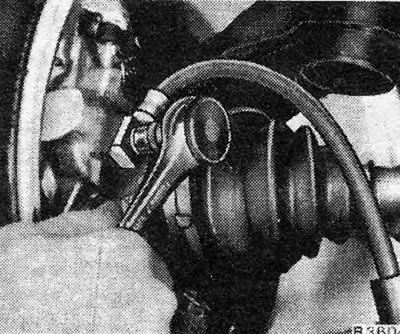
Figure 9.41 - Unscrewing the caliper banjo coupling bolt
Visitor comments