


2. Remove the mounting screw and pull out the brake drum. If necessary, move back the brake adjusters (photo).
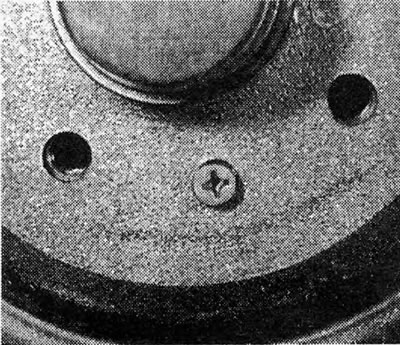
Photo 12.2 Brake drum retaining screw.
3. Using pliers, disconnect the upper return spring and pull the upper ends of the shoes until they clear the cylinder.
4. Disconnect the fluid tube from the cylinder and cap the end of the tube once you unscrew the coupling to prevent fluid loss. A dust cap for the nipple will work for this.
5. Unscrew the mounting bolts and remove the cylinder from the back plate.
b. Clean off any external dirt and remove the rubber boots from the cylinder body.
7. The pistons should normally be ejected by the pressure of the coil spring, but if this is not the case, tap the end of the cylinder with a piece of wood or use low pressure compressed air from a foot pump, directing the stream into the tube connection.
8. Inspect the piston and cylinder bore surfaces for rust, scratches, or metal-to-metal friction. If this is the case, replace the entire cylinder.
9. If these components are in good condition, discard the seal and boots and purchase a repair kit that contains all the parts that need to be replaced.
10. Install the piston seals (putting them in place using only your fingers), so that the spring is between them. Dip the pistons in clean hydraulic fluid and insert them into the cylinder.
11. Install the anthers.
12. Place the cylinder back on the back plate and connect the tubes.
13. Engage the brake shoes with the pistons and install the return spring.
14. Install the brake drum and adjust the shoes where necessary (see Section 8).
15. Bleed the hydraulic system as described in Section 20.
16. Reinstall the road wheel and lower the car.
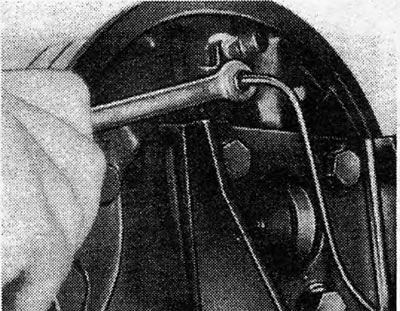
Figure 9.28. Unscrewing the rear cylinder coupling
[Material taken from an internet portal opelbook.ru]
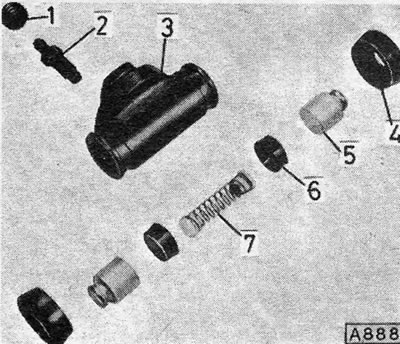
Figure 9.29. Rear cylinder disassembled: 1. Dust cap; 2. Blow-off screw; 3. Cylinder; 4. Dust cover;5. Piston; 6. Seal; 7. Spring.
Visitor comments