
OpelBook.ru
Cars AvtoVAZ Cars Mitsubishi Cars BMW Cars Mercedes Cars Nissan Cars Toyota Cars Chevrolet
English Русский
Български
Беларускі
Український
Српски
Hrvatski
Română
Polski
Slovenský
Magyar
 |  Sitemap  |  Contacts  |    


Main Astra Corsa Insignia Kadett Omega Vectra Zafira Others Articles
Frontera A (1991-1998, petrol) Frontera B (1998-2004) Ascona C (1981-1988) Vivaro A (2001-2014)
  • Main
  • Opel
  • Ascona C
  • Chassis
  • Car suspension
  • Rear shock absorber — removal, inspection and installation

Rear shock absorber — removal, inspection and installation (Opel Ascona C)

            0

1. Due to the design of the rear axle, it is important that the shock absorbers are removed and installed one at a time.

2. For models equipped with a level control system, it is important that before removing the shock absorber (shock absorbers) the pressure in the system was released - look Section 21 (paragraph 3).

Salon/hatchback models.


3. Open the trunk or tailgate and remove the cap that covers the upper shock absorber mount.

4. Unscrew the exposed nut/nuts and remove the washer and rubber gasket (photo).
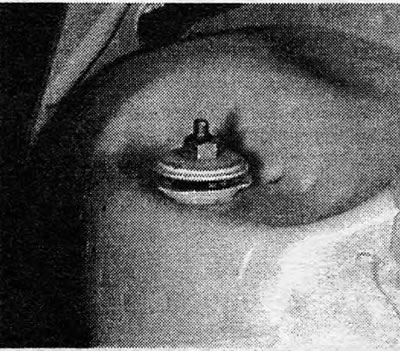
Photo 13.4A Upper support of the rear shock absorber.
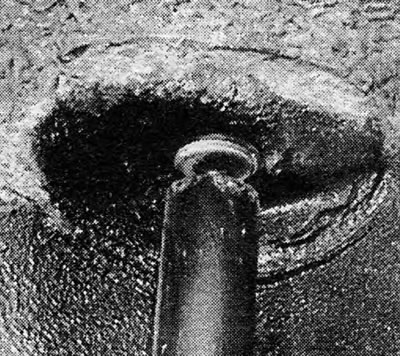
Photo 13.4A Upper support of the rear shock absorber.


Photo 13.4B Rubber gasket on the upper support of the rear shock absorber.

Photo 13.4B Rubber gasket on the upper support of the rear shock absorber.


5. Place the rear wheels of the car on the repair ramp. If it is not there, then lift and securely support the rear of the car, but be prepared to slightly compress the shock absorber by jacking up the bridge bracket (photo).
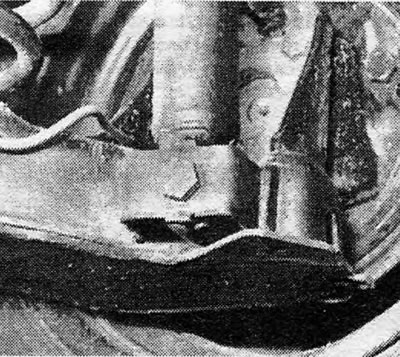


Photo 13.5 Lower support of the rear shock absorber («interior» / «hatchback»).

Photo 13.5 Lower support of the rear shock absorber ("interior" / "hatchback").


6. Disconnect the level control system coupling from the shock absorber, if installed (after the pressure is released).

7. Disconnect the lower shock absorber support from the rear axle and then remove it from the vehicle.

8. To check the shock absorber assembly, clamp it vertically in a vice so that the vice holds it by its lower bearing eye.

9. Fully extend and compress the shock absorber six or seven times. Any signs of jerky movement or lack of resistance will indicate the need for replacement.

10. Assembly is carried out in reverse order. On models equipped with a level control system, check that the pressure line is properly installed on the shock absorber. Tighten the lower mounting bolt to the specified torque value, also tighten the upper mounting nut so that the end protrudes as shown in Figure 10.16, 10.17 or 10.18.
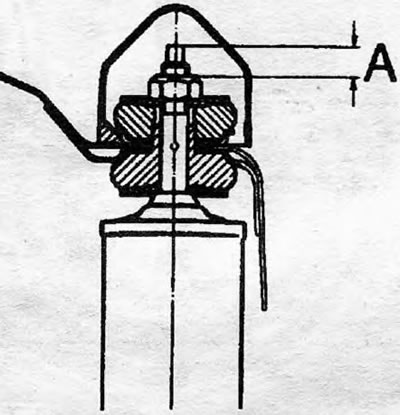
Figure 10.16. Upper support of the standard type rear shock absorber. A=9 mm (0.35 inches).
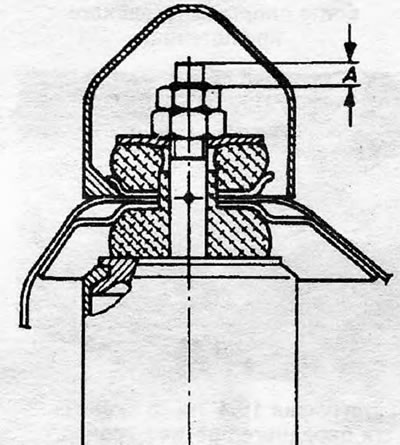
Figure 10.16. Upper support of the standard type rear shock absorber. A=9 mm (0.35 inches).


Figure 10.17. Rear shock absorber upper mount - two-nut type. A=6 mm (0.24 inches).
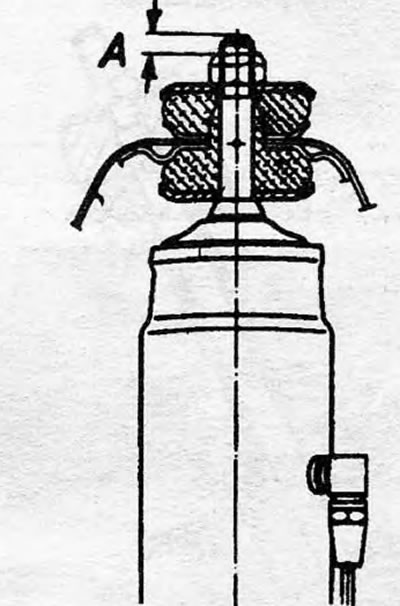
Figure 10.17. Rear shock absorber upper mount - two-nut type. A=6 mm (0.24 inches).


Figure 10.18. Rear shock absorber upper mount - load equalization type. A=6 mm (0.24 inches).

Figure 10.18. Rear shock absorber upper mount - load equalization type. A=6 mm (0.24 inches).


11. Connect the level control system hose to the shock absorber coupling where necessary, increase the pressure again and check the system for air leaks (Section 20).

Station wagon models.

12. The design of the rear suspension on station wagon models is similar to the design of other models. The main difference is in the shock absorber mounts: the shock absorbers are angled to provide more cargo space.

13. Remove the mounting nuts and bolts from the upper and lower supports, remove the gaskets and remove the shock absorber.
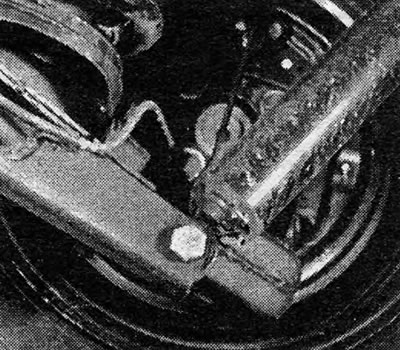


Photo 13.13A Lower support of the rear shock absorber («station wagon»).

Photo 13.13A Lower support of the rear shock absorber ("station wagon").
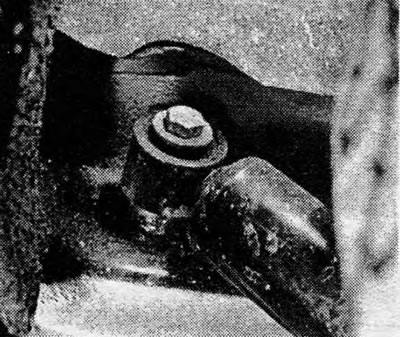

Photo 13.13B Upper support of the rear shock absorber («station wagon»)

Photo 13.13B Upper support of the rear shock absorber ("station wagon")


14. Assemble in the reverse order, tightening the fastening nuts to the specified torque value. Please note that if the top mounting pin has been sheared off due to being over-tightened, it will need to be drilled out and a new one installed.
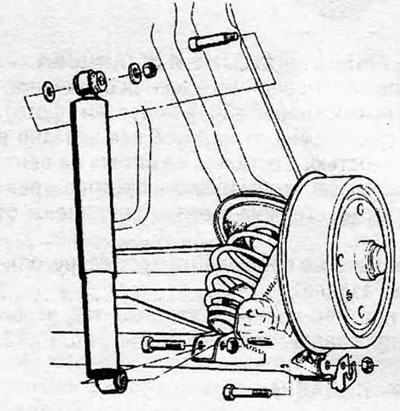
Figure 10.19. Rear shock absorber supports - «station wagon»

Figure 10.19. Rear shock absorber supports - "station wagon"


This article is available at russian, bulgarian, belarusian, ukrainian, serbian, croatian, romanian, polish, slovak, hungarian
Checking the article: Kornev Georgy

Share information:

Previous articles
Opel Ascona C: Car suspension
Next articles

Rear Hub Bearings — Replacement
Rear hub bearings — lining
Front anti-roll bar
Control Bracket Support — Removal and Installation
Control Bracket Ball Joint — Replacement
Control Bracket Bushings — Replacement
Rear anti-roll bar — removal and installation
Rear Coil Spring — Removal and Installation
Short axle rear suspension — removal and installation
Rear Axle — Removal and Installation
Flexible bushings of the closing lever — replacement
Level Control System — Description


See similar ones from other Opel car manuals:
▶ Rear shock absorber — removal, inspection and installation Opel Astra F (1991-1998, petrol)
▶ Removal and installation the rear shock absorber Opel Corsa B (1993-2000)
▶ GNE Rear Suspension Shock Absorber Replacement Opel Insignia A (2008-2017)
▶ Rear shock absorber rod — removal and installation Opel Omega A (1986-1993)
▶ Rear shock absorber — removal and installation Opel Vectra A (1988-1995, petrol)
Link to this page in different formats

Visitor comments


No comments yet


How much will 47 + 38 =


Vivaro A (2001-2014) 
  • General information
  • User manual
  • Power unit
  • Petrol engine F4R
  • Diesel engine F9Q
  • Diesel engine G9U
  • Transmission
  • Clutch and drive shafts
  • Manual gearbox
  • Chassis
  • Front suspension
  • Rear suspension
  • Brake system
  • Body
  • Exterior
  • Interior
  • Electrical equipment
  • Heating and ventilation
  • Air conditioner
  • Equipment and devices
  • Electrical diagrams
Ascona C (1981-1988) 
  • General information
  • Maintenance
  • Power unit
  • Gasoline engines
  • Diesel engines
  • Cooling system
  • Fuel and exhaust system
  • Contact ignition system
  • Contactless ignition system
  • Transmission
  • Clutch
  • Mechanical gearbox
  • Automatic gearbox
  • Drive shafts
  • Chassis
  • Steering
  • Brake system
  • Car suspension
  • Body
  • Exterior
  • Interior
  • Doors and windows
  • Electrical equipment
  • Equipment and devices
  • Power devices
  • Electrical circuits
Frontera B (1998-2004) 
  • General information
  • User manual
  • Maintenance
  • Power unit
  • Petrol engines 2.2 l
  • Petrol engines 3.2 l
  • Diesel engines 2.2 l
  • Cooling system
  • Fuel system (petrol)
  • Fuel system (diesel)
  • Ignition system
  • Transmission
  • Clutch
  • Manual gearbox MUA5C
  • Automatic gearbox 4L30E
  • Chassis
  • Suspension and axles
  • Steering
  • Brake system
  • Body
  • Exterior
  • Interior
  • Doors, locks and windows
  • Heating and air conditioning
  • Electrical equipment
  • Power devices
  • Equipment and devices
  • Lighting and signaling
  • Electrical diagrams
Frontera A (1991-1998, petrol) 
  • General information
  • Introduction to guide
  • User manual
  • Maintenance
  • Power unit
  • Engine repair
  • Lubrication system
  • Cooling system
  • Power and exhaust system
  • Engine electrics
  • Transmission
  • Clutch
  • Mechanical gearbox
  • Cardan shafts
  • Chassis
  • Brake system
  • Front suspension
  • Rear suspension
  • Steering
  • Body
  • Repair and care
  • Electrical equipment
  • Equipment and devices
  • Electrical circuits
OpelBook.ru © 2017–2026 · Mobile version · · Sitemap: EN BG BY UA RS HR RO PL SK HU · Feedback · Site search
Astra F, petrol · Astra G, petrol · Astra G · Astra H · Astra J, petrol · Corsa B · Corsa C, petrol · Corsa C · Insignia A · Kadett D · Kadett E · Omega A · Omega B · Omega B2 · Vectra A, petrol · Vectra A · Vectra B, petrol · Vectra B · Vectra C · Zafira A, petrol · Frontera A, petrol · Frontera B · Ascona C · Vivaro A ·
We want your visit to be comfortable 🤝! We use cookies 🍪 to make that happen.