


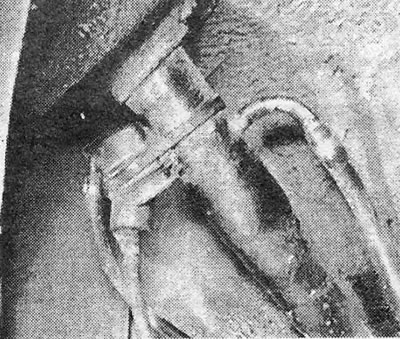
Photo 8.1A. Fuel tank ventilation chamber - early type.
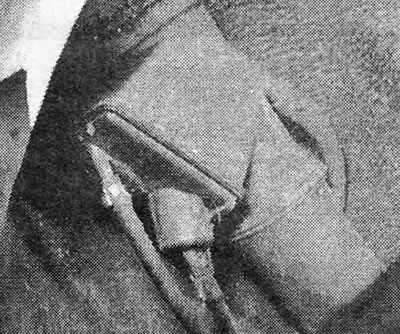
Photo 8.1B. Fuel tank ventilation chamber - the latest type.
2. The chamber consists of three separate cells connected to each other by holes.
3. If you are filling the tank to the full, please remember the following.
4. When the fuel reaches the end of the tank vent tube, the fuel pump will automatically turn off. The tank will be 95% full. A little more fuel can be added slowly over the next 30 seconds. After this, stop adding fuel, otherwise there will be no room for expansion, and some of the fuel will be lost through the vent tube when the temperature rises.
5. The ventilation chamber also acts as a housing for the fuel shut-off valve. This valve prevents fuel from leaking out of the tank through the ventilation chamber, for example, if the car overturns in an accident.
6. To remove the ventilation chamber, remove the clamps and disconnect the hoses from it.
7. Hose clamps should be loosened with a screwdriver and then discarded, as they cannot be reused. New clamps will be required for assembly.
8. To check the operation of the valve, turn the chamber over, pour some gasoline into the branch pipe "A" and check that it does not flow out of the branch pipe "B" (see figure 3.8).
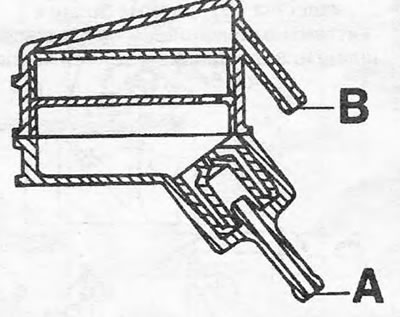
Figure 3.8. Fuel tank ventilation chamber: A. Vent line from fuel tank; B. Into the atmosphere.
9. The camera is installed in reverse order. Check that the hoses are connected correctly and secure them with new clamps.
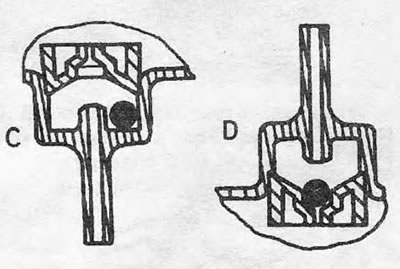
Figure 3.9. Fuel cut-off valve: C. The machine is in normal position; D. The car is overturned.
Visitor comments