


Carburetor with automatic choke
1. A carburetor very rarely requires a complete overhaul, but if such a need does arise, it seems more economical to simply replace the carburetor with a new one.
2. As a rule, the first few operations described in the following paragraphs are sufficient to clean the jets and float chamber.
3. Remove the carburetor, clean it from the outside from dirt and disconnect the vacuum hose from the vacuum choke unit.
4. Unscrew 3 screws from the automatic choke retaining ring and remove the choke unit.
5. Remove the cotter pin and disconnect the accelerator pump rod from the lever (see figure 3.24).
6. Unscrew the fuel inlet fitting and remove the mesh filter from it (see photo).
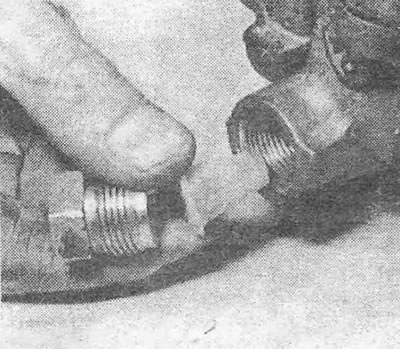
Photo 13.6. Fuel inlet fitting with mesh filter.
7. Remove the retaining ring and disconnect the air damper connecting rod from the cam (see figure 3.25).
8. Remove 3 short and 4 long bolts securing the carburetor cover (see photo).
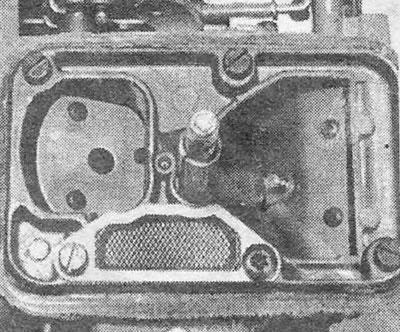
Photo 13.8. Varajet carburetor top cover.
9. Remove the cover, making sure that the gasket remains in place on the float chamber flange. Remember that the accelerator pump plunger is under spring pressure.
10. Remove the plunger and spring of the accelerator pump and carefully pry off the carburetor cover gasket (see photo). Remove the pump suction valve spring retainer (see figure 3.27).
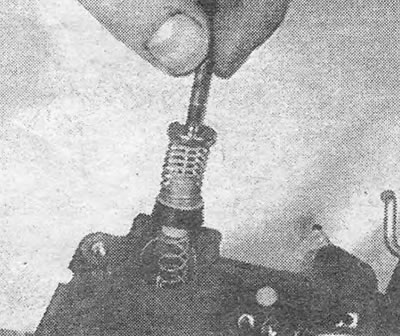
Photo 13.10. Removing the plunger and spring of the accelerator pump.
11. Remove the spring and needle of the first stage vacuum piston of the carburetor. Be careful not to bend the support bracket or the partial load system needle (see figure 3.28 and 3.29).
12. If necessary, you can remove the partial load system plunger by grasping its rod with pliers.
13. Remove the sealing part, float and needle from the float chamber and drain the fuel from the chamber (see photo).
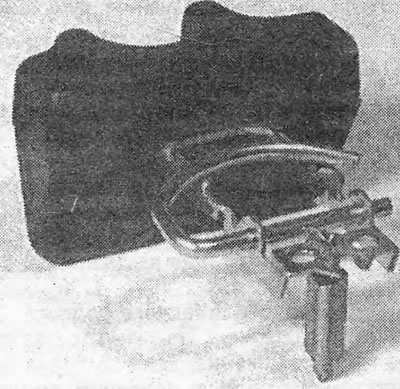
Photo 13.13. The removed float and fuel inlet valve.
14. Note the location of the jets and remove them (see figure 3.31 and 3.32).
15. Remove the 4 mounting screws and remove the throttle valve assembly (see figure 3.33).
16. Further disassembly of the carburetor is not recommended.
17. Clean all parts and replace worn or damaged ones. If the throttle valve is worn out, the entire valve assembly must be replaced. Blow out the jets and their channels with compressed air (do not try to clean them with wire under any circumstances, as you will mess up the jet calibration).
18. Obtain a carburetor repair kit containing all necessary parts, including gaskets.
19. The carburetor is assembled in reverse order. Please note the following points.
20. When assembling the accelerator pump, check the correct installation of the check ball (see figure 3.35).
21. Check the correct installation of the needle valve spring (see figure 3.36).
22. When replacing the carburetor cover, make sure that the plunger of the accelerator pump does not jam.
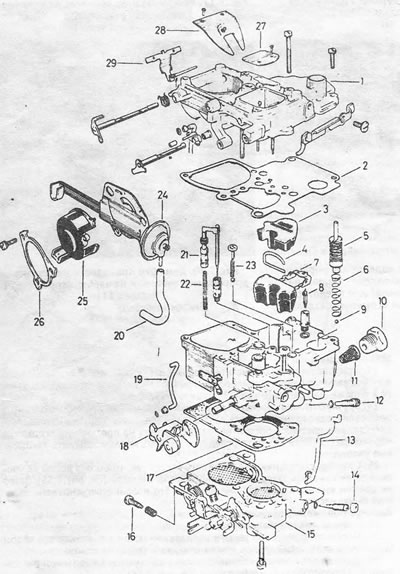
Figure 3.22. GM Varajet carburetor: 1. Lid; 2. Gasket; 3. Sealing part; 4. Float finger; 5. Accelerator pump plunger; 6. Spring; 7. Float; 8. Fuel inlet port needle valve; 9. Locking ball; 10. Fuel inlet fitting; 11. Fuel filter; 12. Bypass screw; 13. Connecting rod; 14. Quality screw; 15. Throttle valve assembly; 16. Fast idle speed screw with spring; 17. Gasket; 18. Fast idle cam; 19. Fast idle system connecting rod; 20. Vacuum hose; 21. Partial load system needle valve and piston; 22. Spring; 23. Suction valve and check ball; 24. Carburetor vacuum block; 25. Choke housing cover; 26. Lid lock; 27. Air damper (primary chamber); 28. Reflective flap (secondary chamber); 29. Full load system needle valve.
23. Check that the breather mesh is in place.
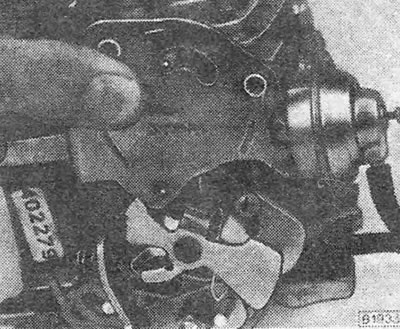
Figure 3.23. Automatic choke unit support bracket - GM Varajet carburetor
24. Check that the metal spring of the automatic choke is connected to the lever of the air damper axis (see figure 3.37).
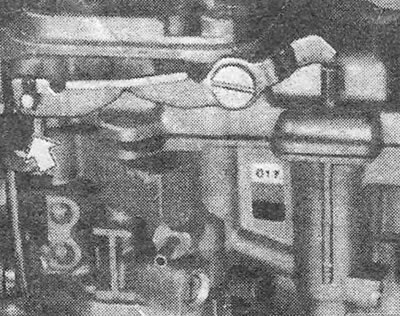
Figure 3.24. Connecting the rod to the accelerator pump lever (shown by arrow) — GM Varajet carburetor
25. Check the operation of the throttle lever. Remember that the secondary valve will not open until the primary valve is open 2/3 of its travel. The secondary throttle valve will not open until the choke valve is fully opened after the engine has reached operating temperature.
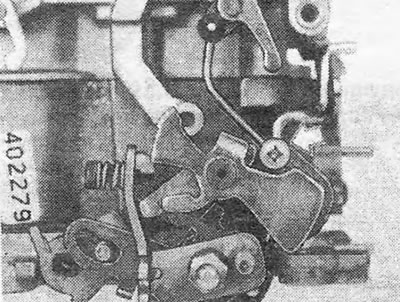
Figure 3.25. Air damper rod connection to cam - GM Varajet carburetor
26. Perform those checks and adjustments (see section 11), which can only be performed with the carburetor removed.
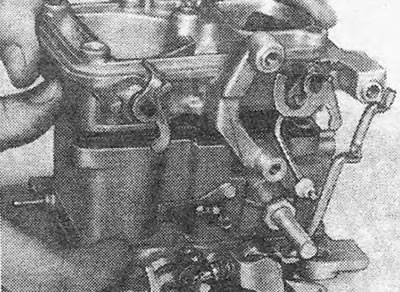
Figure 3.26. Removing the GM Varajet carburetor cover
27. After installing the carburetor on the engine, adjust the idle speed and mixture composition (cO content in exhaust) (see section 10). Perform the remaining checks and adjustments (see section 11).
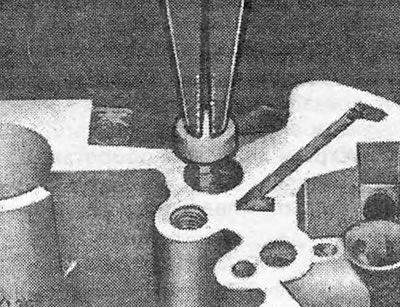
Figure 3.27. Removing the pump suction valve spring retainer - GM Varajet carburetor
Carburetor with manual choke
28. The operations are similar to those described above for a carburetor with automatic choke. Exclude only references to automatic choke parts.
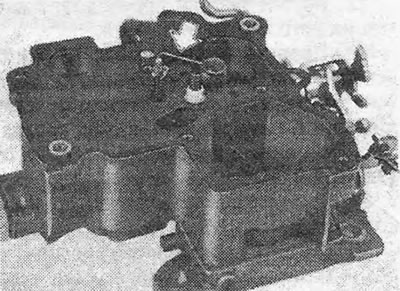
Figure 3.28. Removing the vacuum piston, spring and needle (shown by arrow) - GM carburetor
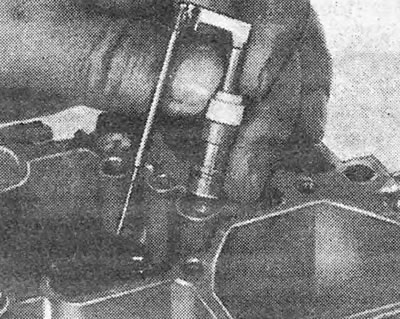
Figure 3.29. Removing the Partial Load Needle - GM Varajet Carburetor
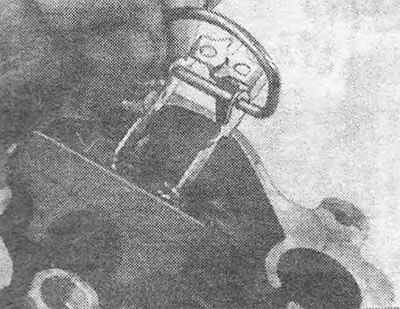
Figure 3.30. Removing the sealing part and float - GM Varajet carburetor
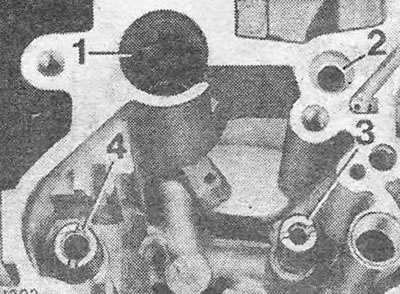
Figure 3.31. Location of jets and holes on the carburetor - GM Varajet carburetor: 1. Accelerator pump cylinder 2. Vacuum valve spring hole; 3. Main jet; 4. Fuel inlet valve seat.
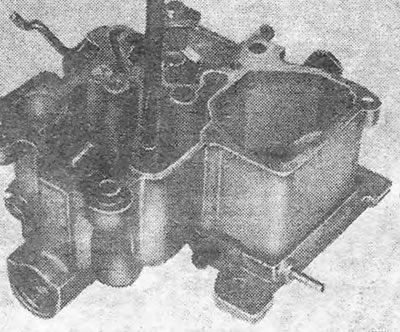
Figure 3.32. Removing the jet from the GM Varajet carburetor
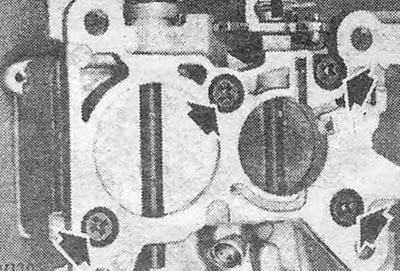
Figure 3.33. Screws securing the throttle valve assembly (shown by arrows) — GM Varajet carburetor
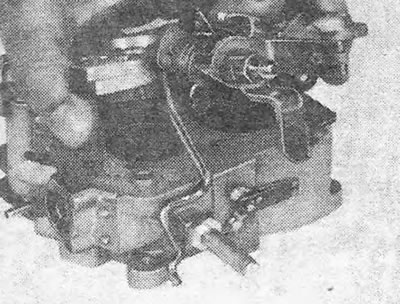
Figure 3.34. Removing the throttle assembly - GM Varajet carburetor
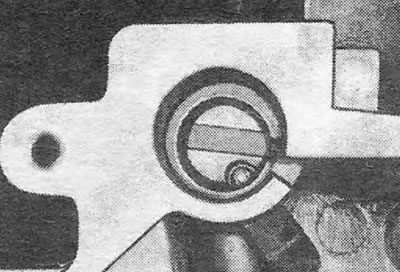
Figure 3.35. Location of the accelerator pump check ball - GM Varajet carburetor
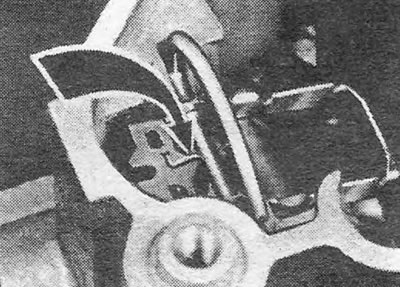
Figure 3.36. Fuel inlet valve with spring (shown by arrow) — GM Varajet carburetor
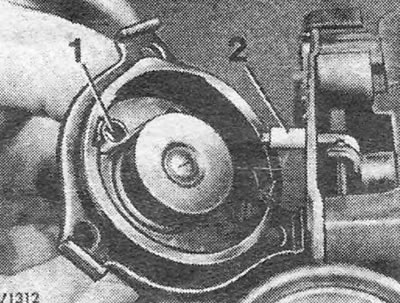
Figure 3.37. Automatic choke housing - GM Varajet carburetor: 1. Bimetallic spring; 2. Air damper axis lever.
Visitor comments