


Contents: Crankshaft and main bearings ⬇ Piston rings ⬇ Pistons/connecting rods ⬇ Oil pump ⬇ Flywheel ⬇ Cylinder head and camshaft housing ⬇
Crankshaft and main bearings
1. Check that the crankcase and crankshaft are spotlessly clean and that the oil passages are clear. If possible, blow out the passages and holes with compressed air and spray clean engine oil through them to ensure that they are not clogged.
2. Wipe clean the bearing seats in the crankcase and the bearing caps and install the upper halves of the main bearing shells into the seats.
3. Note that there is a protrusion at the rear of each bearing that must fit into a recess designed for it.
4. In the case of new liners, wipe off all traces of protective grease.
5. The central bearing also controls the axial movement of the crankshaft. Please note that all halves of the bearings located in the crankcase have lubrication holes (see photos).
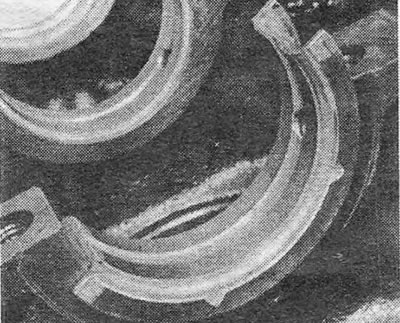
Photo 34.5A. Central main bearing shell. The thrust flanges are visible.
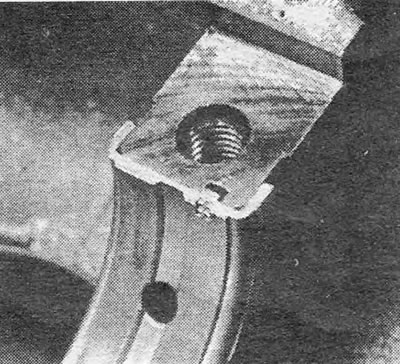
Photo 34.5B. Main bearing shell mounting groove.
6. After installing the bearing shells in the crankcase and covers, lubricate them with clean engine oil.
7. Fill the lips of the new crankshaft oil seal with grease and install it on the end of the crankshaft.
8. Carefully install the crankshaft into its place in the crankcase (see photos).
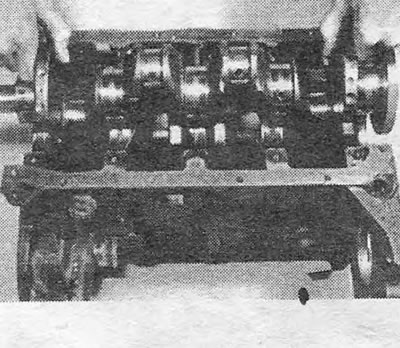
Photo 34.8A. Installing the crankshaft into place in the crankcase.
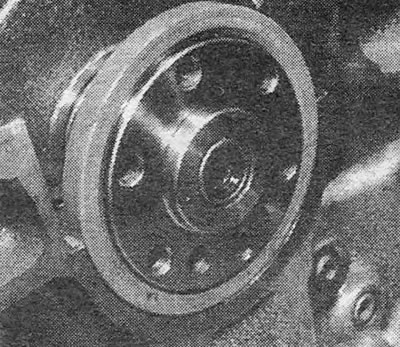
Photo 34.8B. Rear crankshaft oil seal.
9. Lubricate the crankshaft main journals and install the central and intermediate main bearing caps in place. Tighten the cover bolts to the specified torque (see photos).
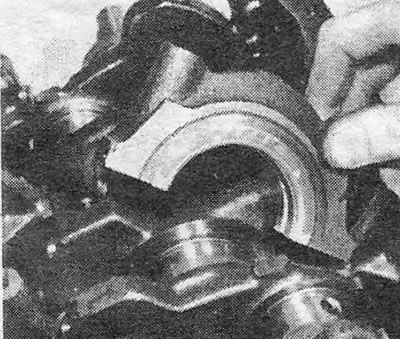
Photo 34.9A. Installing the main bearing cap.
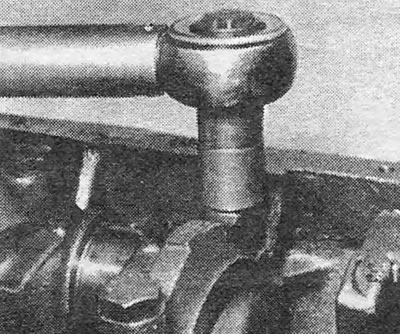
Photo 34.9B. Tightening the main bearing cap bolt.
10. Clean the grooves in the rear main bearing cap from old sealant and coat the inside surfaces of the cap with sealant that meets GM specification 15 04 200/8 983 368*. (This sealant is sold in 200 ml tubes in specialized GM stores). Fill the side grooves in the lid with room temperature vulcanizing adhesive sealant. After installing the cover in place and tightening its bolts, inject the adhesive sealant into the side grooves again to ensure that they are filled. Wipe off excess sealant (see photos).
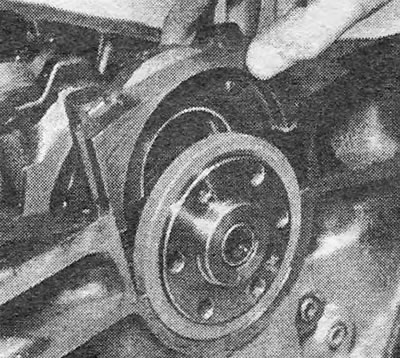
Photo 34.10A. Installing the rear main bearing cap.
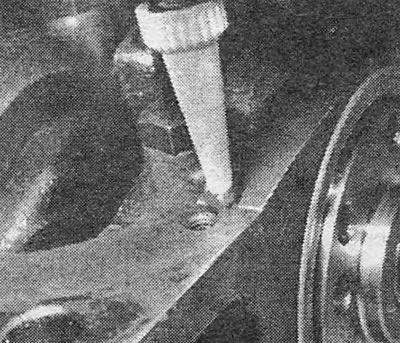
Photo 34.10B. Injecting room temperature vulcanizing adhesive/sealant into grooves in rear main bearing cap.
11. Install the front main bearing cover, lubricate the bolts with sealant and tighten them to the required torque. Check that after tightening the bolts, the bearing cover is exactly flush with the end surface of the crankcase.
12. Turn the crankshaft and check that it rotates freely without jamming or tight spots. Check that the axial movement of the crankshaft does not exceed the specified limits. If necessary, the axial displacement can be adjusted by selecting other central bearing shells. The axial movement of the crankshaft can be checked using a dial gauge or feeler gauges inserted between the flange of the central bearing shell and the surface of the crankshaft. Before starting measurements, check that the crankshaft is moved all the way to one side of the crankcase so that the widest possible gap is obtained at the measurement point (see photo).
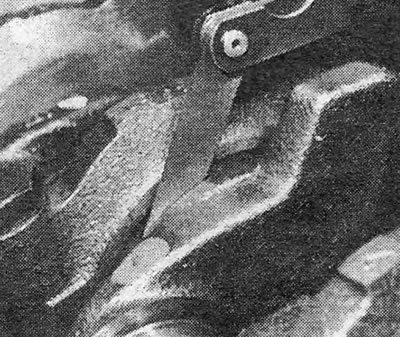
Photo 34.12. Checking the axial displacement of the crankshaft using a thickness gauge.
Piston rings
13. Check that the ring grooves are well cleaned. The rings are placed on the piston through the bottom.
14. To prevent the rings from sliding into empty grooves when installing them, place feeler gauges or thin steel strips under them. The rings are installed in the reverse order of their removal.
15. When installing piston rings, strictly follow the manufacturer's instructions. There are several types of compression and oil control rings, and each type has its own method for proper installation.
16. After installing the rings, check that the compression rings can freely compress and expand in their grooves. Some types of multi-section oil control rings have a tight fit in their grooves and therefore the above does not apply to them. Rotate the rings so that the locks of adjacent rings are spaced relative to each other by approximately 180 degrees. If the oil scraper ring consists of 2 sections, between which a spacer ring is placed, the lock of the upper section should be offset relative to the lock of the spacer ring by 25-50 mm to the left, and the lock of the lower section - by the same distance to the right.
Pistons/connecting rods
17. As stated earlier, disconnecting the pistons and connecting rods requires special equipment and must be performed by a specialist.
18. Before starting installation, lay out the pistons with connecting rods and bearing caps in the order of their installation in the cylinders.
19. Wipe the cylinders and lubricate them with oil. Lubricate the piston rings well.
20. Install the ring compressor on the first piston so that the compressor base rests on the cylinder block. Check that the marks on the connecting rod are facing the right way (this is extremely important because there are no corresponding marks on the piston bottoms indicating the direction).
22. Using a wooden hammer handle, drive the piston with the connecting rod into the cylinder. The compressor will remain on the cylinder block.
23. Bring the lower head of the connecting rod to the crank pin. Install and lubricate the bearing shells, install the cover and tighten the bolts (see photo).
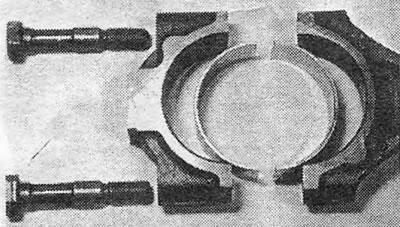
Photo 34.23A. Details of the lower connecting rod head.
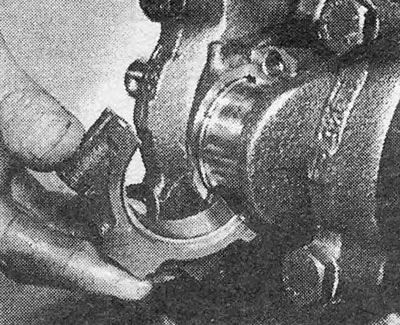
Photo 34.23B. Installing the connecting rod bearing cap.
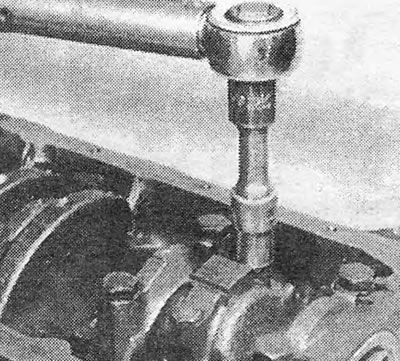
Photo 34.23C. Tightening the connecting rod bearing cap bolt.
Oil pump
24. Before installing the oil pump, care must be taken to ensure that the seal lips are not damaged and do not bend back on the flange at the front end of the crankshaft. To do this, lubricate the jaws with grease and wrap the end of the camshaft with adhesive tape so that a smooth cone is formed. Install a new gasket (see photos).
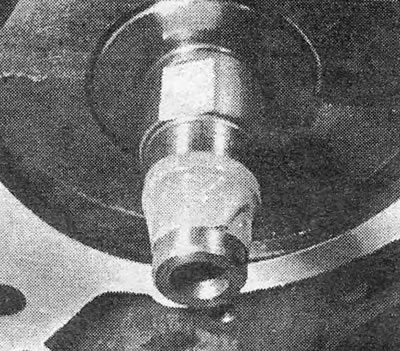
Photo 34.24A. The end of the crankshaft is wrapped to cover the flange.
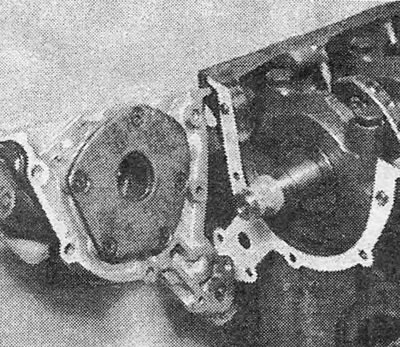
Photo 34.24B. Installing the oil pump and gasket.
25. Install the pump in place and remove the adhesive tape.
26. Tighten the bolts to the required torque.
27. Install the oil pickup tube and mesh filter in place (see photos).
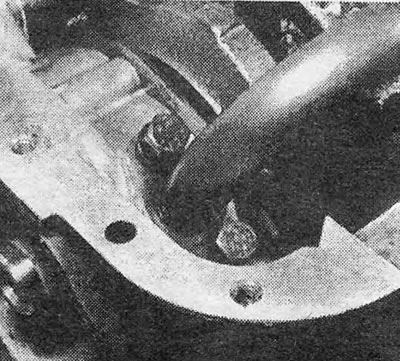
Photo 34.27A. Connecting flange of the oil intake pipe.
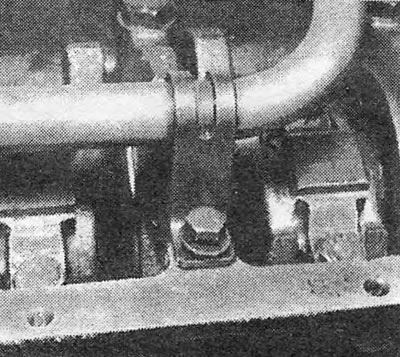
Photo 34.27B. Oil pickup tube support bracket.
28. Install the tray in place (see photo).
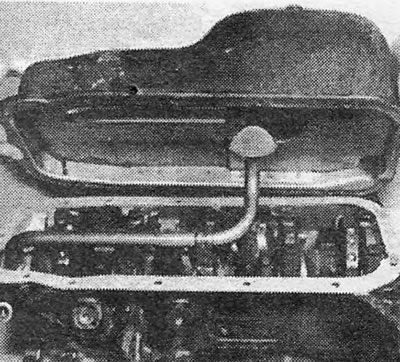
Photo 34.28. Installing the tray with gasket in place.
29. Install the woodruff key on the front end of the crankshaft, turn the engine over and support it on the pan (see photo).
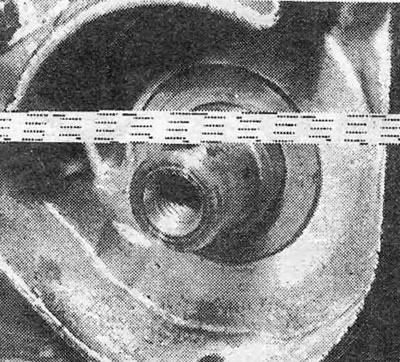
Photo 34.29. Installing a woodruff key on the crankshaft.
Flywheel
30. Bring the flywheel to the rear mounting flange of the crankshaft and align the holes for the bolts, which are offset so that the flywheel can only be installed in one position (see photo).
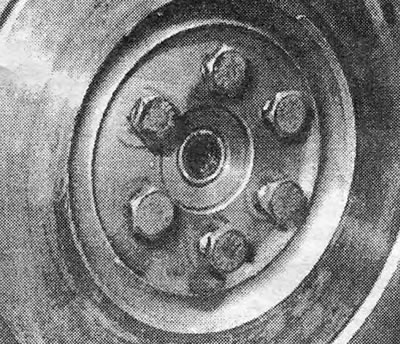
Photo 34.30. Correctly installed flywheel.
31. Apply thread locking compound to the bolts, install them in place and tighten by hand.
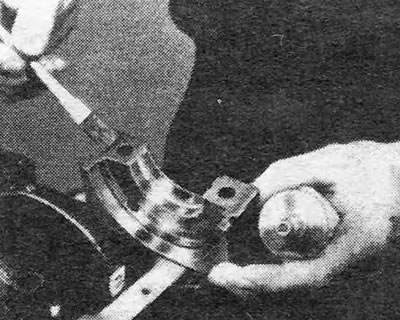
Figure 1.31. Applying sealant to the inner surfaces of the main bearing cap
32. Lock the flywheel ring gear and tighten the bolts to the required torque (see photo).
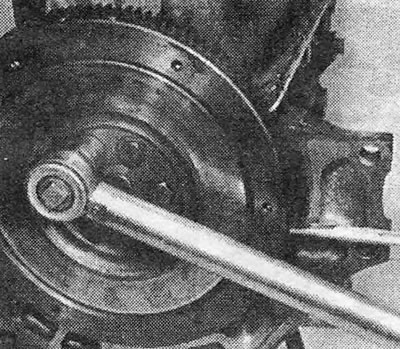
Photo 34.32. Tightening one of the flywheel bolts.
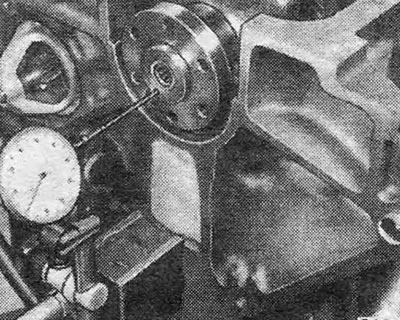
Figure 1.32. Checking the axial displacement of the crankshaft using a dial gauge
Cylinder head and camshaft housing
33. Check that all valves and springs are clean and that there is no soot or valve grinding compound left in the guide bushings and cylinder head bores.
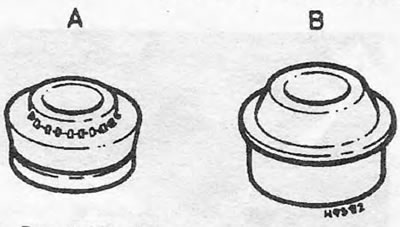
Figure 1.33. Different types of valve stem seals: A. Early type; B. The last type.
34. Begin assembly from one end of the cylinder head as follows.
35. Insert the valve into the guide bushing, making sure that the valve stem is well lubricated. Valves must be installed in the seats to which they were lapped (see photo).
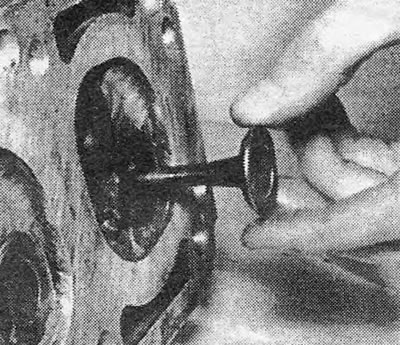
Photo 34.35. Installing the valve in the cylinder head.
36. In case of intake valve, install spring seat, in case of exhaust valve - valve rotator (see photos).
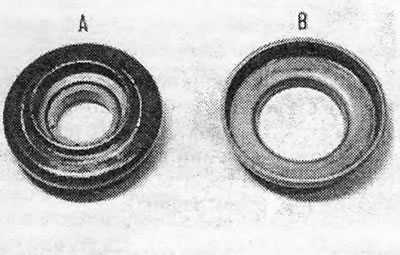
Photo 34.36A. Exhaust valve rotator (A) and inlet valve spring seat (B).
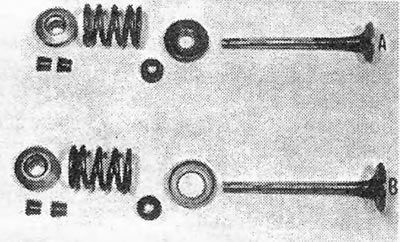
Photo 34.36B. Valve details: A Exhaust valve; In the intake valve.
37. While holding the valve in place, carefully push the valve stem seal onto the guide bushing until the flange on the stem fits into the groove on the bushing. Do not push the cap further than the groove, as it will no longer be able to perform its functions. Please note that the 1.6 and 1.8 engines have modified oil seals. Figure 1.33 shows the old and new types of oil scraper caps. New caps can be installed on older engines.
38. Install the valve spring in place.
39. Install the spring plate in place (see photo).
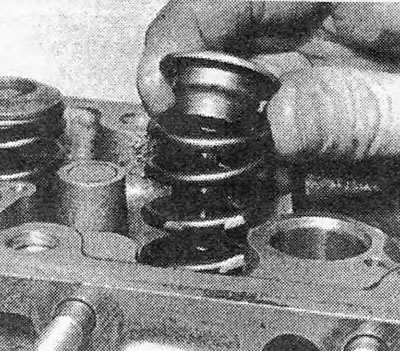
Photo 34.39. Installing the valve spring plate.
40. Place the end of the spring compressor on the plate and its screw head on the valve head and tighten the screw so that the spring drops below the groove on the valve stem. Apply a small amount of grease to the groove.
41. Place the crackers in the groove with the narrow edge towards the spring. The grease will keep the crackers in place (see photo).
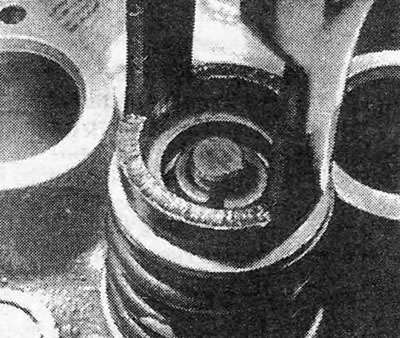
Photo 34.41. Installing crackers.
42. Slowly release the pressure from the spring, making sure that the crackers do not come out of the groove. When the spring is fully released, the top edges of the crackers should be aligned with each other. Once all the valves are in place, gently tap the top of each spring with a soft-faced hammer to firmly seat the crackers in place.
43. Lubricate the hydraulic tappets and insert them into their channels in the cylinder head (see photo). If you are installing new tappets, you should first soak them in clean engine oil and squeeze them by hand several times to charge them.
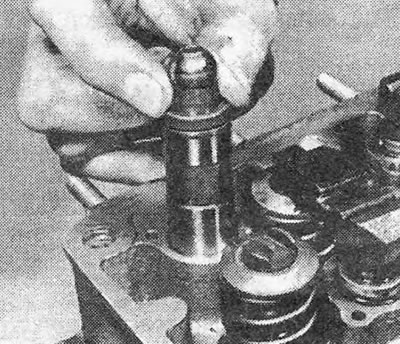
Photo 34.43. Installing the hydraulic tappet into the cylinder head.
44. Install the rockers with thrust pads in place. Install new spark plugs (see photos).
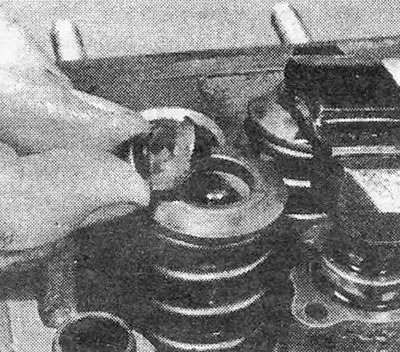
Photo 34.44A. Installing the thrust pad.
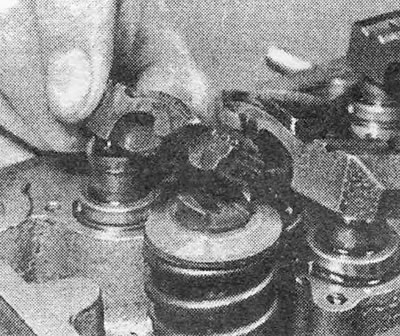
Photo 34.44B. Installing the rocker.
45. Install the thermostat with a new sealing ring. Install the thermostat housing cover and tighten the bolts (see photo).
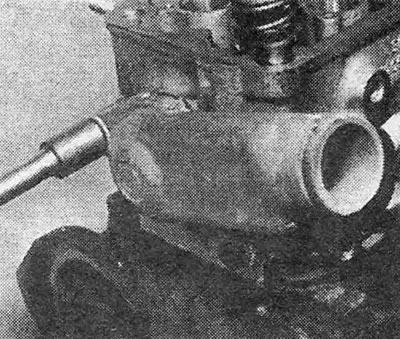
Photo 34.45. Tightening one of the thermostat housing bolts.
46. On 1.3 engines, install the rear camshaft belt shield onto the front end of the camshaft cover (see photo).
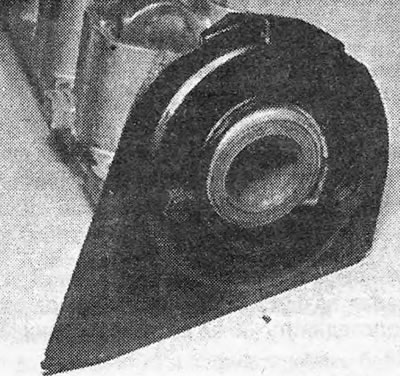
Photo 34.46. Rear camshaft belt shield (engine 1.3).
[Text was copied from the portal: OPELBOOK.ru]
47. Lubricate the camshaft bearings and carefully insert the camshaft into its housing (see photo).
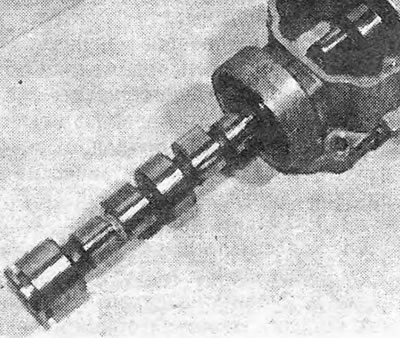
Photo 34.47. Insert the camshaft.
48. Install the locking plate with the locking screws and check the axial movement of the camshaft (see photos).
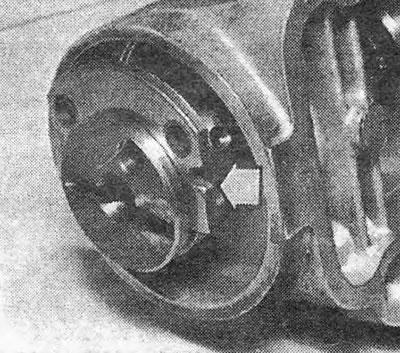
Photo 34.48A. Camshaft retaining plate (shown by arrow).
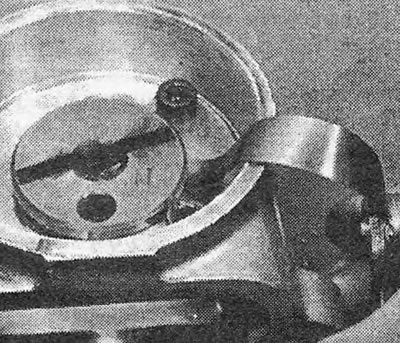
Photo 34.48B. Checking the axial movement of the camshaft.
49. Install the new seal into the holder (if this has not been done yet) and, holding the camshaft with an open-end wrench, install the camshaft sprocket, secure it with a bolt and tighten the bolt to the required torque (see photo).
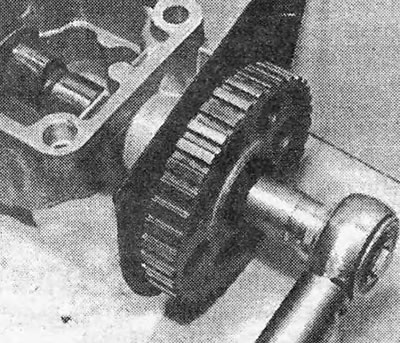
Photo 34.49. Tightening the camshaft sprocket bolt.
50. Thoroughly clean the sealing surfaces of the cylinder head and block.
51. Install a new cylinder head gasket on the block with the OBEN inscription facing up (see photo).
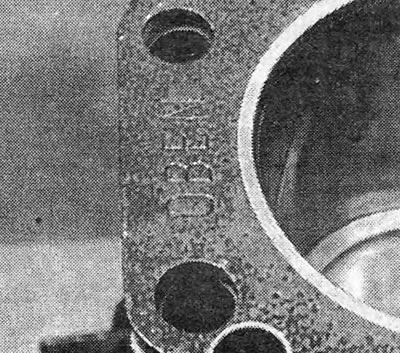
Photo 34.51. Inscription on the upper surface of the cylinder head gasket.
52. Install the head on the block so that the mounting pins enter the holes intended for them (see photo).
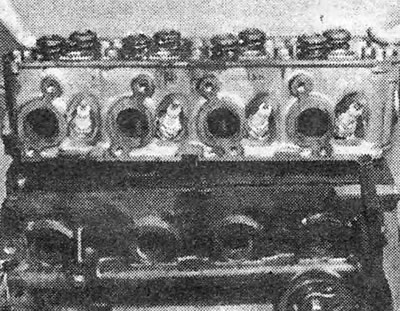
Photo 34.52. Installing the head on the cylinder block.
53. Apply adhesive to the sealing flanges of the cylinder head and camshaft housing and install the camshaft housing on the cylinder head (the timing marks on the camshaft sprocket must align) (see photo).
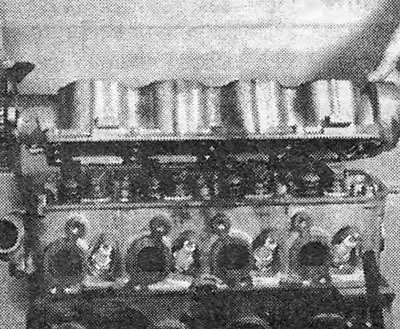
Photo 34.53. Installing the camshaft housing.
54. Install the cylinder head bolts and tighten them in the sequence shown in Figure 1.3. The bolts are tightened in 5 stages (see Specifications and section 8).
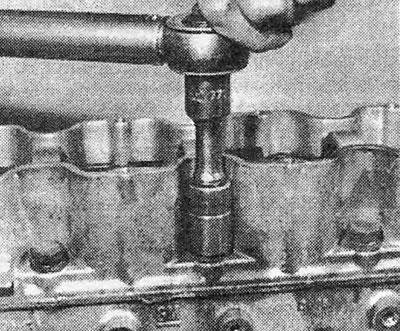
Photo 34.54. Tightening the camshaft housing bolts
55. Install the water pump (see chapter 2) and tighten the bolts holding it by hand (final tightening is done after installing the camshaft belt) (see photo).
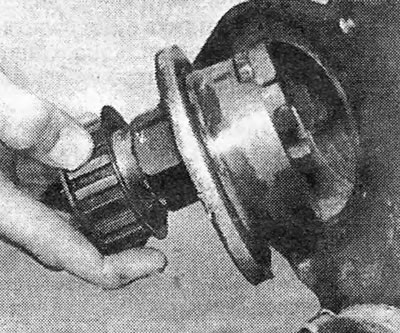
Photo 34.55. Installing the water pump.
56. Secure the rear camshaft belt shield with bolts (see photo).
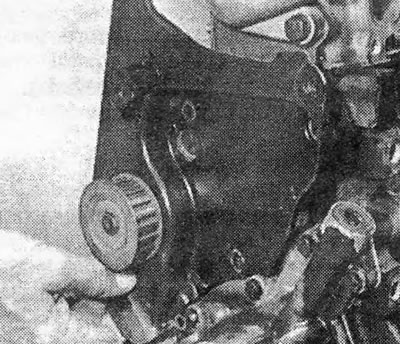
Photo 34.56. Installing the rear camshaft belt shield.
57. Install the sprocket onto the front end of the crankshaft so that the raised key on the sprocket fits into the slot on the crankshaft pulley (see photo).
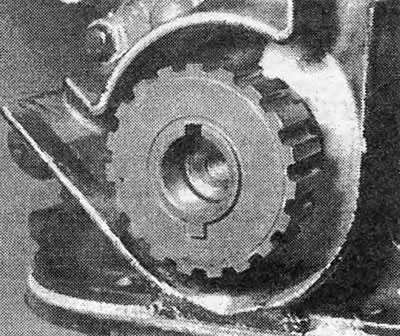
Photo 34.57. Camshaft sprocket.
58. Secure the sprocket with a bolt and tighten it to the required torque (see Specifications).
59. Install and tension the camshaft belt (see section 5).
60. Install the camshaft belt cover. On early models, the top cover screw can only be tightened after the camshaft housing cover with a new gasket has been installed (see photos).
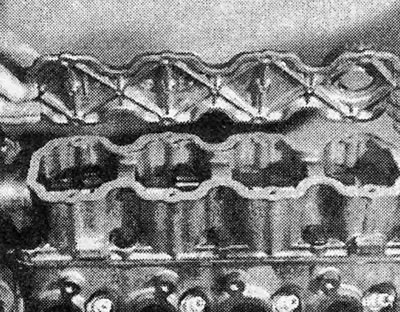
Photo 34.60A. Installing the camshaft housing cover.
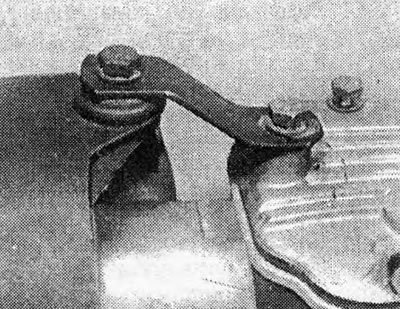
Photo 34.60B. Connecting link between the camshaft belt cover and the camshaft housing cover.
61. Connect the intake and exhaust manifolds with new gaskets and tighten the bolts. Don't forget to secure the engine lifting eyes (see photos).
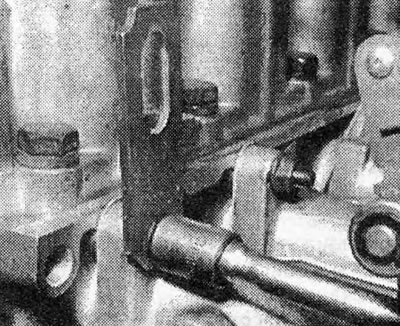
Photo 34.61A. Engine lifting eye resting on intake manifold stud.
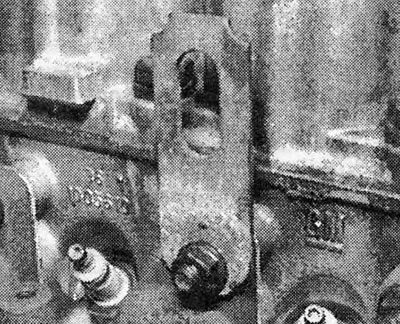
Photo 34.61B. Engine lifting eye, standing on the exhaust manifold stud.
62. Connect the hot air manifold to the exhaust manifold (engines 1.3 and 1.6) (see photo).
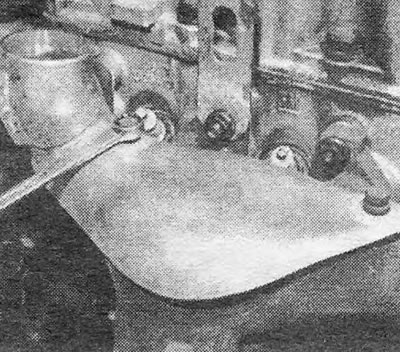
Photo 34.62. Exhaust manifold hot air collector.
63. Install engine accessories (see the relevant chapters). The alternator and its drive belt are not installed until the engine is in the vehicle, as otherwise access to the right rear engine mount will be difficult. The starter is also installed only on an engine that has already been installed on the car.
64. On 1.8 engines, connect the injection system (see chapter 3).
Visitor comments