


Contents: Throttle body ⬇ Throttle switch ⬇ Fuel pump ⬇ Fuel filter ⬇ Fuel injectors ⬇ Air flow sensor ⬇ Control unit (lE Jetronic system) ⬇ Coolant temperature sensor ⬇ Auxiliary air valve ⬇ Command relay ⬇ Fuel pressure regulator ⬇
1. The main components of the injection system cannot be repaired. If the system starts to malfunction, it is best to leave the troubleshooting to a specialist, as it requires specialized equipment. However, if you know exactly which part of the system is faulty, you can replace it yourself.
Throttle body
2. Disconnect the distributor vacuum hose from the throttle body (see photo).
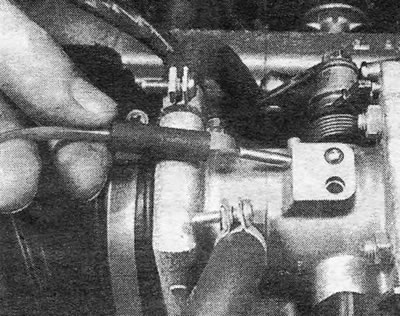
Photo 25.2. Disconnect the distributor vacuum hose from the throttle body.
3. Disconnect the crankcase ventilation hose (see photo).
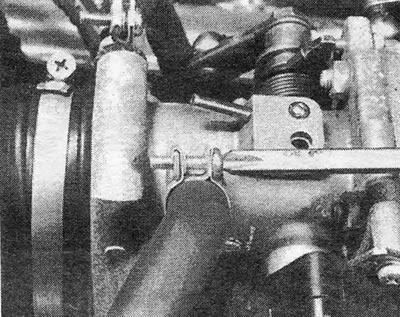
Photo 25.3. Disconnect the crankcase ventilation hose from the throttle body.
4. Disconnect the cooling system hoses from the throttle body (see photo) and squeeze them. If this work is carried out on a hot engine, you should first relieve the pressure from the system by carefully unscrewing the expansion tank cap.
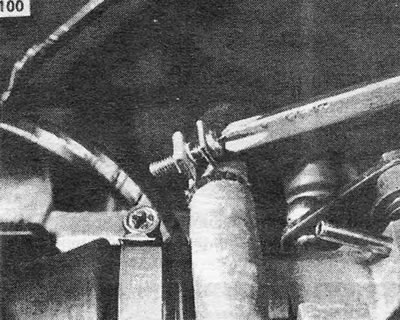
Photo 25.4. Disconnect the cooling system hoses from the throttle body. The second hose is located at the bottom.
5. Loosen the clamps and disconnect the flexible tube connecting the throttle body to the air flow sensor (see photo).
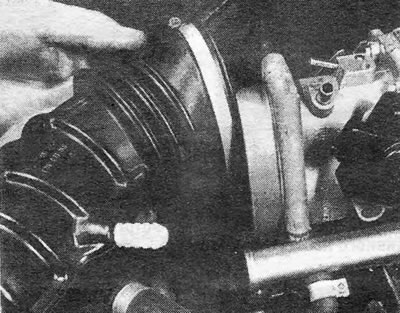
Photo 25.5. Disconnect the flexible tube from the throttle body.
6. Disconnect the electrical plug from the throttle switch.
7. If you are only going to remove the throttle body, disconnect the throttle actuator at the ball joint, remove the mounting nuts, and remove the throttle body from the intake manifold.
8. If you want to remove the throttle body together with the intake manifold, you must also disconnect the following.
9. Disconnect the brake servo cylinder hose and auxiliary air hose from the manifold (see photo).
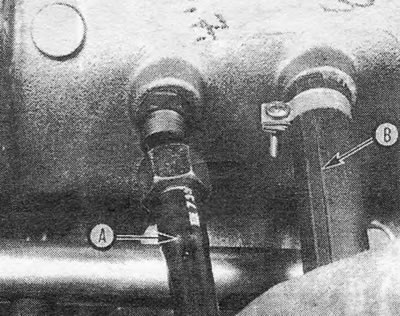
Photo 25.9. Disconnect the brake servo hose (A) and the auxiliary air hose (B).
10. Disconnect the fuel hoses from the distribution pipe branches and plug them. Note that the hose with the white band is located closest to the generator. When connecting these hoses, you must ensure that they are installed correctly.
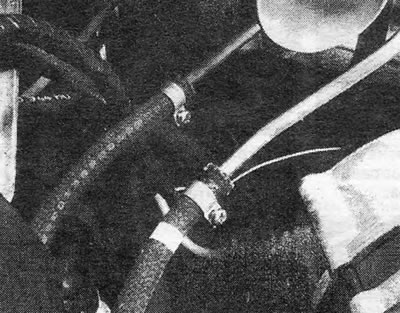
Photo 25.10. Fuel hoses in the engine compartment.
11. Disconnect wiring, electrical plugs and ground wires. This includes:
- a. air flow sensor plug
- b. coolant temperature sensor
- v. fuel injectors
- g. throttle switch
- d. auxiliary air valve
- e. cam cover ground screw.
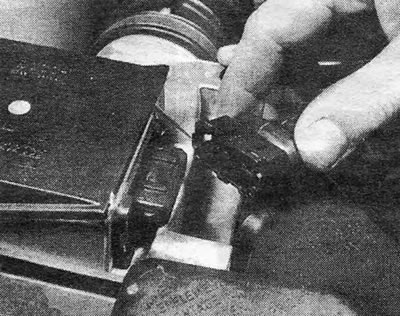
Photo 25.11A. Disconnecting the plug from the air flow sensor.
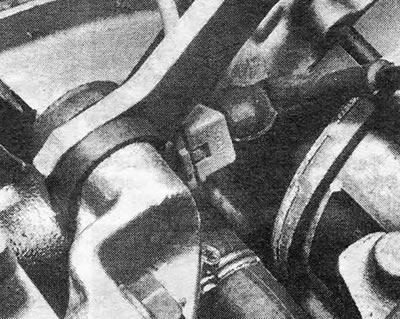
Photo 25.11B. Location of the coolant temperature sensor plug.
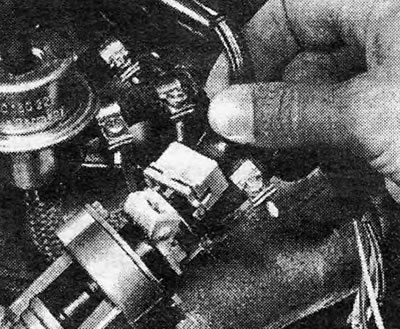
Photo 25.11C. Disconnecting the plug from the fuel injector.
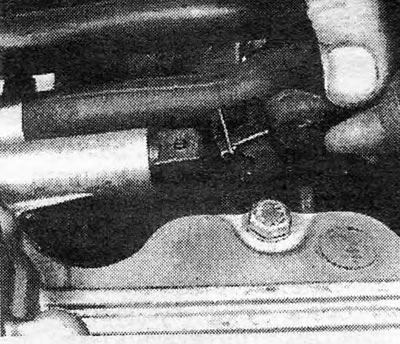
Photo 25.11D. Disconnecting the fork from the auxiliary air valve.
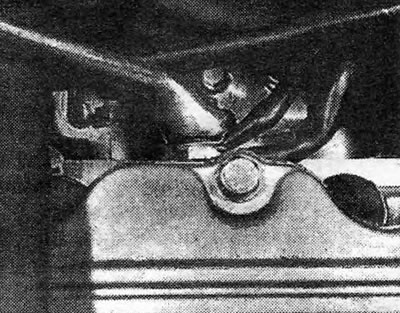
Photo 25.11E. Cam cover grounding point.
12. Disconnect the throttle cable from the throttle body. The ball joint at the end of the cable is secured with a spring clamp. The end of the outer cable is secured to its bracket using an E-shaped clamp that fits into a groove at the end of the cable. This system allows you to adjust the tension of the cable (see photos).
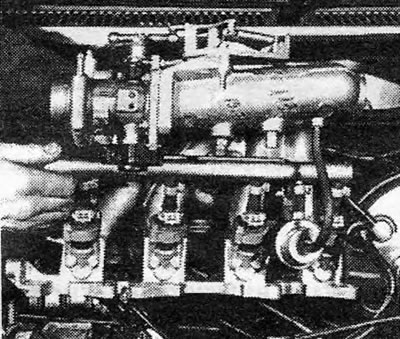
Photo 25.12A. Removing the throttle body together with the intake manifold.
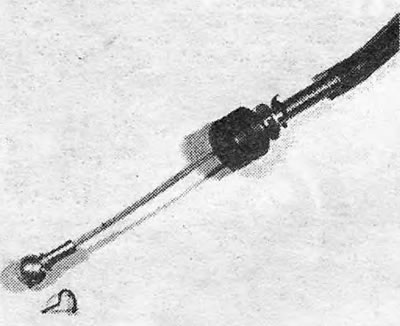
Photo 25.12B. Throttle cable end from engine side.
13. Unscrew the nuts securing the intake manifold. The lower nuts are difficult to reach, so a small socket or open-end wrench will help.
14. Remove the throttle body together with the intake manifold. Tear off the manifold flange gasket - it must be replaced with a new one during assembly (see photos).
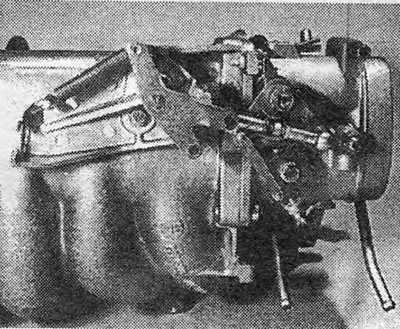
Photo 25.14A. Throttle body. The throttle actuator is visible.
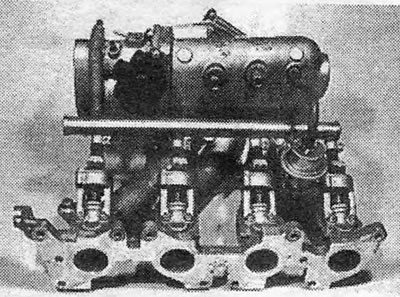
Photo 25.14B. Throttle body and intake manifold removed.
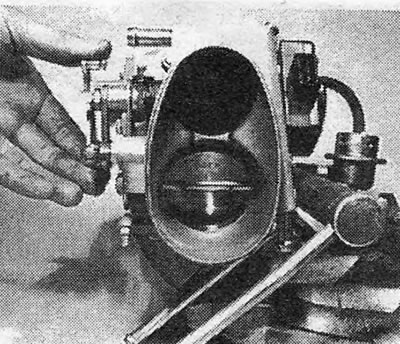
Photo 25.14C. Throttle body. The throttle valves are visible.
15. Installation of the throttle body is carried out in the reverse order. Be careful when connecting the wiring: injector No. 4 is the closest to the flywheel housing.
Throttle switch
16. Disconnect the 3-pole plug from the switch (see photo).
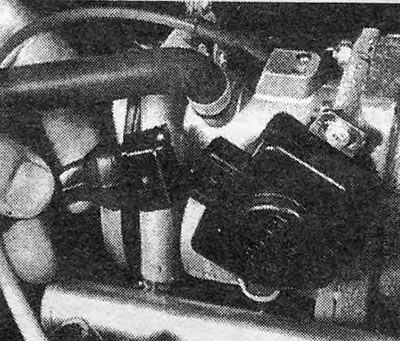
Photo 25.16. Disconnecting the plug from the throttle switch.
17. Remove the 2 mounting screws and remove the switch from the throttle shaft.
18. The switch is installed in the reverse order. Adjust the switch as indicated in section 24.
Fuel pump
19. The fuel pump is located at the rear of the fuel tank on the right side (see photo). Before removing the pump or related parts, the negative battery cable must be disconnected.
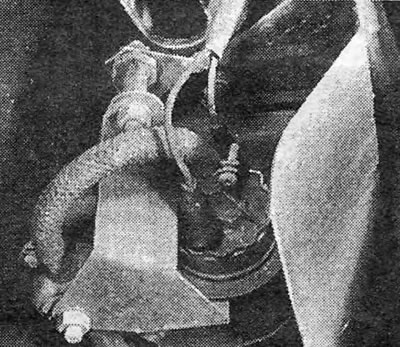
Photo 25.19. Location of the fuel pump.
20. Pinch the fuel hoses on both sides of the pump to prevent fuel leakage when disconnecting them. Disconnect the hoses.
21. Loosen the pump mounting clamp screws and remove the pump from its rubber casing. While removing the pump, disconnect the electrical plug from it (see photos).
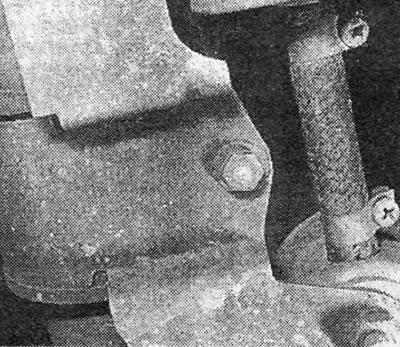
Photo 25.21A. Fuel pump mounting bolt.
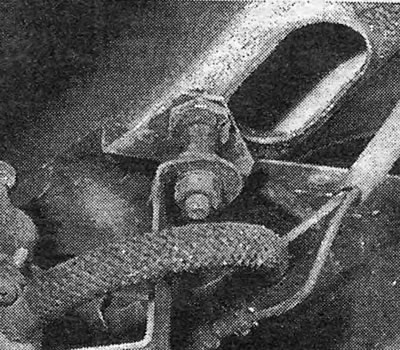
Photo 25.21B. Bolt securing fuel pump and damper membrane.
22. Alternatively, you can remove the pump together with the filter and the damper membrane, if you first unscrew the mounting bracket nuts and pull the unit out of its rubber mounts.
Fuel filter
23. The fuel filter is located next to the fuel pump (see photo).
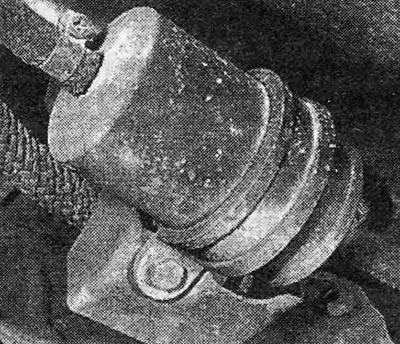
Photo 25.23. Fuel filter. The fasteners and the hose connection point are visible.
24. Clamp the fuel hoses to prevent fuel leakage when disconnecting them. Disconnect the hoses and remove the filter.
25. Installing the filter is done in reverse order. Observe the "AUS" (outward) mark indicating the direction of fuel flow. If desired, the damper membrane, mounted on the same bracket, between the pump and the filter, can be removed in a similar manner (see photos).
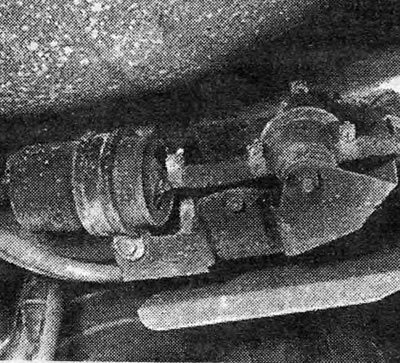
Photo 25.25A. Location of the fuel filter and damper membrane.
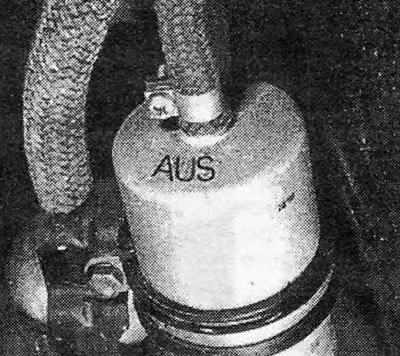
Photo 25.25B. Mark on the filter indicating the direction of fuel flow.
Fuel injectors
26. Check that the engine is cold (to eliminate the possibility of fuel ignition).
27. Loosen the hose clamps and pull the injector hoses off the distribution pipe connections (see photo). Try to collect any spilled fuel if possible.
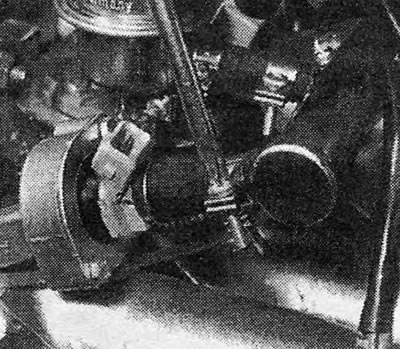
Photo 25.27. Loosen the hose clamp securing it to the distribution pipe.
28. Disconnect the plug from the desired injector.
29. Loosen the mounting bolts and pull the injector out of the holder, being careful not to damage the needle valve (see photo).
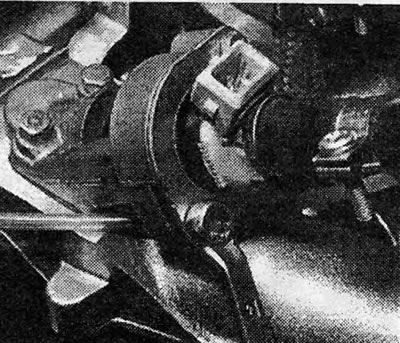
Photo 25.29. Removing the fuel injector.
30. Installation of the injectors is carried out in the reverse order. Replace the O-rings if their condition is questionable.
Air flow sensor
31. The air flow sensor is located between the air cleaner and the throttle body.
32. Disconnect the electrical plug from the sensor. Loosen the clamp and disconnect the rubber tube (see photo).
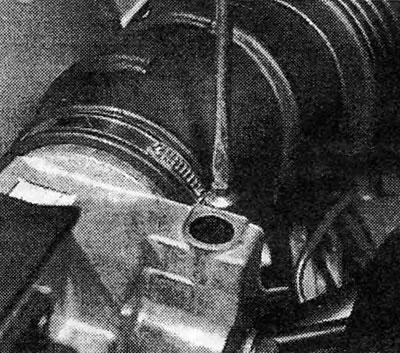
Photo 25.32. Disconnect the rubber tube from the air flow sensor.
33. Loosen the fork clamps and remove the air flow sensor together with the upper part of the air cleaner.
34. Loosen the bolts and remove the sensor from the air cleaner housing (see photos).
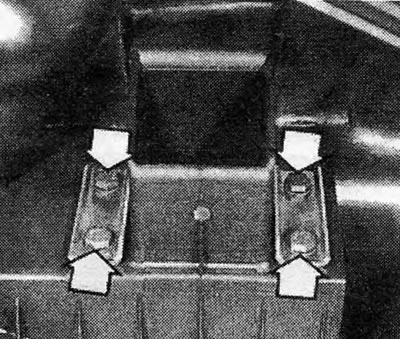
Photo 25.34. Bolts securing the air flow sensor (shown by arrows).
35. Check that the sensor flap moves freely without jerking or sticking.
Control unit (lE Jetronic system)
36. The control unit is located on the side of the front footwell.
37. Remove the trim panel on the side of the footwell (passenger seat) (see photos).
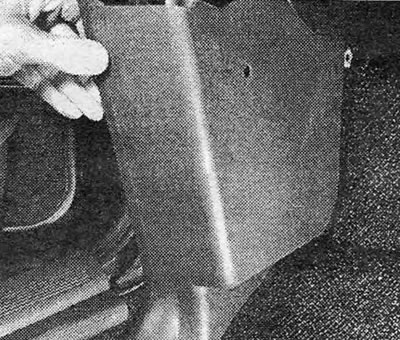
Photo 25.37A. Remove the side panel of the footwell in front of the passenger seat...
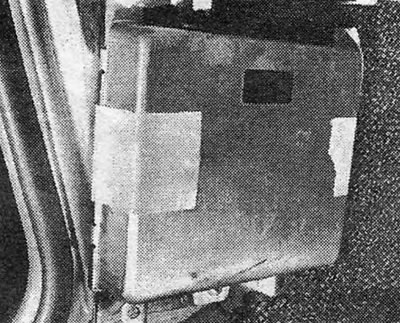
Photo 25.37V....in order to gain access to the LE Jetronic system control unit.
38. Push the spring clip aside and disconnect the electrical plug from the unit.
39. Unscrew 3 screws and remove the control unit.
Coolant temperature sensor
40. This sensor, located next to the generator, is additional and is installed on models with an injection fuel system (see figure 3.57).
41. Partially drain the coolant (3 liters should be enough).
42. Disconnect the electrical wiring and unscrew the sensor.
43. The sensor is installed in the reverse order.
44. Add coolant to the system and bleed it (see chapter 2).
Auxiliary air valve
45. This valve is located on the side surface of the camshaft housing.
46. Disconnect the electrical plug from the valve (see photo).
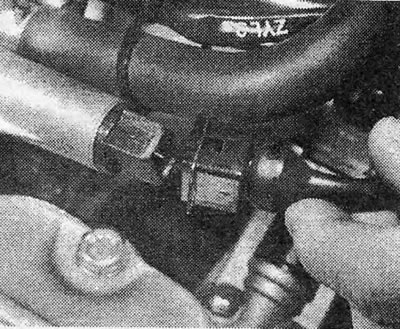
Photo 25.46. Disconnect the plug from the auxiliary air valve.
47. Disconnect the hoses. Unscrew the 2 mounting bolts and remove the valve.
48. The valve's serviceability can be checked by monitoring the operation of the shut-off plate. When the valve is cold, the plate should be open; when it is hot, (connect the valve to a 12V battery) — closed.
49. The valve is installed in the reverse order.
Command relay
50. This relay is located on the front mudguard cup (see photo).
51. Loosen the mounting bolt, disconnect the electrical plug and remove the relay (see photo).
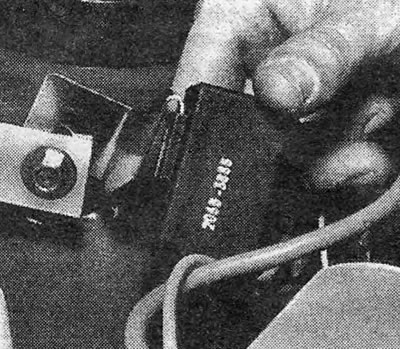
Photo 25.51A. Unscrew the command relay mounting bolt...
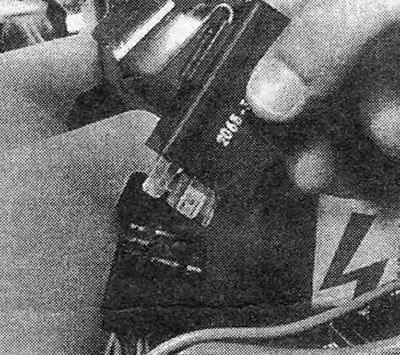
Photo 25.51V... and disconnect the electrical plug from the relay.
52. The relay is installed in the reverse order.
Fuel pressure regulator
53. The fuel pressure regulator is located between injectors 3 and 4 (see photo).
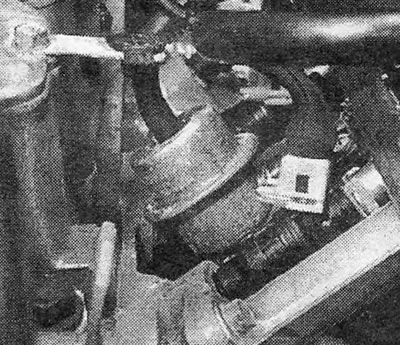
Photo 25.53. Pressure regulator.
54. Clamp the fuel hoses to prevent fuel leakage.
55. Disconnect the fuel hoses and vacuum hose from the pressure regulator.
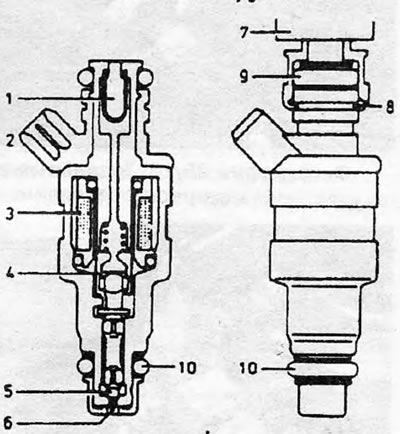
Figure 3.55. Fuel injector (sectional view):1. Mesh filter; 2. Electrical connector; 3. Solenoid coil; 4. Solenoid plunger; 5. Injector nozzle needle; 6. Distribution axis; 7. Connecting the line from the fuel distributor; 8. Fuse holder; 9. Upper sealing ring; 10. Lower sealing ring.
56. The regulator is installed in the reverse order.
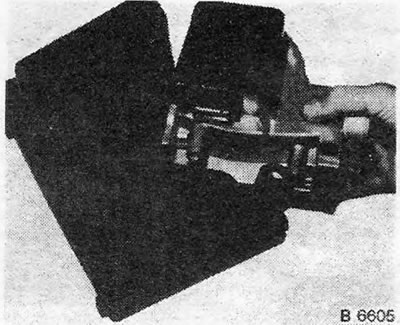
Figure 3.56. Removing the air flow sensor - LE Jetronic system
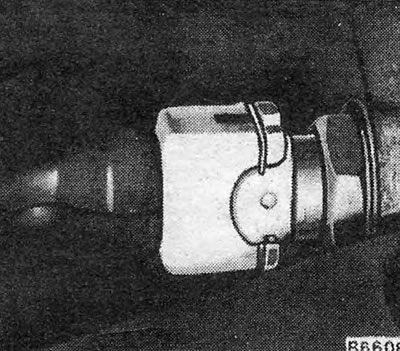
Figure 3.57. Coolant temperature sensor
Visitor comments