


Contents: Crankshaft ⬇ Connecting rod and main bearing…⬇ Cylinders ⬇ Connecting rods ⬇ Pistons and piston rings ⬇ Flywheel ⬇ Camshaft ⬇ Timing belt of camshaft ⬇ Valve lifters, rockers and thrust…⬇ Cylinder block and plugs ⬇
Crankshaft
1. Inspect the connecting rod and main journals of the crankshaft for wear and scratches and measure them in several places using a micrometer. If the journals are heavily worn or their shape differs from cylindrical (for tolerance limits see. in the Specifications), the crankshaft must be bored.
2. Wear of the connecting rod journals and connecting rod bearings is usually accompanied by a distinct metallic knock, especially noticeable at low speeds, and some loss of oil pressure.
3. Wear of the main journals and bearings is accompanied by strong vibration and noise, which gradually increase as the engine speed increases, and, as in the previous case, some loss of oil pressure.
4. Crankshaft boring must be performed by a specialist who will select liners of the required repair size.
Connecting rod and main bearing shells
5. Inspect the connecting rod and main bearing shells for general wear, abrasion, pitting and scratches. Bearings should be matte grey in colour. In the case of lead-indium bearings, the slightest traces of copper indicate severe wear and the need to replace the bearings. We strongly recommend that any major engine overhaul requires replacement of bearings, regardless of their condition.
b. Commercially available bearing repair sizes are designed for specific crankshaft dimensions after boring. In practice, the bearing sizes are slightly larger than those indicated, since the working clearance was taken into account in advance during their manufacture.
7. The dimensions of the main and connecting rod bearings are indicated on the reverse side of the liners. Standard size bearings are marked "STD" or ".00", while repair size bearings indicate how much the size has been reduced from the standard (e.g. "0.020 u/s"). This marking is only found on bearings intended for replacement. There are no markings on the bearings that were originally installed on the machine.
Cylinders
8. Cylinders should be inspected for loss of shape, abrasion and scratches. Inspection should begin from the top of the cylinders. If there are ridges corresponding to the top point of the piston stroke, this indicates wear of the cylinders. Signs of excessive wear of the cylinders and piston rings are increased oil consumption and a blue tint to the exhaust gases.
9. Measure the inside diameter of the cylinders just below the ridges and compare it with the diameter at the bottom of the cylinders, not subject to wear. If you don't have an inside micrometer or dial gauge, you can use a piston with the rings removed and measure the clearance between the rings and the cylinder walls at various locations using a feeler gauge. If the cylinder wear exceeds the permissible limits (see Specifications), the cylinders need to be bored. In this case, the following points should be kept in mind:
- a. The pistons and cylinders are carefully matched to each other during the machine's production process. The actual diameter of the piston is indicated by numbers on its bottom. The same numbers stamped on the crankcase indicate the cylinder bore diameter.
- b. After boring the cylinders, their diameter should be very carefully measured and pistons of a repair size selected that would provide the required clearance between the piston and the cylinder.
- c. When selecting pistons, their diameter is measured along the lower part of the skirt.
10. If wear is close to the maximum permissible limit, special new piston rings can be selected to partially compensate for the wear.
Connecting rods
11. Inspect the connecting rod bearing caps to see if they have ever been filed down in an attempt to remove wear. If traces of wear are found, the defective connecting rods should be replaced.
12. Visually inspect the connecting rods for straightness and, if in doubt, give them to a specialist for testing using instruments.
13. The piston pins have a fixed fit in the upper heads of the connecting rods. As mentioned earlier, disconnecting the pistons and connecting rods can only be done by a specialist.
Pistons and piston rings
14. If you are not going to replace the pistons and/or piston rings, you should remove the rings from the pistons. The top ring should be loosened enough to allow insertion of 3 metal strips or 0.38 mm feeler gauges under it and pull the ring off the piston along these strips, which will prevent scratching or damaging the piston.
15. Repeat this procedure for the second and third rings.
16. Mark the rings or arrange them in order to avoid confusion during installation. The top ring can be installed on either side, and the second ring on the top surface has the inscription "TOP".
17. Inspect the pistons for cracks, damage in the groove area and wear.
18. Clean the ring grooves with a piece of old piston ring, being careful not to scratch the pistons or cut yourself, as piston rings have sharp edges (see photo).
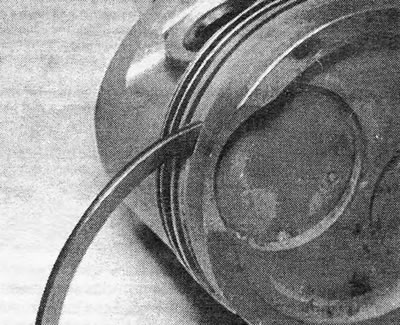
Photo 32.18. Cleaning the piston ring groove.
19. Check the rings in their cylinders. To do this, lower the ring into the bottom (unworn) part of a cylinder (to ensure that the ring runs without distortion, you can press it into the cylinder with a piston). Measure the ring lock and check if it is outside the acceptable limits (see Specifications). If the lock size is too large, the rings should be replaced. If the ring grooves are significantly worn, it may be necessary to replace the pistons.
20. New pistons are usually supplied with piston rings. If you are only changing the rings, you should contact a specialist who will adjust the pistons to fit the new rings.
21. When installing new rings (or new pistons with rings) in old cylinders the top ring should have a recess for the existing ridge (or the comb must be removed).
22. Check the size of the locks of the new rings (see paragraph 19). If the ring is too tight in its groove, it can be sharpened using a whetstone or carborundum sandpaper. If the lock is too small, you can slightly file down the ends of the ring.
23. New pistons are selected from among the available repair sizes after measuring the cylinder diameters (see paragraph 9). When installing new piston rings, remove varnish-like deposits from the cylinder walls using sandpaper or a honing head mounted on an electric drill. When using sandpaper, remove the plaque with cross-shaped movements at an angle of 60 degrees to the axis of the cylinder.
Flywheel
24. If the flywheel ring gear teeth are severely worn or damaged, the ring gear should be replaced.
25. Drill or saw a hole in the old crown at the base of two teeth (be careful not to damage the flywheel). Split the crown above the drilled hole with a chisel (this should be done with protective glasses). Separate the crown from the flywheel and remove it.
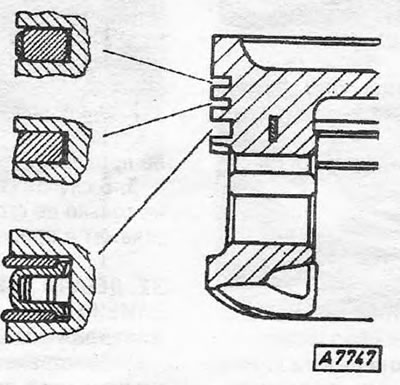
Figure 1.25. Piston ring installation diagram
26. Heat the new crown in a furnace or flame to 180-230°C. Be careful not to overheat the crown, as it may lose its hardening.
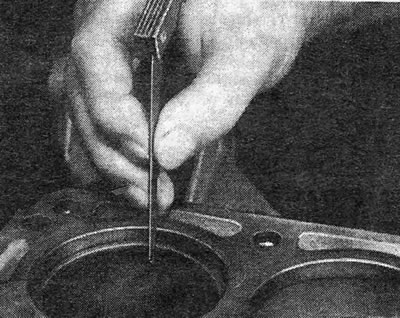
Figure 1.26. Checking the piston ring lock size
27. Install the ring gear on the flywheel, carefully hammer it into place and leave to cool. Shrinkage during cooling will ensure a secure, fixed fit of the crown.
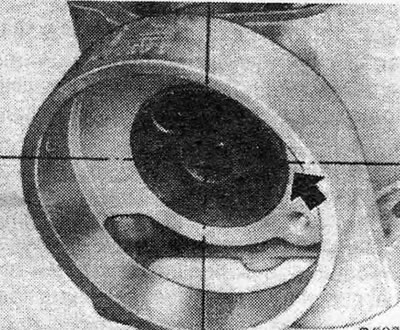
Figure 1.27. Point where to drill a hole in the camshaft housing - 1.3 engine
28. If the flywheel surface that contacts the driven disk has scratches or small hairline cracks that are caused by overheating, the flywheel can be subjected to surface treatment (if its thickness does not decrease beyond the permissible limits). If surface treatment is not possible, the flywheel should be replaced.
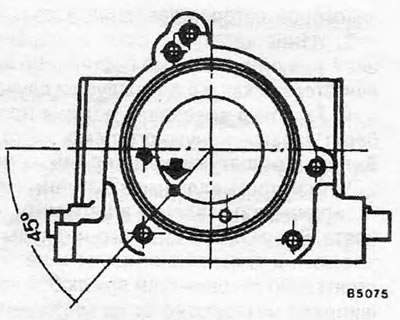
Figure 1.28. Point where to drill a hole in the camshaft housing - 1.6 engine
29. If the needle bearing located in the center of the crankshaft flange wears out, it should be filled with grease and a rod of similar diameter should be driven inside. Due to the resulting hydraulic pressure, the bearing itself will come out of the socket. When installing a new bearing, make sure that it fits with the chamfered surface facing inward. On engines with numbers greater than 14089444, the crankshaft no longer has a needle bearing. Leading disk (automatic transmission).
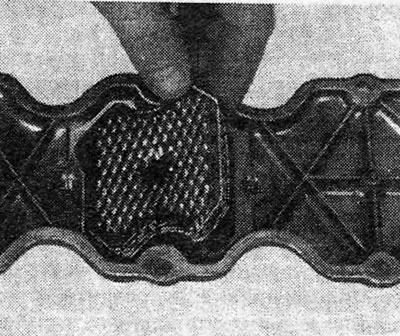
Figure 1.29. Filter in the camshaft housing cover - engines 1.6, 1.8 and 2.0
Original source is on the website [OpelBook.ru]
30. If the starter ring gear on the drive disk needs to be replaced, the driven disk assembly will have to be replaced.
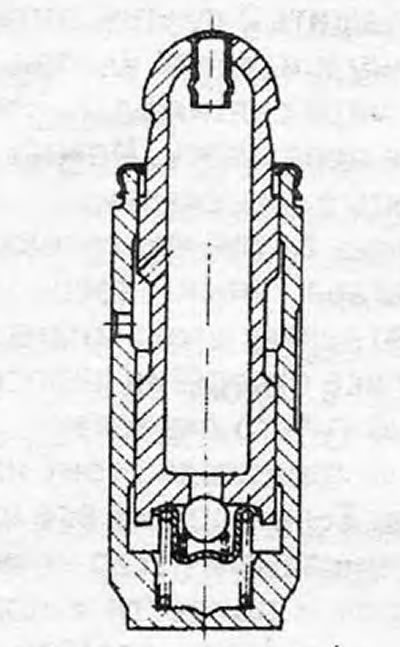
Figure 1.30. Hydraulic pusher (section)
Camshaft
31. With the camshaft removed, inspect its bearings for obvious wear and pitting. If defects are found, the camshaft housing will most likely have to be replaced.
32. There should be no signs of wear on the camshaft journals or cam contours. If there are obvious defects, replace the camshaft. When replacing the camshaft on older models with a 1.3 or 1.6 engine, it will be necessary to modify the camshaft housing in a certain way to improve the lubrication system. To do this, temporarily install the old camshaft in its place in the crankcase without the locking plate. Punch a hole in the crankcase at a point on the circumference of the camshaft journal and use a 3.0 mm diameter drill to drill a hole 16.0 mm deep (no more under any circumstances) (see figure 1.27 and 1.28).
33. The locking plate must not show any signs of wear or grooves. In any case, check the axial movement of the camshaft and, if necessary, install a new plate.
34. Whenever the engine is overhauled, the front camshaft housing oil seal must be replaced. On 1.6 and 1.8 engines, the camshaft housing cover has a filter that should be removed, thoroughly washed in kerosene, allowed to dry and reinstalled (see figure 1.29).
Timing belt of camshaft
35. Carefully inspect the belt for cracks, abrasions and deformation of the teeth. If there are obvious defects, replace the belt.
36. If the belt has been used for more than 48,000 km, it is recommended to replace it regardless of its condition.
37. If you are not going to change the belt, then before removing it, you should note the direction of its movement. It is even recommended to mark the teeth on the sprockets that were engaged with the belt before removing it. This will prevent the belt from increasing in noise during operation after its reinstallation.
Valve lifters, rockers and thrust pads
38. If the hydraulic tappet is defective in any way, it must be replaced. For information on disassembling and cleaning the tappets, see. v chapter 13, Section 3.
39. Inspect the rockers and thrust pads for wear and grooves. Replace defective parts.
Cylinder block and plugs
40. Thoroughly clean the unit outside and inside. Check the plugs for signs of corrosion. If the engine has a high mileage, it is recommended to replace the plugs regardless of their condition.
41. To remove the old plug, drill through it, insert a suitable rod and, using it as a lever, pull out the plug.
42. Clean the hole thoroughly, coat the edges of the new plug with sealant and install it in place, making sure that it does not become deformed. Use aluminum-coated plugs whenever possible.
Visitor comments