


2. Check the thickness of the brake pad friction linings (see photo).
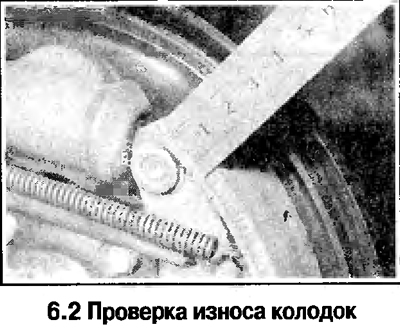
3. If the thickness of the friction lining of the shoe is equal to or less than the maximum, then replace the shoes as a set on the axle. The shoes are also changed if they are oiled or wear unevenly.
4. The further procedure for removing the pads is illustrated in the photo.
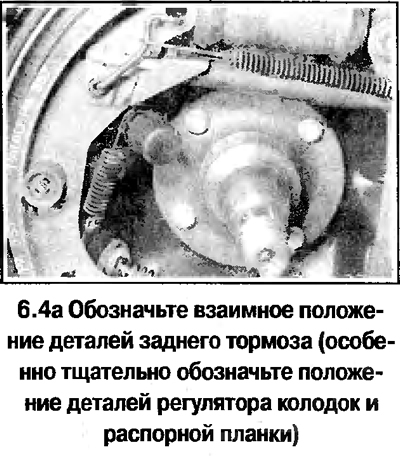
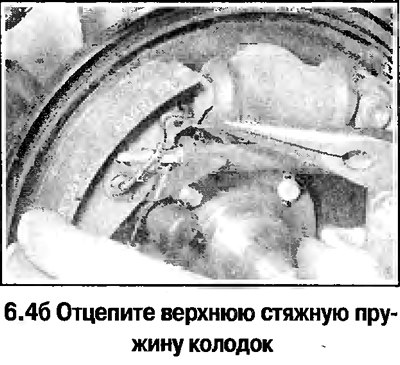
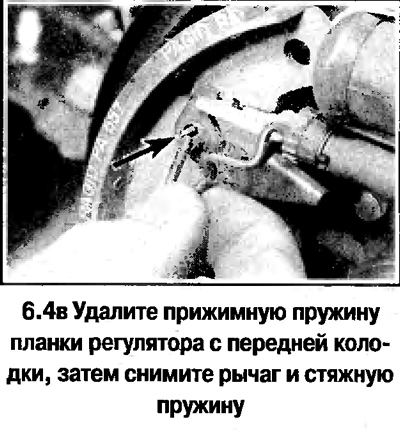
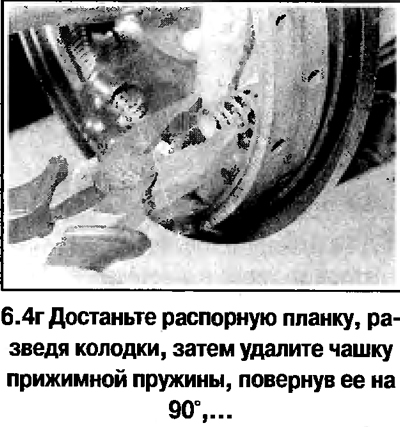
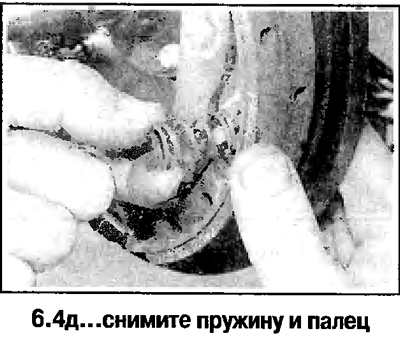
5. Remove the front and then the rear pads.
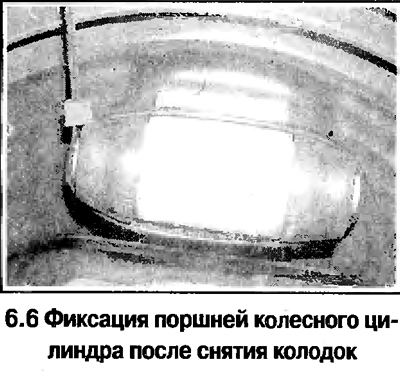
6. Secure the wheel cylinder pistons with a clamping strap (see photo).
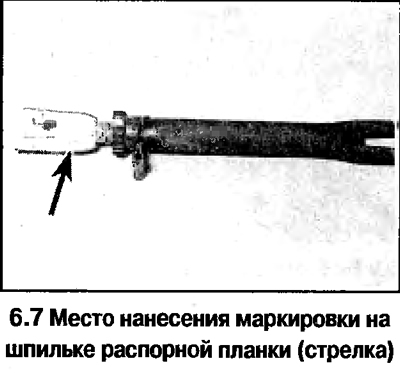
7. When disassembling the brakes of both wheels at the same time, it should be taken into account that the brake adjuster spacer has L and R markings, indicating belonging to the left and right wheels respectively, the other parts have color markings - black for the left brake and silver for the right (see photo).
8. Disassemble the regulator bar and clean it. Lubricate the regulator parts with silicone grease.
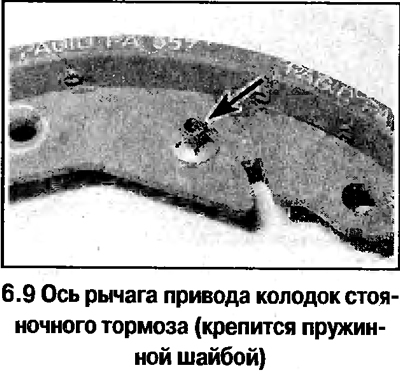
9. If the pads are to be changed, it should be taken into account that on some vehicles the pad drive lever is not supplied as spare parts together with the pads. In this case, it should be re-installed on the new pads by removing the spring washer or drilling out the riveted axle (see photo).
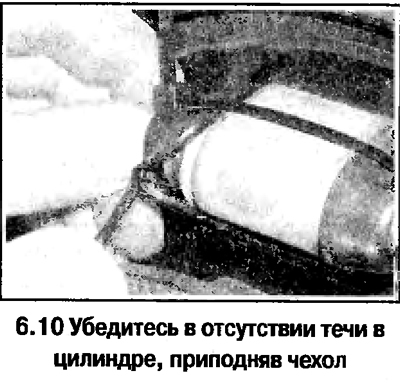
10. Check the condition of the rubber boots of the wheel cylinder. Lift the boot and make sure there are no leaks in the cylinder (see photo). If necessary, disassemble the cylinder and replace the seals.
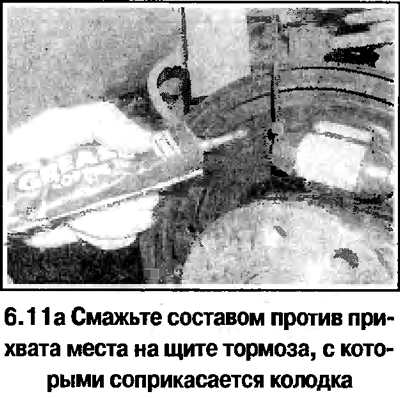
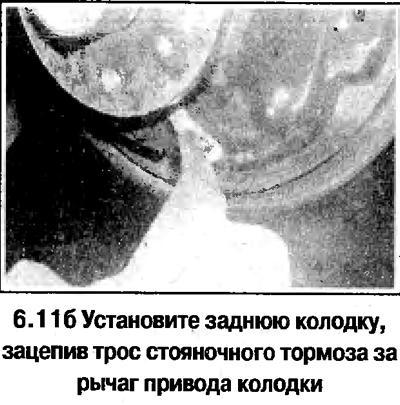
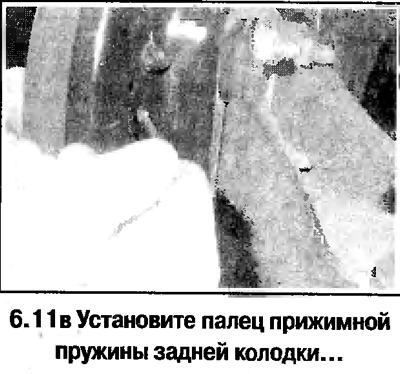
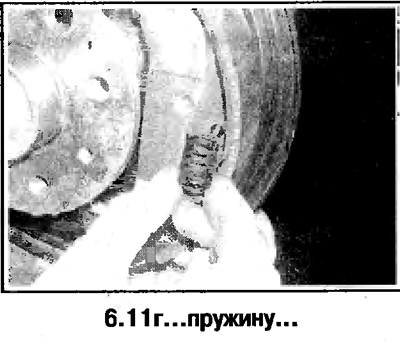
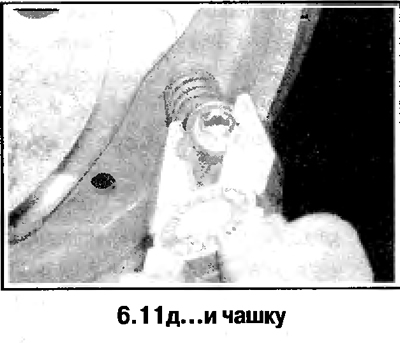
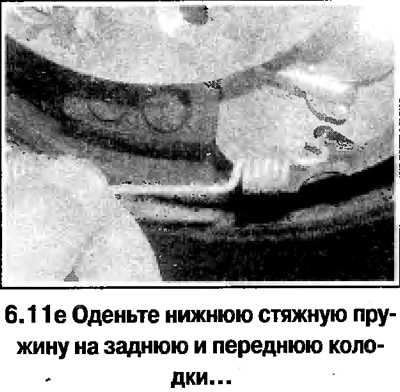
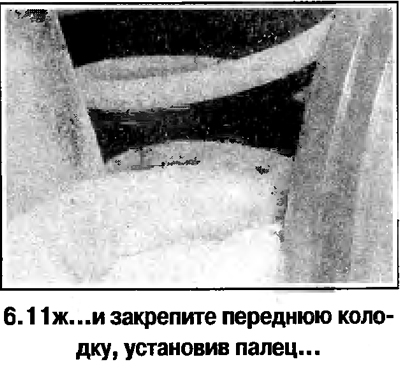
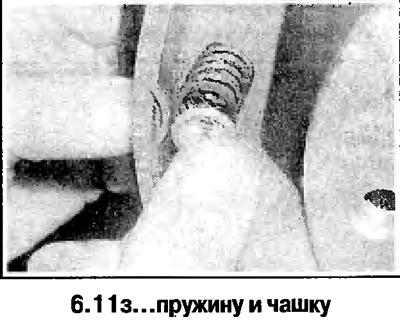
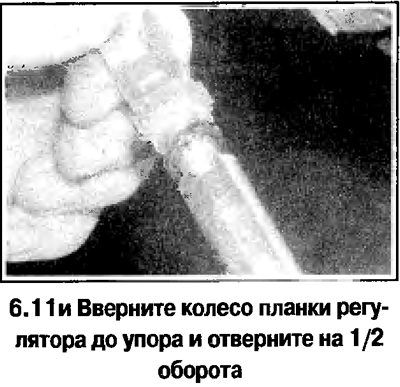
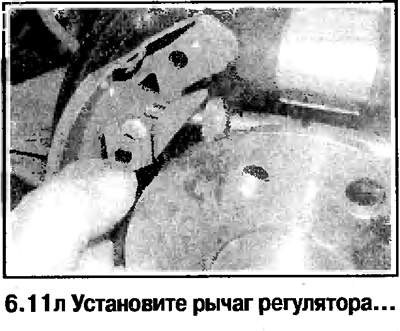
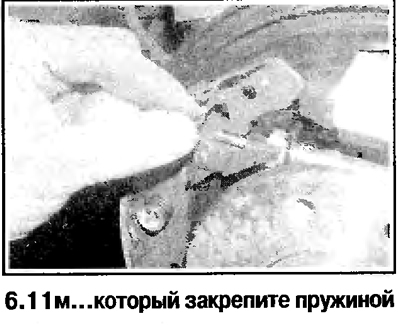
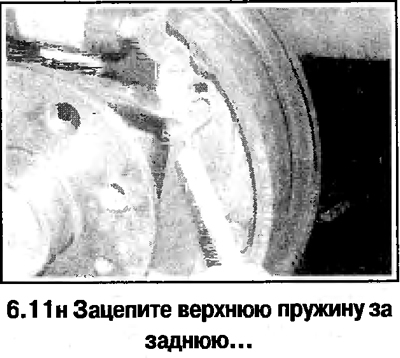
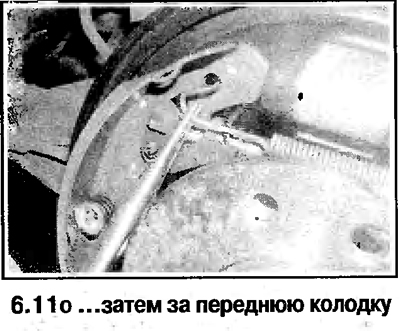
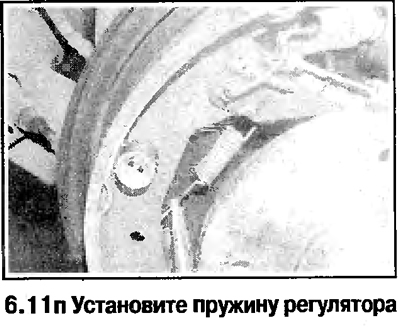
11. The assembly procedure for the rear drum brake is illustrated in the photo.
Material copied from this website opelbook
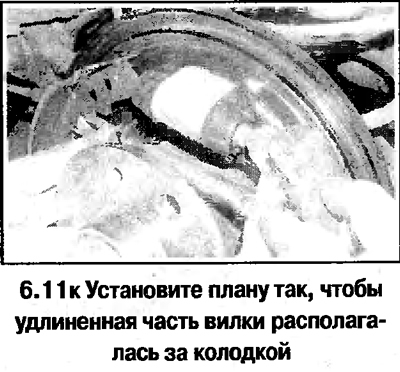
12. After assembly, put on the drum, first making sure that the stop part of the shoe drive lever is located opposite the shoe cheek. If the shoes have been changed, then spread them by pressing the brake pedal 20-25 times. When pressing the pedal, characteristic clicks should be heard from the side of the brake drum, which indicates normal operation of the shoe regulator. Check the fluid level. Adjust the parking brake cable (see below).
Visitor comments