


Contents: Cigarette lighter ⬇ Watch ⬇ Throttle indicator light ("ON") and…⬇ Handbrake on indicator and switch ⬇ Illumination of the glove…⬇ Luggage compartment lighting…⬇ Luggage compartment lighting (Saloon) ⬇ Engine bay lighting ⬇ Auxiliary lights ⬇ Fog lights ⬇
1. Many accessories can be purchased as a matching kit from your Vauxhall - Opel dealer or specialist car retailer.
2. The information provided below is intended to provide general guidance on the fitting of typical Vauxhall accessories however this does not mean that the fitting instructions for accessories from other manufacturers should be ignored.
Cigarette lighter
3. Remove the ashtray and ashtray cover from the front panel.
4. Run the electrical wiring found in the fuse box.
5. Install the bulb shield A into the ashtray housing (see Figure 12.52).
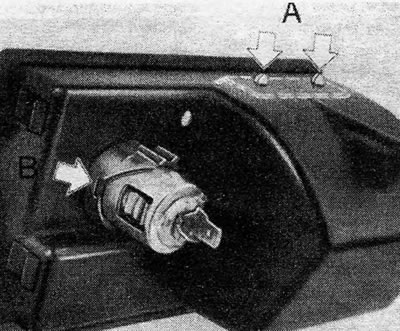
Figure 12.52. Cigarette lighter backlight screen in the ashtray casing. (A) Backlight screen and (B) Light ring
6. Install the glow ring on the cigarette lighter.
7. Install the cigarette lighter socket into the ashtray housing.
8. Install the bulb socket into the luminous ring by pushing the spring of the ground wire A under the contact projection (see Figure 12.53).
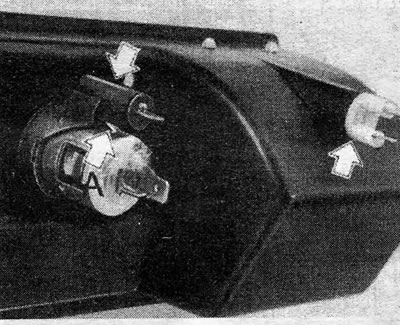
Figure 12.53. Installed cigarette lighter: A - Grounding spring. The arrows indicate the holders of the cigarette lighter and ashtray illumination bulbs
9. Install the bulb holder for the ashtray light bulb.
10. Make the following electrical connections:
- Black - positive wire of cigarette lighter A
- Brown - negative wire of cigarette lighter A
- Black - positive wire of cigarette lighter bulb B
- Black and brown - ashtray light bulb C
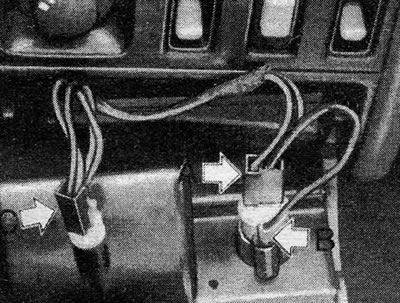
Figure 12.53. Installed cigarette lighter.A - Ground spring The arrows indicate the holders of the cigarette lighter and ashtray illumination bulbs
11. Now connect the wires from the cigarette lighter and both bulbs to the spare contact (15) on the fuse box.
12. Connect the ground wire to the right side of the steering column bracket using self-tapping screws and a locking washer in the hole provided.
13. Turn on the ignition (position "ON") and insert the element into the socket, make sure that the element lights up and the light comes on.
Watch
14. Remove the decorative plate from the front panel.
15. The clock wiring will include a regular red wire and a regular gray wire.
16. Connect the red wire between the positive terminal of the clock and terminal (30) on the fuse box (see Figure 12.55).
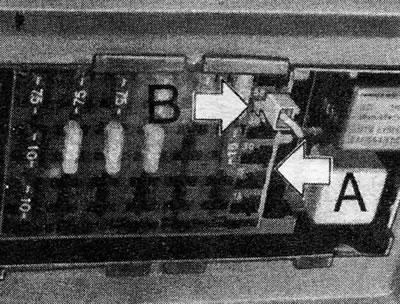
Figure 12.55. Clock electrical connections at the fuse box A - Fuse contact 30; B - Fuse contact 58
17. Connect the grey wire between the clock light bulb and terminal (58) on the fuse box.
18. Connect the ground wire between the clock and the right side of the steering column bracket. Use self-tapping screws and a locking washer in the small hole provided (see Figure 12.56).
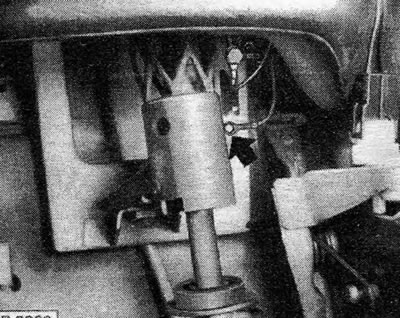
Figure 12.56. Grounding the clock at the steering column bracket
Throttle indicator light ("ON") and switch
19. On later 1.3 models equipped with a manual choke carburetor, an indicator of the choke being on ("ON" position) may be installed.
20. Disconnect the battery.
21. Remove the air cleaner.
22. Disconnect the current throttle cable from the carburetor.
23. Remove the cover from the bottom of the front panel (see Figure 12.57).
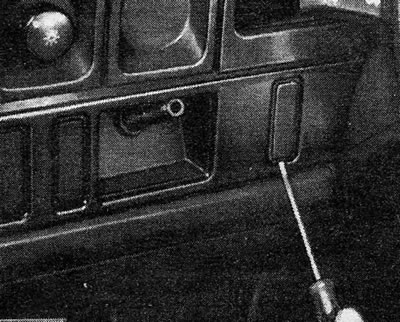
Figure 12.57. Removing the cover from the throttle control mounting plate screws (left hand drive version)
24. Disconnect the locking pin from the throttle control handle.
25. Unscrew the throttle control socket mounting nut.
26. Loosen and remove the screws and remove the front switch panel (see photo 44.26).
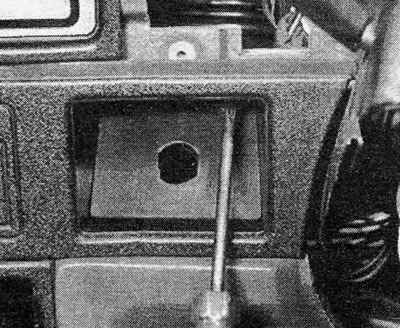
Photo 44.26 Removing the front switch panel mounting screw to access the throttle control handle
27. Remove the instrument panel as described in Section 26.
28. Reinstall the bulb into the indicator socket on the instrument panel.
29. Remove the existing throttle cable assembly and install a new one with a switch.
30. Connect the indicator light to terminal (15) on the fuse box.
31. Connect the throttle switch wire to the light bulb socket.
32. Connect the brown ground wire to the bracket on the right side of the steering column. Use self-tapping screws and a locking washer in the provided hole.
33. Reinstall all previously removed parts and components.
Handbrake on indicator and switch
34. Disconnect the battery.
35. Remove the driver's seat.
36. Remove the roller studs and plastic cover on the right seat runner (see Figure 12.58).
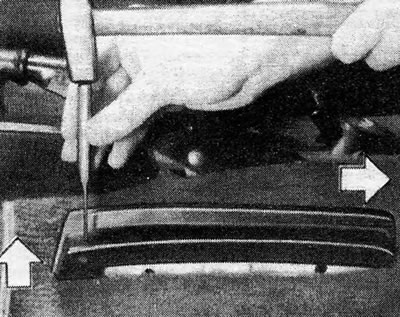
Figure 12.58. Removing the front seat roller pin
37. Remove the door sill molding, the cover underneath the dash panel, and the driver's side lower panel.
38. Refer to Chapter 9 and remove the handbrake lever.
39. Screw the switch to the base of the lever and install the lever in place (see Figure 12.59).
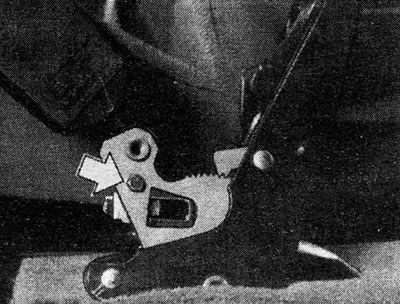
Figure 12.59. Handbrake on switch - indicated by arrow
40. Install the wiring between the switch and the rear of the dash panel, running it under the carpet, sill, and under the trim panel.
41. Remove the instrument panel as described earlier in this Chapter.
42. Install the indicator bulb and its holder into the rear of the instrument panel (see Figure 12.60).
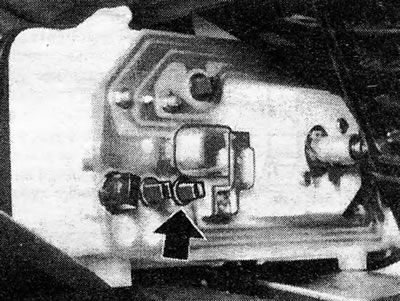
Figure 12.60. Handbrake on indicator light - indicated by arrow
43. Connect the end of the newly installed wire to the multi-plug (see Figure 12.61).
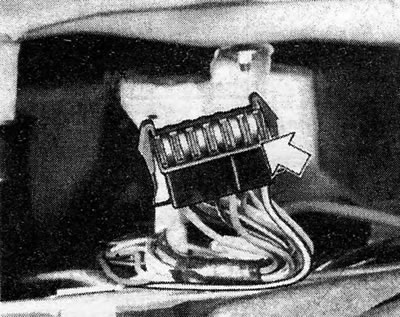
Figure 12.61. Connecting the handbrake indicator to the electrical wiring multi-plug
44. With the ignition on, check that the indicator light comes on when the handbrake is applied. Reinstall the removed parts and components.
Illumination of the glove compartment ("glove box")
45. Run the wiring between the fuse box and the glove compartment. Attach it properly to the back of the front panel.
46. Install the bulb and holder in the glove compartment, along with the switch.
47. Connect the brown ground wire between the bulb and the hole provided in the right steering column bracket. Use a self-tapping screw and a locking washer for this.
48. Connect the black wire to terminal (15) on the fuse box.
Luggage compartment lighting (Hatchback)
49. Cut a hole in the air vent grille from inside the car and attach the bulb (see Figure 12.62).
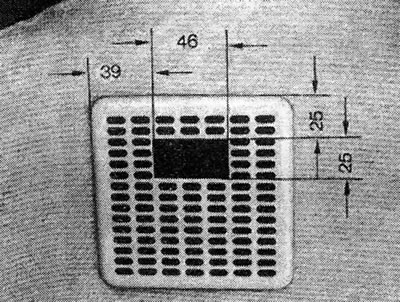
Figure 12.62. Location of luggage compartment lighting - Hatchback Measurements are given in mm
50. Connect the wire from the bulb to the fuse box, leading it to the wire that comes from the contact (30). Route the wire under the carpet.
51. Install the plunger switch on the rear door frame and connect it to power and ground (see Figure 12.63).
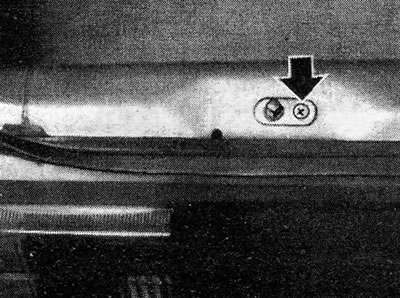
Figure 12.63. Rear door switch for luggage compartment lighting The mounting screw is indicated by the arrow
Luggage compartment lighting (Saloon)
52. Install the bulb holder and bulb (see Figure 12.64).
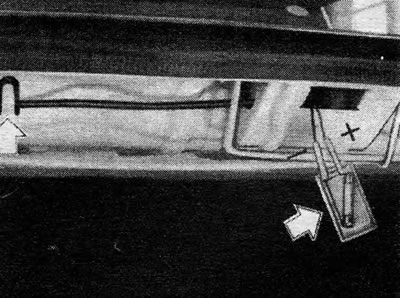
Figure 12.64. Location of the trunk light The arrows indicate the backlight and wire clamp
53. Install the switch into the mounting hole provided in the left hinge support bracket (see Figure 12.65).
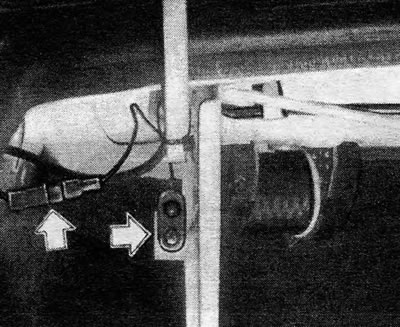
Figure 12.65. Luggage compartment light switch and electrical wiring plug - indicated by arrows
54. Connect the brown ground wire to the switch.
55. Connect the red wire to the red (spare) connector in the adjacent vehicle wiring harness. If a spare connector is not installed, run a new wire under the carpet at the threshold to terminal (30) on the fuse box (third terminal from the bottom, protected by fuse #4).
Engine bay lighting
56. Install the bulb and connect the existing wire to the gray/green connector in the adjacent wiring. If such a connector is missing, run a new wire between the engine compartment light bulb and the left front parking light (see Figure 12.66).
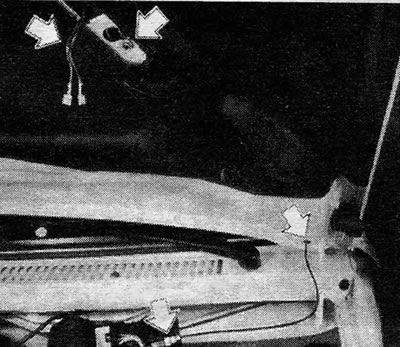
Figure 12.66. Engine compartment lighting. The arrows indicate the connections, the grounding point and the cap
57. Attach the ground wire to the body using a self-tapping screw and locking washer.
58. The engine compartment lighting only turns on when the vehicle lighting is on.
Auxiliary lights
59. Disconnect the battery
60. Remove the lower section of the steering column cover.
61. Remove the cover from underneath the front panel on the fuse box side.
62. Remove the fuse box by pressing on the center of its upper part with a screwdriver, in the specially provided recess. Press down on the top of the fuse box and release it from the retaining clips at the bottom.
63. Remove the front bumper and radiator grille as described in Chapter 11.
64. Drill the mounting holes for the auxiliary lights (25.0 mm) in the bumper according to Figure 12.67.
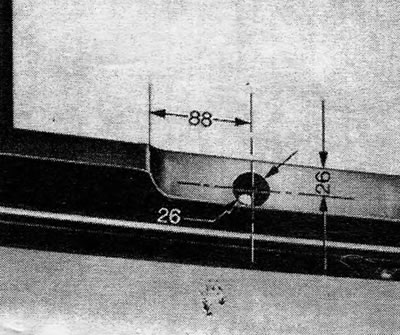
Figure 12.67. Location of the hole for installing auxiliary lights Measurements are given in mm
65. Install the lamp brackets with the reinforcement plates, gaskets, nuts and washers provided in the kit.
66. Install the bumper and radiator grille. Attach the bracket to the grille.
67. Drill a hole in the engine compartment, in the rear upper part and run the electrical wiring (with rubber cap) through it so that the wiring ends near the fuse box.
68. Attach the relay to the carrier and secure it to the fuse box (see Figure 12.68).
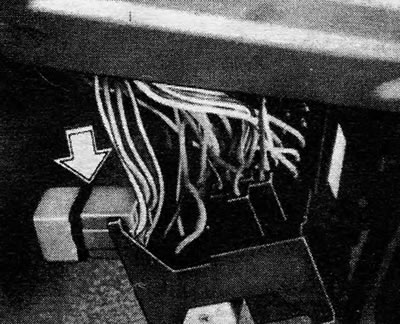
Figure 12.68. Auxiliary headlight relay - indicated by arrow
69. Makes the following connections:
- (a) Red wire, contact (30) to the headlight low beam switch
- (b) White wire, contact (85) to the contact of the low beam switch of the front headlights
- (c) Ground wire to contact (85)
- (g) Contact (87) to the main beam of the front headlights
70. Now connect the wire from the relay contact (30) to the red wire of the low beam switch of the front headlights (see Figure 12.69).
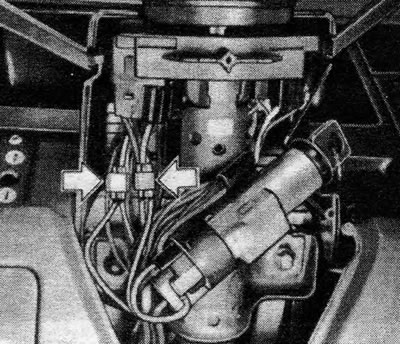
Figure 12.69. Connecting the auxiliary headlight wiring to the headlight low beam switch The connectors are indicated by arrows
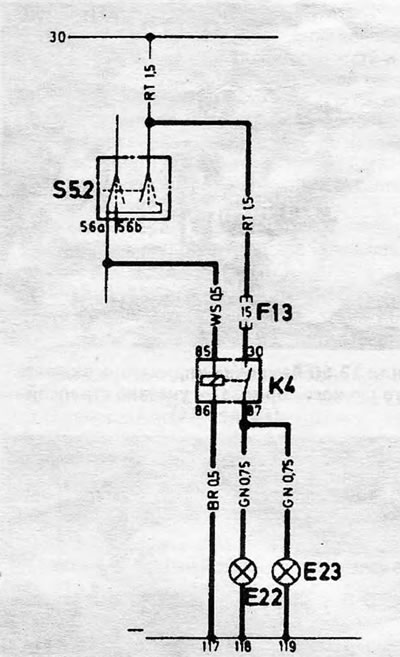
Figure 12.70. Auxiliary headlights electrical circuit diagram E22 Left auxiliary headlight; E23 Right auxiliary headlight; F13 Fuse at the relay; K4 Auxiliary headlight relay; S52 Low beam switch
71. Connect the wire from the relay contact (85) to the white wire of the low beam contact (56a).
72. Connect the ground wire from the relay contact (86) to the right steering column mounting bracket using the hole provided for this purpose, a self-tapping screw and a locking washer.
73. Route the power wire from the relay contact (87) through the rubber cap on the top of the engine and connect to the bulb holders.
74. Reconnect the battery, check the operation of the headlights, and then reinstall all previously removed parts.
75. Adjust the headlight beams, referring to Section 31 for details.
Fog lights
76. Fog lights are usually mounted on the lower spoiler.
(Original posted on the website: www.opelbook.ru)
77. Drill holes and install the headlights according to Figure 12.71.
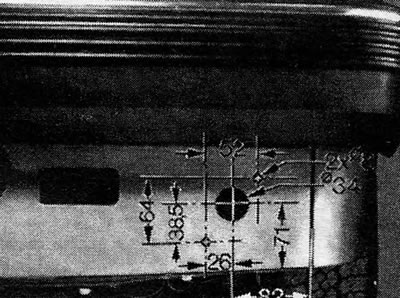
Figure 12.71. Location of fog light mounting hole. Measurements are given in mm
78. Working from inside the vehicle, remove the lower switch panel from the dash. On vehicles with manual throttle control, it will be necessary to remove the throttle control handle and its socket (see above in this Section), as well as three switch panel screws.
79. Install the fog light switch in the free space and connect it as follows:
- Contact 1 - ground
- Contact 2 - wire from relay contact (85)
- Contact 3 - wire from fuse box contact (15)
- Contact 4 - wire from relay contact (87)
80. Remove the cover from underneath the front panel, as well as the upper steering column cover.
81. Connect the relay to the fuse box, which must be disconnected so that the relay wiring can be routed to the rear of the fuse box as follows:
- Relay contact (30) from switch contact (58)
- Relay contact (87) to fog light wire
- Relay contact (85) from switch contact (2)
- Relay contact (86) from the contact of the low beam switch of the front headlights (56a)
82. Combine the wire from the relay contact (86) with the white wire that runs from the headlight low beam switch contact (56a).
83. Release the main light switch from the switch mounting panel and connect the wire from the relay contact (30) to the gray/green wire that comes from the light switch contact (58).
84. Connect the ground wire from the contact (1) of the fog light switch to the right steering column mounting bracket. For this purpose, a special hole is provided, as well as a self-tapping screw and a locking washer.
85. Drill a hole in the top of the engine compartment and install a rubber cap in it to pass the electrical wire through it.
86. Pass the wire through this cap, connect it to the contact (87) of the relay and to the contact (A) on the fog lamp (see Figure 12.72).
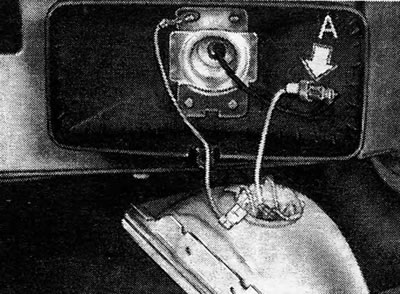
Figure 12.72. Fog lamp electrical connections A See comments in text
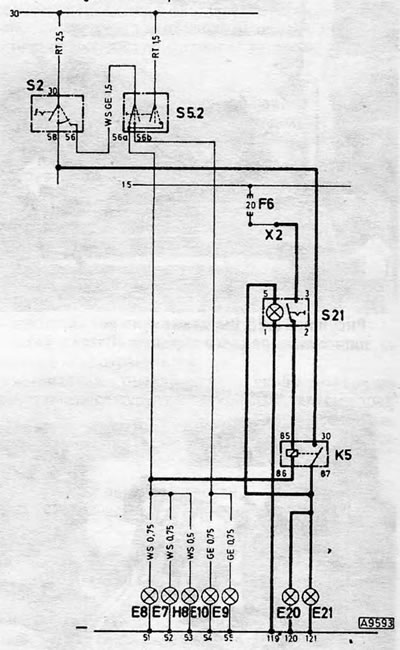
Figure 12.73 Fog lamp wiring diagram E8 Left headlight - high beam; E20 Left fog light; E21 Right fog lamp; F6 Fuse box (fuse no. b); K5 Fog Light Relay; S2 Light switch; S21 Fog light switch; S52 Headlight low beam switch; X2 Fuse box (terminal no. 15)
87. Connect the wire from the contact (S) on the fog light switch to the wire coming from the relay contact (87).
88. Connect the wires from the fog light switch contact (3) to contact (15) on the fuse box.
89. Reinstall the fuse box and secure the fog light switch to the switch panel.
90. Reinstall the steering column cover and lower cover under the dashboard.
91. Connect the battery.
92. Check that the fog lights only come on when the ignition is on and that the side lights or low beams are on. When the high beam headlights are turned on, the fog lights should turn off.
93. Adjust the direction of the fog light beam.
Visitor comments