


See warning at beginning of section Relieving pressure in the fuel system of gasoline engines.
Multec-S injection system
Before you decide for sure that your injectors are broken, try adding some of the additives approved by car engine manufacturers to your fuel. Also make sure that your fuel tank is not contaminated.
1. Relieve the pressure in the fuel system (see Relieving pressure in the fuel system of gasoline engines), then disconnect the negative cable from the battery.
2. Remove the oil filler cap, unscrew the mounting screws and remove the engine protective cover.
3. Disconnect the electrical wiring from the intake air temperature (IAT) sensor, disconnect the air intake duct from the air cleaner and throttle body. On Zafira models, remove the engine bay weather strip and the cowl cover located under the lower edge of the windscreen. To gain access to the air intake duct, loosen the mounting nuts/bolts and remove the upper front panel cover.
4. Disconnect the crankcase ventilation hoses from the timing cover.
5. Disconnect all electrical wiring that is installed in the plastic routing channel that runs along the fuel line - try to remember the order in which the harnesses are installed. The following components must be disconnected:
- Carbon adsorber purge valve;
- Crankshaft Position Sensor (CKP);
- Oil pressure alarm sensor;
- Stepper motor for idle speed stabilization system;
- Coolant Temperature (ECT) Sensor;
- Throttle Position Sensor (TPS);
- Camshaft Position (CMP) Sensor;
- Manifold Absolute Pressure (MAP) Sensor;
- EGR valve;
- Ignition module;
- Lambda probe;
- Upper ECM connector;
- Knock Sensor (KS);
- Ignition module interference suppressor;
- Two pipeline grounding buses;
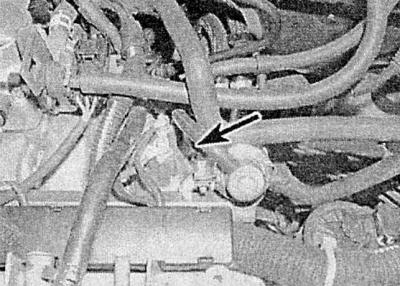
(Source is on the website: opelbook)
- Gray relay mounting block connector at the front of the engine compartment.
6. Disconnect the fuel pressure regulator vacuum hose on the left side of the fuel line.
7. Disconnect the fuel lines from the fuel line - pay attention to the difference in the sizes of the nipple connections.
8. Remove the two mounting bolts and remove the fuel line together with the injectors and the plastic wiring channel.
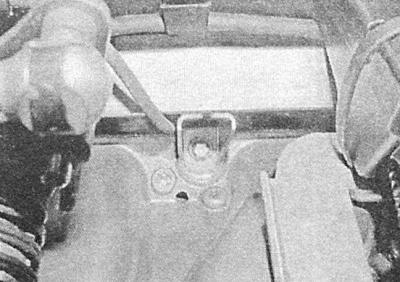
9. If necessary, the injectors can be removed from the fuel line - release the corresponding clamps. The sealing rings of the injectors must be replaced when installing the latter.
10. Installation is carried out in reverse order. Please note the following points:
- Before installation, lubricate new O-rings with a small amount of engine oil.
- When filling the injectors into the line, try not to allow the sealing rings to shift. Make sure the injectors are securely fixed.
- When installing the fuel line, try not to damage the injectors. Tighten all fasteners to the required force.
- Finally, start the engine and check the line for signs of developing leaks.
Fuel pressure regulator
1. Remove the oil filler cap, unscrew the mounting screws and remove the engine protective cover. Release the pressure in the system (see Relieving pressure in the fuel system of gasoline engines) and disconnect the negative cable from the battery.
2. Disconnect the vacuum hose from the regulator.
3. Loosen the mounting screw and remove the regulator mounting clamp.
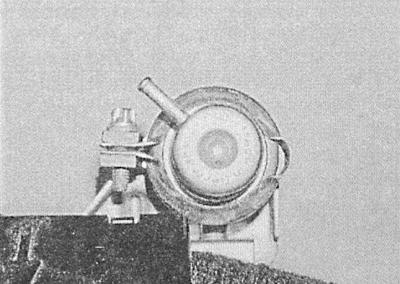
4. Carefully release the regulator from the fuel line together with the sealing elements.
5. Installation is carried out in the reverse order. Do not forget to replace the sealing elements. Finally, start the engine and check the line for signs of developing leaks.
Stepper motor for idle speed stabilization system
1. Remove the oil filler cap, unscrew the mounting screws and remove the engine protective cover.
2. Disconnect the electrical wiring from the intake air temperature (IAT) sensor, disconnect the intake air duct from the air cleaner and throttle body zafira models remove the engine compartment sealing strip and the cowl cover located under the lower edge of the windshield. To gain access to the air intake duct, loosen the mounting nuts/bolts and remove the upper front panel cover.
3. Disconnect the wiring from the stepper motor.
4. Remove the two mounting screws and remove the electric motor from the throttle body.
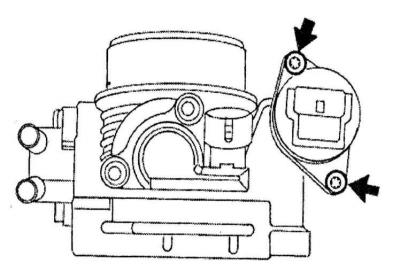
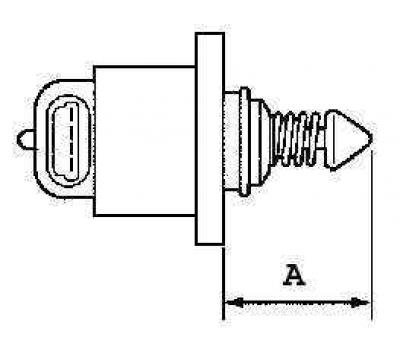
5. Installation is carried out in the reverse order. To check the proper functioning of the idle speed stabilization system, measure the amount of plunger protrusion (A) from the electric motor - the measurement result should be no more than 33 mm, - if necessary, adjust the plunger position. Before installation, lubricate the threaded part of the fastening screws with anaerobic sealant.
Throttle Position Sensor (TPS)
1. Remove the oil filler cap, unscrew the mounting screws and remove the engine protective cover.
2. Disconnect the electrical wiring from the intake air temperature (IAT) sensor, disconnect the intake air duct from the air cleaner and throttle body zafira models remove the engine compartment sealing strip and the cowl cover located under the lower edge of the windshield. To gain access to the air intake duct, loosen the mounting nuts/bolts and remove the upper front panel cover.
3. Make sure the ignition is off, then disconnect the wiring from the TPS sensor mounted on the throttle body.
4. Unscrew the mounting bolts and remove the sensor.
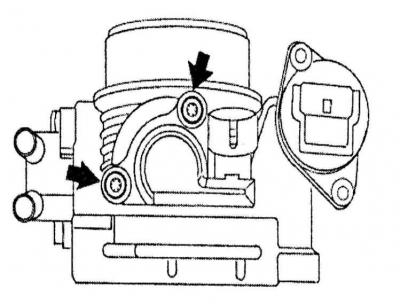
5. Installation is performed in the reverse order. Make sure that the potentiometer is correctly engaged with the throttle shaft. Before screwing in the mounting bolts, lubricate their threaded part with anaerobic sealant. After tightening the bolts with the required force, connect the electrical wiring to the sensor.
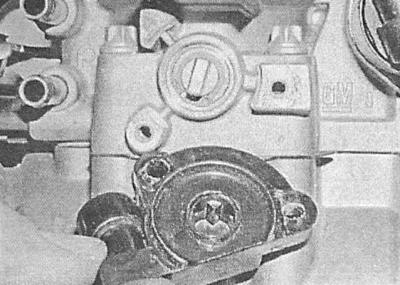
6. Check that the damper is functioning properly, then reconnect the wiring and reinstall the air intake duct.
Coolant Temperature (ECT) Sensor
The coolant temperature sensor is screwed into the thermostat housing. For a description of the procedures for removing and installing the sensor, see. Checking the proper functioning, removal and installation of electrical components of the engine cooling system control circuit.
Intake Air Temperature (IAT) Sensor
The sensor is installed in the intake air duct connecting the air cleaner housing to the intake manifold.
1. Make sure the ignition is off and disconnect the wiring from the sensor.
2. Using extreme caution, carefully remove the sensor unit - try not to damage the air duct. Remove the sensor sealing element, which must be replaced.
3. Installation is carried out in the reverse order. Make sure that the sensor flange is correctly aligned with the hole in the air intake duct.
Manifold Absolute Pressure (MAP) Sensor
The MAP sensor is mounted on the engine compartment bulkhead, to the left of the intake manifold.
1. Turn off the ignition, disconnect the electrical wiring and vacuum hose from the sensor. The sensor can now be removed from the bracket.
2. Installation is carried out in reverse order.
Crankshaft Position Sensor (CKP)
1. The sensor is installed on the right in the rear part of the cylinder block and can be accessed from under the car. Set the parking brake, jack up the front of the car and place it on supports. If equipped, remove the crankcase guard.
2. Go through the wiring from the sensor, releasing the harness from the intermediate clamps and remembering the route of its installation. Disconnect the contact connector - the sensor is removed together with part of the harness.
3. Unscrew the mounting bolt and remove the sensor.
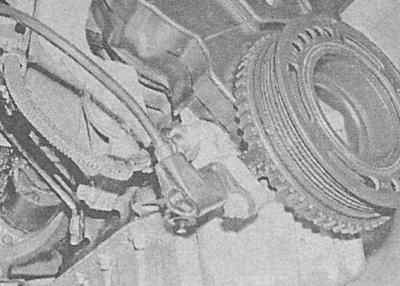
4. Installation is carried out in the reverse order. Make sure that the fasteners are tightened with the required force. Make sure that the harness is laid correctly and securely fastened.
5. Finally, measure the distance between the sensor and the teeth of the sensor rotor on the crankshaft pulley - if the result exceeds 1.0±0.7 mm, replace the sensor mounting support bracket.
Camshaft Position (CMP) Sensor
1. Remove the upper timing belt cover (see Chapter Engine).
2. Walk along the wiring from the sensor, releasing the harness from the intermediate clamps and remembering its route. Disconnect the contact connector.
3. Unscrew the mounting bolts and remove the sensor assembly with the electrical wiring from the cylinder head.
4. Installation is carried out in the reverse order. Before screwing in, lubricate the threaded part of the fastening bolts with anaerobic sealant. Tighten the bolts with the required force. Ensure that the electrical wiring is laid correctly and securely fastened.
Knock Sensor (KS)
The knock sensor is installed on the rear wall of the cylinder block.
1. To gain access, set the parking brake, jack up the vehicle and support it. The sensor can be removed from underneath the vehicle.
2. Make sure the ignition is off, then walk along the wiring from the sensor, releasing the harness from the intermediate clamps and remembering its route. Disconnect the contact connector.
3. Unscrew the mounting bolt and remove the sensor.
4. Installation is carried out in the reverse order. Before installation, make sure that the mating surfaces are absolutely clean and dry. Tighten the fasteners with the required force. Ensure that the electrical wiring is laid correctly.
Electronic Engine Control Module (ECM)
1. Disconnect the negative battery cable and open the cover of the relay mounting block located in the engine compartment.
2. Remove the two mounting screws, oil filler cap and engine protective cover.
3. Release the fasteners and disconnect the electrical wiring from the ECM. Remove the three mounting bolts and remove the module.
4. Installation is carried out in the reverse order. Make sure that the electrical wiring is connected correctly.
When replacing the unit, perform its adaptation coding to the engine of your car in the conditions of the Opel car service workshop.
Injection system relay
The injection system relay is located in the mounting block located in the engine compartment.
1. Remove the cover from the mounting block. The system relay is colored purple. Make sure the ignition is off, then release the relay from the socket.
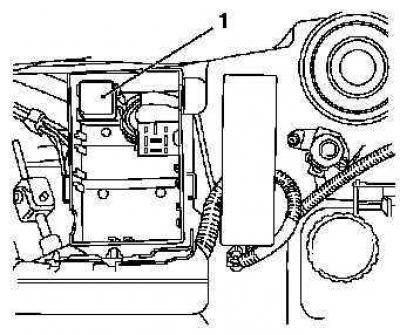
2. Installation is carried out in reverse order.
Air conditioning system switch sensor
The air conditioning system switch sensor is screwed into one of the refrigeration lines and cannot be removed without first discharging the system (see Chapter Cooling and heating systems). In view of the above, the sensor-switch should be replaced in a car service workshop.
Simtec-70 injection system
Fuel line with injection injectors
Before you decide for sure that your injectors are broken, try adding some of the additives approved by car engine manufacturers to your fuel. Also make sure that your fuel tank is not contaminated.
1. Relieve the pressure in the fuel system (see Relieving pressure in the fuel system of gasoline engines), then disconnect the negative cable from the battery.
2. Remove the oil filler cap, unscrew the mounting screws and remove the engine protective cover.
3. Disconnect the electrical wiring from the mass air flow (MAF) sensor, disconnect the air intake duct from the air cleaner and throttle body. On Zafira models, remove the engine bay weather strip and the cowl cover located under the lower edge of the windshield. To gain access to the air intake duct, loosen the mounting nuts/bolts and remove the upper front panel cover.
4. Disconnect the crankcase ventilation hoses from the camshaft cover and throttle body.
5. Disconnect all electrical wiring that is routed in the plastic routing channel that runs along the fuel line - try to remember the order in which the harnesses are laid. Release the harness from the channel.
6. Remove the mounting bolts and disconnect the ground straps from the wiring tray to the right of the intake manifold and the ECM to the left of the manifold.
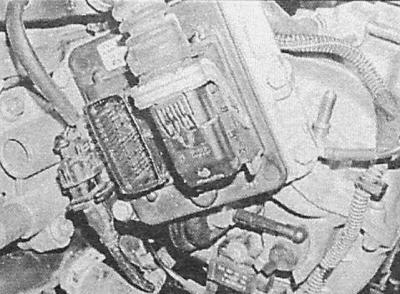
7. Remove the gutter mounting bolt.
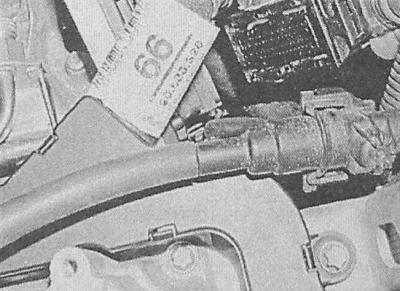
8. Disconnect the fuel lines from the fuel line - pay attention to the difference in the sizes of the nipple connections.
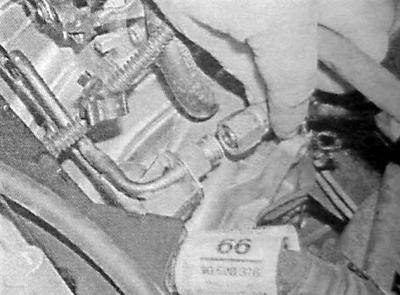
9. Unscrew the two mounting bolts and remove the fuel line together with the injectors and the plastic wiring trough. Remove and discard the lower sealing rings - they must be replaced during assembly.
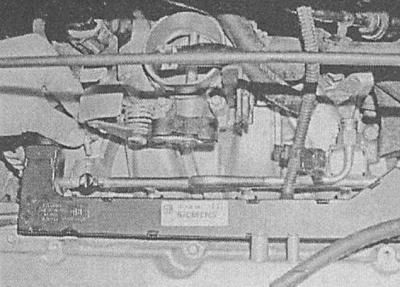
10. Release the clamps and carefully remove the wiring trough from the injectors - the contact connectors are built into the trough and cannot be replaced individually.
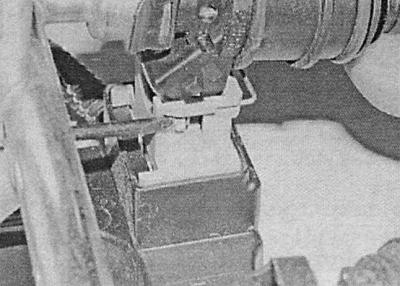
11. Release the corresponding clamps and remove the injectors from the fuel line. Remove the upper sealing rings; when installing the rings, they must be replaced without fail.
12. Installation is carried out in reverse order. Please note the following points:
- Before installation, lubricate new O-rings with a small amount of engine oil.
- When filling the injectors into the line, try not to allow the sealing rings to shift. Make sure the injectors are securely fixed.
- When installing the fuel line, try not to damage the injectors. Tighten all fasteners to the required force.
- When installing the gutter, ensure that the injector connectors are connected correctly.
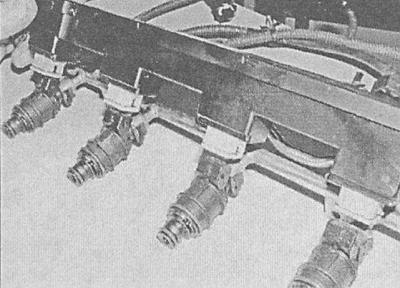
- Finally, start the engine and check the line for signs of developing leaks.
Fuel pressure regulator
1. On 1.8 l models the fuel pressure is regulated by a module of the fuel pump placed in the fuel tank - the regulator is installed under the pump cover, it is not supplied individually to the spare parts market and in case of failure the entire pump assembly is subject to replacement (description of the procedures for removing and installing the pump assembly - see. Removal and installation the fuel pump - petrol models). Disconnect the fuel lines from the regulator, disconnect the electrical wiring, disconnect the electrical wiring located under the pump cover. On 2.0L engines remove the engine protective cover. Release the pressure in the fuel system (see Relieving pressure in the fuel system of gasoline engines) and disconnect the negative cable from the battery.
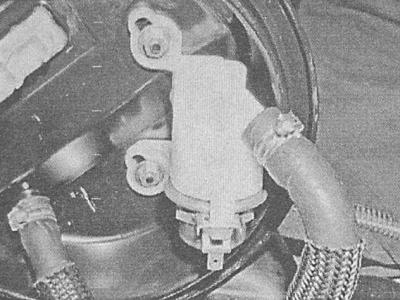
2. Disconnect the vacuum hose (1) from the regulator.
3. Loosen the fastening screw and remove the mounting clamp (2) of the regulator.
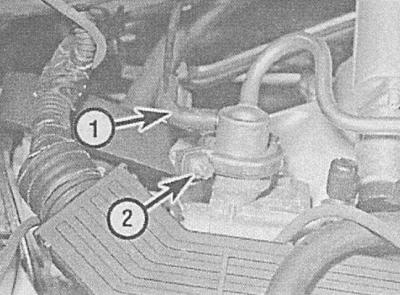
4. Carefully release the regulator from the fuel line together with the sealing elements.
5. Installation is carried out in the reverse order. Do not forget to replace the sealing elements. Finally, start the engine and check the line for signs of developing leaks.
Throttle body regulator - 1.8L models
On 1.8 l models engine speed is controlled by the ECM via the throttle position sensor (potentiometer) the throttle position sensor (TPS) is built into the regulator, which is an integral part of the throttle body. In the event of malfunction of any of the elements, the throttle body must be replaced as an assembly (see Removal and installation the throttle body - petrol models).
Stepper Motor Idle Speed Control - 2.0L Models
1. Disconnect the electrical wiring from the mass air flow (MAF) sensor. Loosen the clamp and disconnect the crankcase ventilation hose from the rear of the camshaft cover, then disconnect the intake air duct zafira models remove the engine compartment sealing strip and the cowl cover located under the lower edge of the windshield. To gain access to the air intake duct, loosen the mounting nuts/bolts and remove the upper front panel cover.
2. Disconnect the wiring from the stepper motor.
3. Unscrew the two mounting screws and remove the electric motor from the throttle body - the sealing gasket must be replaced without fail.
A - Disconnecting the stepper motor wiring connector
B — Stepper motor mounting screws
A.
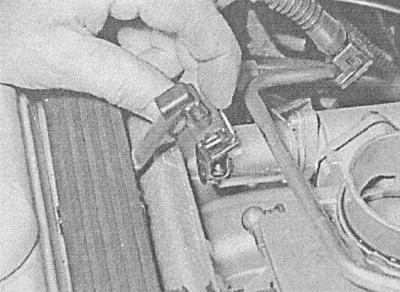
B.
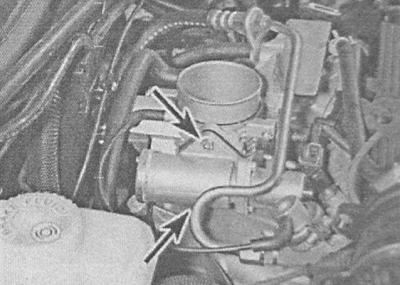
4. Installation is carried out in the reverse order. Do not forget to replace the gasket. Tighten all fasteners with the required force.
Position sensor (potentiometer) throttle Position Sensor (TPS)
1. On 1.8 l engines the sensor is built into the throttle control 2.0L engines remove the throttle body (see Removal and installation the throttle body - petrol models).
2. Loosen the mounting bolts and remove the sensor from the throttle body.
3. Installation is carried out in the reverse order. Make sure that the potentiometer is correctly engaged with the throttle shaft.
Coolant Temperature (ECT) Sensor
The coolant temperature sensor is screwed into the rear of the intake manifold. For a description of the procedures for removing and installing the sensor, see. Checking the proper functioning, removal and installation of electrical components of the engine cooling system control circuit.
Intake Air Temperature (IAT) Sensor
The functions of the IAT sensor are performed by the mass air flow (MAF) sensor - see below.
Mass Air Flow (MAF) Sensor
1. Turn off the ignition and disconnect the electrical wiring from the sensor.
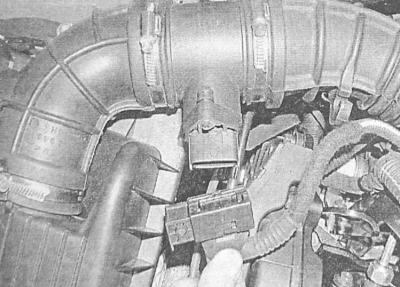
2. Loosen the mounting clamps, disconnect the intake air ducts and remove the sensor from the engine zafira models remove the engine compartment sealing strip and the cowl cover located under the lower edge of the windshield. To gain access to the air intake duct, loosen the mounting nuts/bolts and remove the upper front panel cover.
3. Installation is carried out in the reverse order. Make sure that the air ducts are connected correctly.
Crankshaft Position (CKP) Sensor - 1.8L Models
1. The sensor is mounted on a bracket on the right at the rear of the cylinder block and can be accessed from underneath the vehicle. To gain access, set the parking brake, jack up the front of the vehicle and place it on supports, and remove the crankcase guard.
2. Walk from the sensor along the wiring harness, releasing it from the intermediate clamps. Disconnect the contact connector - the sensor is removed together with the piece of wiring mounted in it.
3. Unscrew the mounting bolt and remove the sensor from the cylinder block.
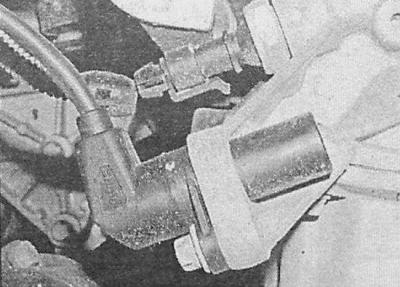
4. Installation is performed in the reverse order. Tighten the sensor mounting bolt with the required force. Ensure that the electrical wiring is installed correctly and securely fastened.
Crankshaft Position (CKP) Sensor - 2.0L Models
1. Remove the air cleaner (see Removal and installation air intake tract components).
2. On equipped with K/V models loosen the mounting bolt and remove the oil dipstick guide tube from the front of the cylinder block.
3. Walk from the sensor along the wiring harness, releasing it from the intermediate clamps. Disconnect the contact connector - the sensor is removed together with the piece of wiring mounted in it.
4. Unscrew the mounting bolt and remove the sensor from the cylinder block - the sealing ring must be replaced without fail.
5. Installation is carried out in the reverse order. Do not forget to replace the sealing ring, tighten the sensor mounting bolt with the required force. Ensure that the wiring is laid correctly and securely fastened.
Camshaft Position (CMP) Sensor
1. On 1.8 l engines remove the oil filler cap, unscrew the mounting screws and remove the engine protective cover 2.0L engines remove the mounting screws and remove the spark plug cover from the top of the cylinder head.
2. Turn off the ignition and disconnect the electrical wiring from the sensor.
3. Remove the upper timing belt cover (see Chapter Engine).
4. Unscrew the mounting bolts and remove the sensor from the cylinder head.
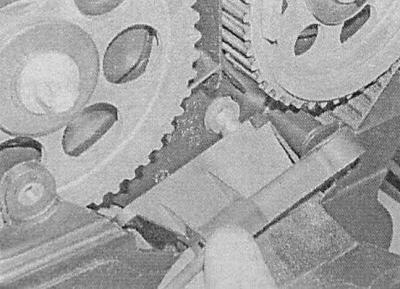
5. Installation is carried out in the reverse order. Before screwing in, lubricate the threaded part of the fastening bolts with anaerobic sealant. Tighten the bolts with the required force.
Knock Sensor (KS)
1. The knock sensor is mounted on the rear wall of the cylinder block. To gain access, apply the parking brake, jack up the vehicle and place it on supports. The sensor can be removed from underneath the vehicle.
2. On 2.0L engines remove the starter (see Chapter Engine electrical equipment).
3. Make sure the ignition is off, then walk along the wiring from the sensor, releasing the harness from the intermediate clamps and remembering its route. Disconnect the contact connector.
4. Unscrew the mounting bolt and remove the sensor.
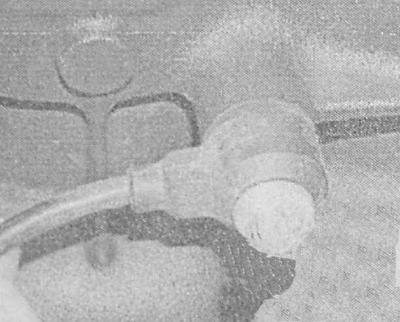
5. Installation is carried out in the reverse order. Before installation, make sure that the mating surfaces are absolutely clean and dry. Tighten the fasteners with the required force. Ensure that the electrical wiring is laid correctly 2.0L engines install the starter in place (see Chapter Engine electrical equipment).
Electronic Engine Control Module (ECM)
ECM Mount on 2.0L Models
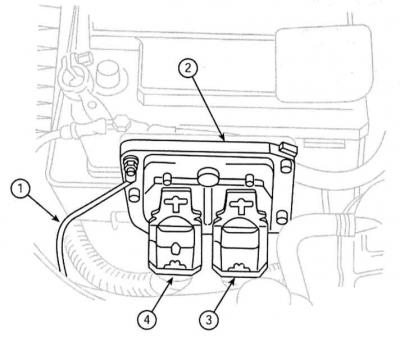
1 — Grounding busbar
2 — Electronic Control Module (ECM)
3 — Electrical wiring connector
4 - Electrical wiring connector
1. Disconnect the negative battery cable. Open the cover of the relay mounting block located in the engine compartment.
2. On 1.8 l engines The ECM is bolted to the left side of the intake manifold 2.0L engines the module is attached behind the battery.
3. Release the fasteners and disconnect the wiring from the ECM. Disconnect the ground bus from the module frame 1.8 l engines, Without disconnecting, release the wiring harness connector from the support bracket on the ECM frame.
4. Remove the three mounting bolts and remove the ECM from the vehicle - note that the lower module mounting bolt is also used to secure the wiring harness connector support bracket (see illustration ECM Mount on 2.0L Models).
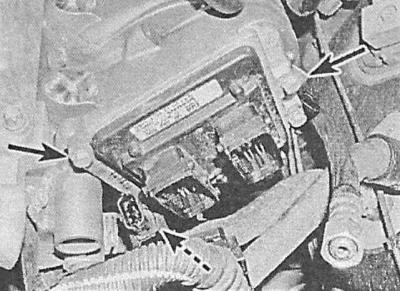
5. Installation is carried out in the reverse order. Make sure that the electrical wiring is connected correctly.
When replacing the unit, perform its adaptation coding to the engine of your car in the conditions of the Opel car service workshop.
Injection system relay
The injection system relay is located in the mounting block located in the engine compartment.
1. Remove the cover from the mounting block. The system relay is colored purple. Make sure the ignition is off, then release the relay from the socket.
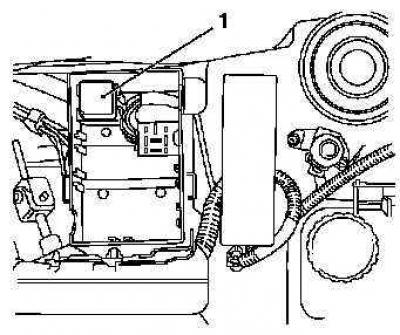
2. Installation is carried out in reverse order.
Air conditioning system switch sensor
The air conditioning system switch sensor is screwed into one of the refrigeration lines and cannot be removed without first discharging the system (see Chapter Cooling and heating systems). In view of the above, the sensor-switch should be replaced in a car service workshop.
Intake manifold switching valve control solenoid
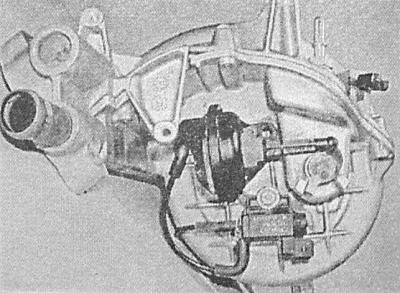
The solenoid for controlling the operation of the pipeline switching valve is installed on the left side of the latter.
1. Turn off the ignition and disconnect the electrical wiring from the valve.
2. Disconnect both vacuum hoses, unscrew the mounting screw and remove the solenoid.
3. Installation is carried out in reverse order.
Diaphragm control unit for the operation of the intake manifold switching valve
The diaphragm assembly is installed on the left side of the intake manifold.
1. On 1.8 l engines remove the ECM (see above). On 2.0L engines remove the intake manifold (see Removal and installation the intake manifold).
2. On 1.8 l engines disconnect the vacuum hose, disconnect the diaphragm rod from the hinge, unscrew the mounting bolts and remove the diaphragm assembly from the pipeline 2.0L engines unscrew the nut securing the diaphragm rod to the valve lever, remove the pin securing the diaphragm housing to the intake manifold and disconnect the vacuum hose.
3. Installation is carried out in reverse order.
Visitor comments