


Contents: Removal ⬇ Installation ⬇
The vehicles covered in this Manual are equipped with an additional SRS safety system, better known as an airbag. Before performing any work in the vicinity of the airbag or steering column assembly, be sure to turn off the system to avoid injury if it is accidentally triggered (see Chapter On-board electrical equipment). The insulation and connectors of the SRS circuit wiring are painted bright yellow. Do not connect any diagnostic equipment to this circuit!
The air conditioning system is under constant high pressure. Never disconnect refrigeration lines or remove any system components without first discharging the system. Discharging the air conditioning system must be done by an experienced technician in a car service workshop. Always wear safety glasses when disconnecting refrigeration lines!
Do not allow antifreeze to come into contact with exposed areas of the body or painted surfaces of the vehicle. If any splashes do come into contact, wash them off immediately with plenty of water. Remember that antifreeze is a highly toxic liquid and its ingestion, even in small quantities, can have the most serious consequences (even to the point of death). Never leave antifreeze stored in a loosely closed container and immediately collect any coolant spilled on the floor. Remember that the sweet smell of antifreeze can attract the attention of children and animals. Consult any car service station about methods of disposal of used coolant. In many regions of the world, special points for the collection of various types of waste have been set up. Never pour old coolant into the sewer or onto the ground! Recently, non-toxic types of antifreeze have been developed, but they are also subject to disposal in an organized manner.
Wait until the engine has cooled down completely before starting the procedure.
Removal
1. Drain the cooling system (see Chapter Routine maintenance).
2. In the engine compartment, disconnect the heater hoses from the heat exchanger pipes - mark the hoses first to ensure that they are connected correctly during assembly.
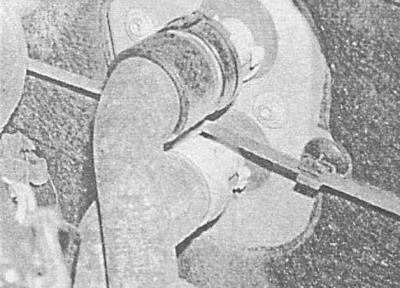
Branded hoses are equipped with quick-connect connectors.
3. If you have access to a source of compressed air, blow out the heater heat exchanger to remove any remaining coolant to avoid it getting on the carpet when removing the heat exchanger. Connect a hose to one of the branch pipe fittings and lower the other end into a suitable container. Supply air to the free fitting; if you do not have access to a source of compressed air, plug the fittings.
4. On equipped with K/V models set the parking brake, jack up the front of the vehicle and place it on supports, if equipped, remove the crankcase guard. Remove the rear engine mount (see Chapter Engine).
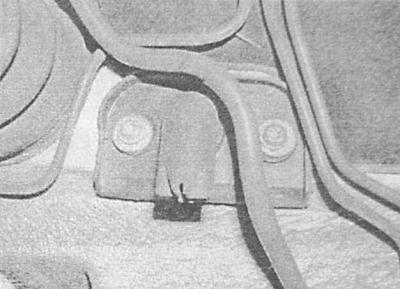
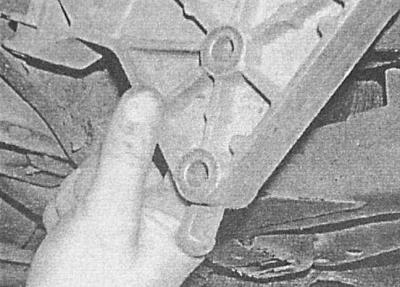
5. Unscrew the two mounting bolts and remove the condensate drainage unit from the floor panel.
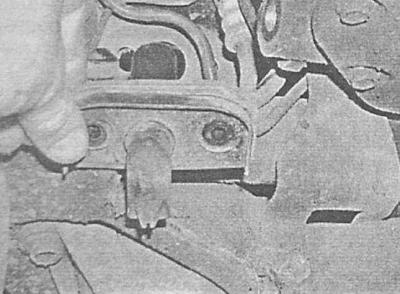
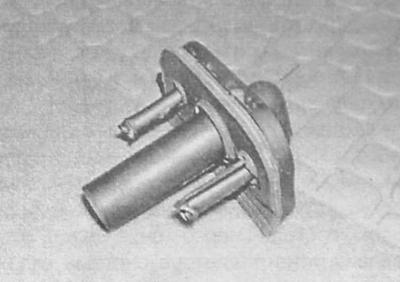
Dismantling the drainage unit is possible without first removing the support, but this makes the work significantly more difficult.
6. Remove the center console (see Chapter Body). Pull forward and remove the air supply hoses to the rear footwells.
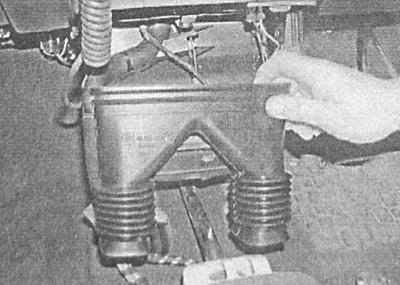
On Zafira models, before removing the air ducts, loosen the strut mounting bolts.
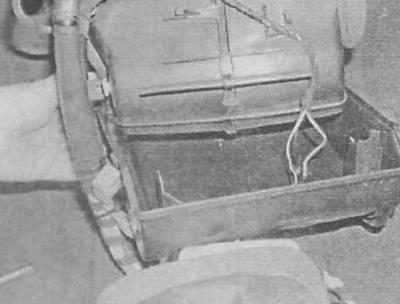
7. Release the 9 fastening fasteners of the cover to the main body of the heater. Please note that on some models in addition to the fasteners, two fastening bolts are also used.
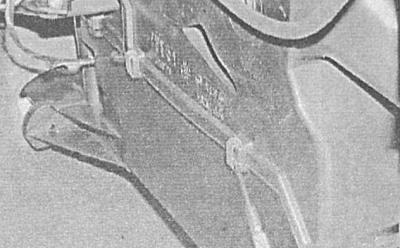
8. Lower the lid.
Material taken from an internet portal: www.OpelBook.ru
9. On equipped with K/V models disconnect the electrical wiring from the coolant shut-off valve.
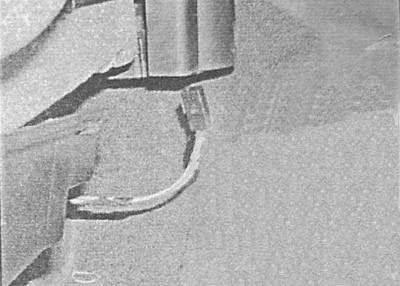
4. Loosen the clamps and disconnect the coolant hoses (models without K/V)/ shut-off valve (models with K/V) from the heater heat exchanger.
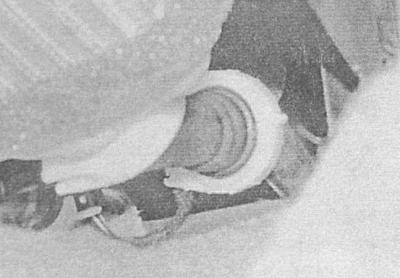
5. Remove the heat exchanger from the heater body.
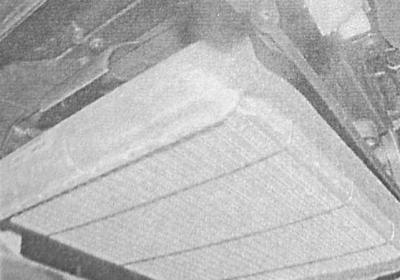
6. Remove the sealing rings - when installing the rings, they must be replaced. Check the condition of the quick-connect connectors - replace any defective components.
Installation
Installation is carried out in the reverse order of dismantling the components.
1. Before installation, lubricate the new O-rings with a small amount of silicone grease zafira models make sure the hoses are securely seated on their fittings on the engine compartment bulkhead - when connecting the hoses, support them with the handle of a hammer.
2. Finally, fill the cooling system (see Chapter Routine maintenance). Check the reliability of the quick-connect fittings - the green retaining ring should fit loosely.
Visitor comments