


Examination
Electrical power to the cooling fan is supplied via the ignition switch and a fuse. The fan is controlled by a temperature sensor installed on the right side of the radiator.
The fan should turn on when the engine operating temperature is exceeded, i.e. a few minutes before the engine temperature gauge needle enters the red sector. If the fan does not turn on, remove the wires from the temperature sensor, connect them together and turn on the ignition. If the fan starts working after this, the temperature sensor is probably faulty and needs to be replaced. If the fan still does not work, check if voltage is supplied to the temperature sensor. If there is no voltage at the temperature sensor, the wires may be damaged or the fuse may have blown. If voltage is supplied, check the reliability of the ground connection of the second sensor wire. If the temperature sensor and wiring are in good condition, the fan motor may be damaged. The motor can be checked by supplying voltage to it using additional wires from the battery.
Removal
Models with petrol engines without air conditioning
1. Remove the electrical connector from the radiator fan motor and release the electrical wires from the support brackets.
2. Remove the upper bolts securing the radiator fan to the rear of the radiator.
3. Remove the fan assembly from the lower mount and remove it from the engine compartment.
4. Remove the nuts, remove the retaining ring and remove the radiator fan motor from the housing.
Models with petrol engines and air conditioning
1. Disconnect both terminals from the battery, then remove the relay and fuse box located in front of the battery.
2. Disconnect the electrical connector from the auxiliary fan.
3. Unscrew the bolt securing the ground bus to the fan.
4. Disconnect the electrical connectors from the two air conditioning pressure sensors located on the engine compartment bulkhead.
5. Drain the coolant from the cooling system.
6. Loosen the clamps and remove the upper hose connecting the thermostat housing and the radiator.
7. Unscrew the heat exchanger mounting bolts on the right side of the radiator.
8. Remove the electrical connectors from the two air conditioning temperature sensors located on the base on the right side of the radiator.
9. Disconnect the electrical connector from the air conditioning compressor.
10. Release the heat exchanger pipes from the mounting brackets.
11. Disconnect the left side of the fan assembly from the radiator, lift the fan assembly up and out of the engine compartment.
12. Disconnect the electrical wires, unscrew the mounting bolts and remove the electric fan motor from the fan assembly.
13. Remove the bracket and remove the fan from the motor.
Models with diesel engines
1. Remove the battery and battery tray.
2. Remove the front bumper.
3. Remove the right wheel arch liner. Then disconnect the electrical connector from the wires going to the fan.
4. On models with air conditioning, disconnect the electrical connector from the pressure sensor at the rear of the engine.
5. On 1.7L diesel models, remove the auxiliary coolant pump and disconnect the hoses from the radiator.
6. Remove the air supply pipes to the heat exchanger on the left side of the radiator.
7. Disconnect all electrical wires from the radiator fan assembly.
8. On models with air conditioning, disconnect the electrical wires from the auxiliary fan and compressor.
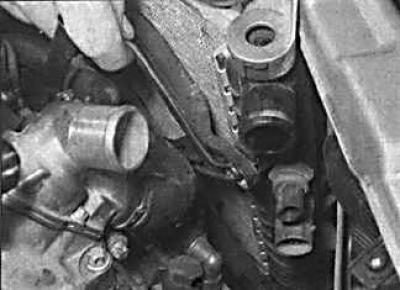
9. Unscrew the bolts securing the fan to the radiator
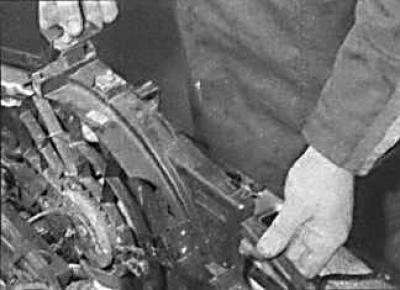
10. Remove the radiator fan upward from the lower right mount.
11. Remove the retaining ring and remove the radiator fan.
12. Unscrew the mounting bolts and remove the radiator fan motor.
Installation
Installation is performed in the reverse order of removal. Fill the cooling system with coolant.
Article published on the website (opelbook.ru)
Visitor comments