


Contents: Air conditioner operating modes ⬇ Ventilation (conditioning) without…⬇ Heating ⬇ Defrosting glass ⬇ Cooling of the glove compartment ⬇ Air Conditioner Care and Maintenance ⬇
It operates in ventilation, heating and air cooling mode. With its help, the maximum comfortable temperature is constantly maintained in the cabin at any time of the year, in any weather and outside air temperature.
The air conditioner's cooling device lowers the air temperature, reduces its humidity, removes dust, and during the flowering period - pollen.
The heater heats the air and regulates its temperature. The pumping intensity is regulated by the compressor.
The switches for temperature control, air flow distribution and fan intensity are functionally similar to the switches on the group panel of the heating and ventilation system.
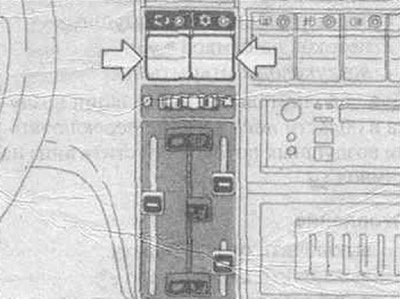
The switches are located at the top of the panel
 cooling device and
  air circulation.
The buttons have built-in control lamps. Air cooling is accompanied by the fan operating at medium speed. If desired, the speed can be increased.
In case of strong heating of the engine coolant, when the temperature gauge approaches the red sector (for example when driving uphill with a trailer), the cooling device must be turned off.
By pressing the circulation button
the air conditioner switches to the mode of circulating the interior air of the cabin with a minimum share of outside air.
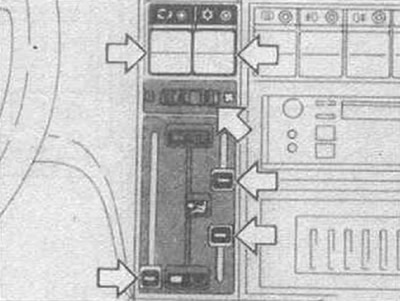
At the same time, the control lamp lights up.
This mode of operation of the air conditioner is switched on for a short time to prevent smoke and unpleasant odors from entering the passenger compartment from outside.
The air conditioner operates only when necessary. When the outside temperature drops to +4°C, there is no longer any need to use the air conditioner and it switches off automatically.
Air conditioner operating modes
Maximum fast cooling
In hot weather, when the car is exposed to the scorching rays of the sun for a long time.
Open all windows for a short time and ventilate the interior.
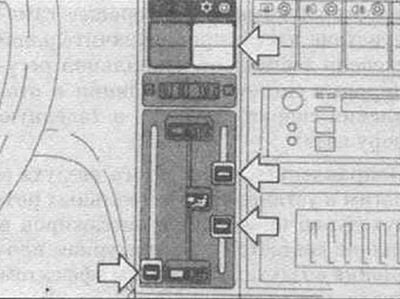
- Turn on the air conditioner cooling unit
- Turn on air circulation
- Turn the temperature regulator down
- Set the fan to full speed

- Both air flow regulators on the symbol

- Open all air blowers
Circulation of interior air
turns on for a short time. Long-term operation in this mode leads to deterioration of air quality.
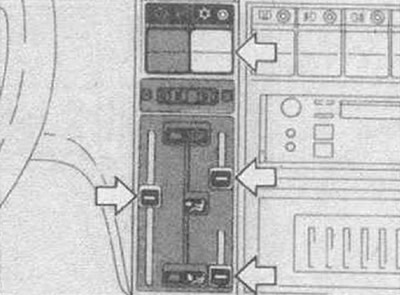
Normal cooling
When driving outside populated areas and on motorways.
- turn on the cooler
- turn on circulation
- temperature controller - down
- fan operating mode - at your own discretion.
- both air flow regulators on the symbol
- close all blowers
Original posted on the website (www.OpelBook.ru)
Creating a temperature layer "cold head and warm feet"
- Turn on the cooler
- Turn off circulation
- Temperature controller - optional
- Fan - at your own discretion
- Both air flow switches down to symbols and

- The blowers can be opened
It is best to set the temperature control to the middle position, which directs warm air upward.
Ventilation (conditioning) without cooling of the discharge air
- turn off the cooler
- turn off circulation
- temperature controller - down
- fan - optional
- both air flow switches on symbol
- open air ducts
For additional air ventilation in the foot area, move the lower air flow switches down to the symbol
.
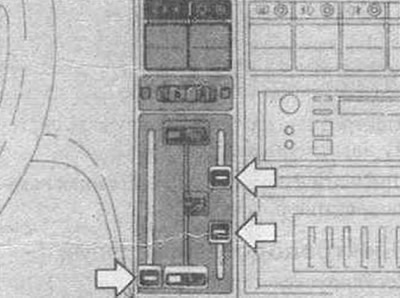
Heating
- turn off the cooler
- turn off circulation
- temperature controller - up
- fan - optional, but not at full speed
- both air flow switches - down to symbols and
During periods of intensive heating of the passenger compartment, close the air blowers. If necessary, direct the upper side air blowers towards the door windows.
The central air vents can be opened slightly to supply fresh air to the head.
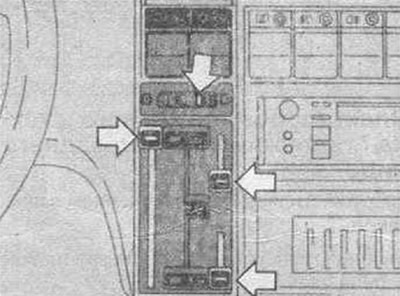
Defrosting glass
- turn off the cooler , is necessary to reduce humidity.
- temperature regulator - up.
- fans - optional.
- upper air flow switch - up to symbol

- lower air distributor - up to symbol
- close all blowers
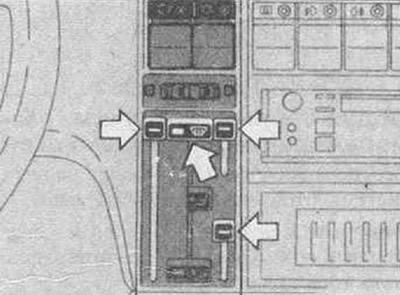
Cooling of the glove compartment
When the air conditioner is on (cooler
) cooled air is supplied to the glove compartment.
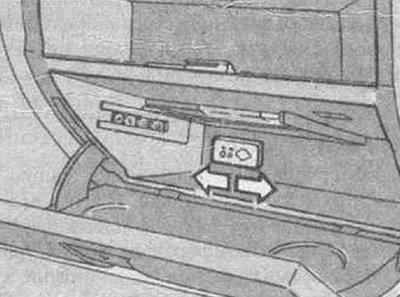
Note: The air conditioner only operates when the engine is running.
During operation, condensed water is drained downwards under the bottom of the vehicle.
When the air conditioner is on, at least one outlet vent must always be open to prevent the evaporator from icing up due to insufficient circulating air flow.
Air Conditioner Care and Maintenance
In order to ensure uninterrupted reliable operation of the air conditioner, it is recommended to turn it on for a short time once a month, regardless of weather conditions (only possible at temperatures above +4°C).
Any type of malfunction or complexity should be eliminated only at a service station, as this requires special equipment and knowledge.
Additional measures will be required if you clean the engine with steam or dry the car in an electric oven after painting.
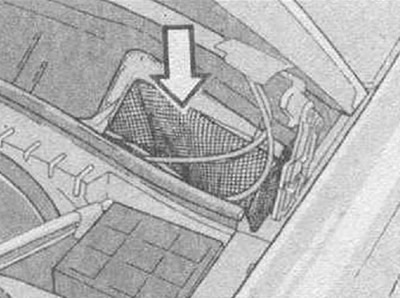
The air intake grilles on the left and right in front of the windshield must not be covered by leaves or snow.
Visitor comments