


1. Check and adjust tire pressure and make sure valve caps are securely installed (photo).
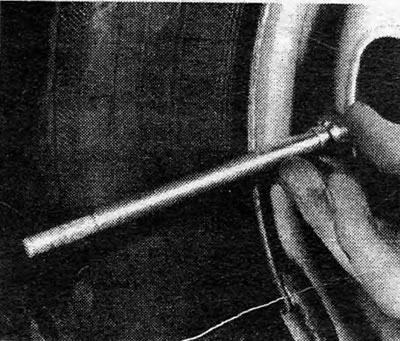
Photo 2.1 Check tire pressure regularly.
2. Carefully inspect the tires for wear, damage and aging. Raise each wheel off the ground using a suitable jack so that a full inspection can be made (photo).
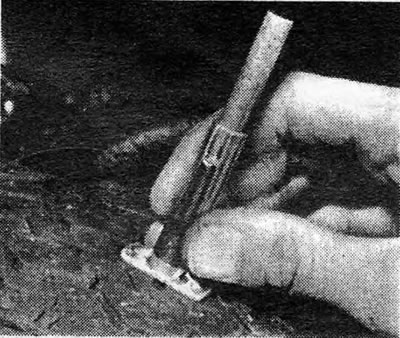
Photo 2.2 Checking the tire tread depth.
(Material copied from this resource: www.OpelBook.ru)
3. With the wheel off the ground, grab it by the top and bottom and try to rock it to determine if there is any play in the hub. Excessive play indicates wear in the hub bearings, although on the front wheels, check to see if the play is due to wear in the lower suspension ball joint.
4. Place the vehicle on a repair ramp or jack it up and support it on axle stands for safety. Inspect the front and rear shock absorbers for fluid leaks. If necessary, remove and repair or replace the shock absorber or strut.
5. Periodically inspect the suspension mounting points for safety and for signs of severe corrosion or damage; if this is discovered, it is necessary to immediately approach the solution of this problem from a professional point of view.
6. For models equipped with a level control system, check the condition of the hoses of this system.
Visitor comments