OpelBook.ru
Cars AvtoVAZ Cars Mitsubishi Cars BMW Cars Mercedes Cars Nissan Cars Toyota Cars Chevrolet
English Русский
Български
Беларускі
Український
Српски
Hrvatski
Română
Polski
Slovenský
Magyar
 |  Sitemap  |  Contacts  |    


Main Astra Corsa Insignia Kadett Omega Vectra Zafira Others Articles
Astra F (1991-1998, petrol) Astra G (1998-2004, petrol) Astra G (1998-2004) Astra H (2004-2009) Astra J (2009-2015, petrol)
  • Main
  • Astra
  • Astra J
  • Chassis
  • Brake system
  • Checking the tightness of the hydraulic brake system

Checking the tightness of the hydraulic brake system (Opel Astra J)

            0

To prevent sudden failure of the brake system, carefully check the condition of all pipelines. Replace parts with new ones if there is the slightest doubt about their suitability. All rubber parts of brake assemblies (hoses, cuffs, etc.) regardless of their condition, replace them with new ones after 100 thousand km of mileage or 5 years of operation (whichever comes first), to prevent sudden breaks due to aging.

Note. Brake fluid is very hygroscopic - it absorbs moisture from the air, which, in addition to causing corrosion of brake system parts, lowers the boiling point of the fluid itself, which can lead to brake failure with frequent intensive braking. Therefore, we recommend replacing the brake fluid at least once every 2 years.


Check the tightness by external inspection:
  • from above, from under the hood;
  • from below the car (on a lift or inspection pit);
  • from the sides of the car with the wheels removed.

Note: When inspecting the hydraulic drive part that operates under pressure, have an assistant.


He should press the brake pedal four or five times (in order to create pressure in the hydraulic drive) and keep it pressed until you inspect the hydraulic drive.

Inspection of a hydraulic drive without pressure is acceptable, but less effective.

(Article posted on an online resource: «OPELBOOK»)

Notes:
  • If you find any leaks in the connections, tighten the clamps, plugs, and nuts.
  • Replace hoses and pipelines with mechanical damage.
  • If the slave cylinders are leaking, repair or replace them.


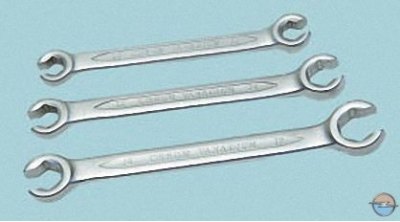
You will need: a special key for pipeline fastening nuts or a 14 mm key, a flat-blade screwdriver, and pliers.


You will need: a special key for pipeline fastening nuts or a 14 mm key, a flat-blade screwdriver,…


Note: This is what special keys for pipeline fastening nuts look like.

Note: This is what special keys for pipeline fastening nuts look like.


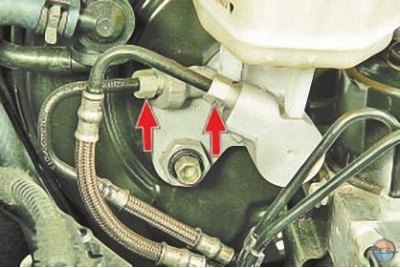
1. Inspect the master cylinder, the connections of the pipes to the master cylinder…
1. Inspect the master cylinder, the connections of the pipes to the master cylinder…


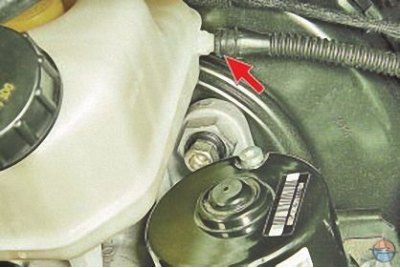
2. …and the reliability of the hose connection to the clutch release drive master cylinder, installed on the reservoir nipple (if the car is equipped with a manual transmission). If the car is equipped with an automatic transmission, the nipple hole is closed with a special spring-loaded plug.


2. …and the reliability of the hose connection to the clutch release drive master cylinder,…


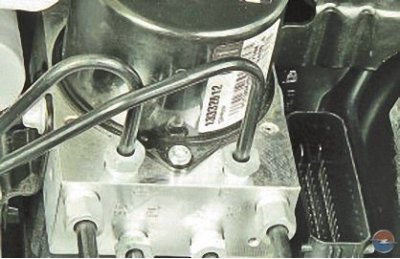
3. Inspect the connections of the pipes to the hydraulic electronic unit of the anti-lock braking system (ABS).

Note: The battery mounting shelf has been removed for clarity.
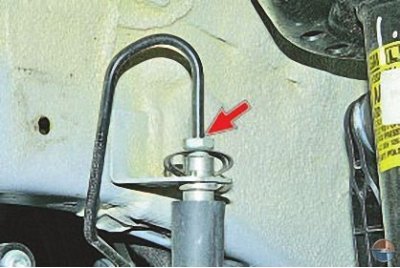

Note: The battery mounting shelf has been removed for clarity.


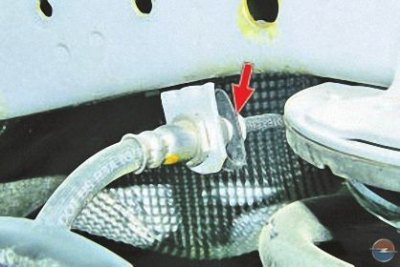
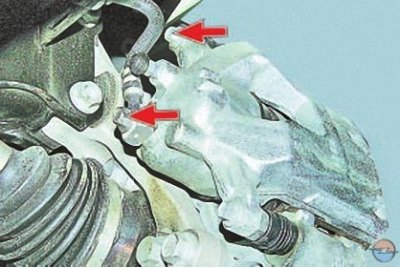
4. Check for fluid leaks from the brake pipe connections to the front…
4. Check for fluid leaks from the brake pipe connections to the front…


5. …and rear brake mechanisms.

6. Carefully inspect the brake hoses. They should not have any cracks, tears or abrasions. Press the brake pedal all the way down: if there are any bulges on the hose, the braiding threads of the hose have broken and it must be replaced.


6. Carefully inspect the brake hoses. They should not have any cracks, tears or abrasions. Press…


7. Inspect the hose connections to the working cylinders and the air release valves of the front brake mechanisms…
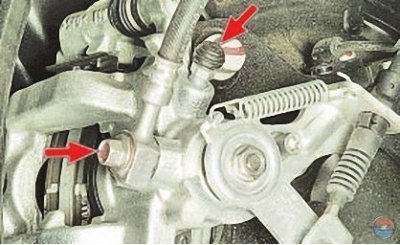
7. Inspect the hose connections to the working cylinders and the air release valves of the front…


8. …and rear wheels.

8. …and rear wheels.


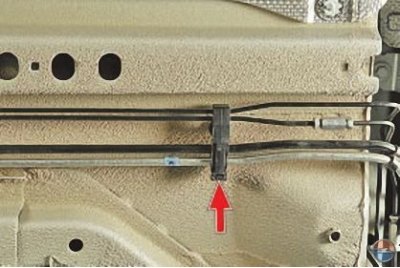
9. Check the condition of the plastic pipe holders. Replace damaged holders, as their weakening or breakage leads to vibration and, as a result, to pipe breakage.


This article is available at russian, bulgarian, belarusian, ukrainian, serbian, croatian, romanian, polish, slovak, hungarian
Checking the article: Trifonova Emilia

Share information:

Previous articles
Opel Astra J: Brake system
Next articles

Checking the brake pedal position
Features of the brake system
Checking the operation of the brake booster
Checking the degree of wear of brake pads and discs
Checking the parking brake
Bleeding the hydraulic brake system
Replacing brake fluid
Replacing the brake master cylinder reservoir


See similar ones from other Opel car manuals:
▶ Checking the brake fluid level in the hydraulic reservoir… Opel Corsa C (2000-2006, petrol)
▶ Checking the tightness of the cooling system Opel Insignia A (2008-2017)
▶ Bleeding the brake hydraulic system without special… Opel Kadett E (1984-1995)
▶ Brake hydraulic system — bleeding Opel Vectra A (1988-1995, petrol)
▶ Brake system — checking technical condition Opel Zafira A (1999-2005, petrol)
Link to this page in different formats

Visitor comments


No comments yet


How much will 42 + 20 =


Astra J (2009-2015, petrol) 
  • General information
  • Vehicle device
  • User manual
  • Faults en route
  • Maintenance
  • Power unit
  • Engine repair
  • Cooling and lubrication system
  • Engine power system
  • Exhaust system
  • Transmission
  • Clutch
  • Car gearbox
  • Drive shafts
  • Chassis
  • Front suspension
  • Rear suspension
  • Steering
  • Brake system
  • Wheels and tires
  • Body
  • Exterior
  • Interior
  • Doors and windows
  • Body Care
  • Heating and air conditioning
  • Security systems
  • Electrical equipment
  • Equipment and devices
  • Lighting and signaling
  • Power devices
  • Electrical circuits
Astra H (2004-2009) 
  • General information
  • Introduction to the guide
  • Troubleshooting
  • User manual
  • Maintenance
  • Power unit
  • Engine repair
  • Cooling and heating
  • Power and exhaust system
  • Ignition system
  • Launch and charge system
  • Transmission
  • Mechanical gearbox
  • Automatic gearbox
  • Drive shafts
  • Chassis
  • Brake system
  • Car suspension
  • Steering
  • Body
  • Interior
  • Exterior
  • Electrical equipment
  • Equipment and devices
  • Electrical circuits
Astra G (1998-2004) 
  • General information
  • Introduction to manual
  • User manual
  • Maintenance
  • Power unit
  • SOHC gasoline engines
  • DOHC gasoline engines
  • Diesel engines 1.7 and 2.0
  • Engine repair
  • Cooling system
  • Supply system
  • Injection system (gasoline)
  • Injection system (diesel)
  • Exhaust system
  • Charge and launch system
  • Ignition system (gasoline)
  • Preheat system (diesel)
  • Transmission
  • Manual gearbox
  • Automatic gearbox
  • Clutch
  • Drive shafts
  • Chassis
  • Brake system
  • Wheel suspension
  • Steering
  • Body
  • Exterior
  • Interior
  • Doors and windows
  • Ventilation and heating
  • Electrical equipment
  • Equipment and devices
  • Electrical circuits
Astra G (1998-2004, petrol) 
  • General information
  • User manual
  • Car care
  • Maintenance
  • Power unit
  • Single shaft engines
  • Twin shaft engines
  • Engine repair
  • Cooling and heating
  • Fuel and exhaust systems
  • Starting and charging system
  • Ignition system
  • Transmission
  • Clutch
  • Mechanical gearbox
  • Automatic gearbox
  • Drive shafts
  • Chassis
  • Brake system
  • Car suspension
  • Steering
  • Body
  • Interior
  • Exterior
  • Electrical equipment
  • Equipment and devices
  • Wiring diagrams Opel Astra
  • Wiring diagrams Opel Zafira
Astra F (1991-1998, petrol) 
  • General information
  • Maintenance
  • Power unit
  • Engine in car
  • Engine removed
  • Cooling system
  • Heating and ventilation
  • Fuel supply (carburetor)
  • Fuel supply (injector)
  • Emission control
  • Ignition system
  • Transmission
  • Clutch
  • Mechanical gearbox
  • Automatic gearbox
  • Drive shafts
  • Chassis
  • Brake system
  • Car suspension
  • Steering
  • Body
  • Exterior
  • Interior
  • Electrical equipment
  • Equipment and devices
  • Electrical circuits
OpelBook.ru © 2017–2026 · Mobile version · · Sitemap: EN BG BY UA RS HR RO PL SK HU · Feedback · Site search
Astra F, petrol · Astra G, petrol · Astra G · Astra H · Astra J, petrol · Corsa B · Corsa C, petrol · Corsa C · Insignia A · Kadett D · Kadett E · Omega A · Omega B · Omega B2 · Vectra A, petrol · Vectra A · Vectra B, petrol · Vectra B · Vectra C · Zafira A, petrol · Frontera A, petrol · Frontera B · Ascona C · Vivaro A ·
We want your visit to be comfortable 🤝! We use cookies 🍪 to make that happen.