


Contents: Manual control ⬇ Defogging and defrosting of glass ⬇ Heated rear window and outside…⬇ Automatic mode without air cooling…⬇ Blowing direction ⬇ Blowing intensity ⬇ Engine residual heat utilization mode ⬇ Turning off the automatic air…⬇ Heated front seats ⬇ Heated rear seats ⬇
When the air recirculation mode is turned on, fresh air is not supplied to the passenger compartment. Only the air present in the passenger compartment is recirculated.
To activate the automatic air recirculation mode in the passenger compartment, press the button with the symbol twice within one second
 . This symbol will be displayed on the display.
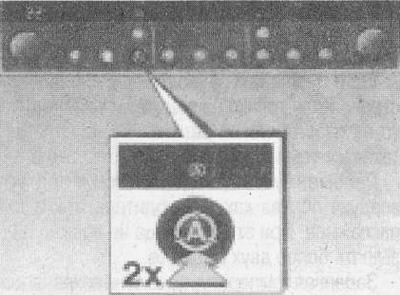
In this case, the air recirculation mode in the cabin will be switched on automatically as soon as the system detects the presence of harmful particles in the air supplied to the cabin. Recognition is performed by a special sensor.
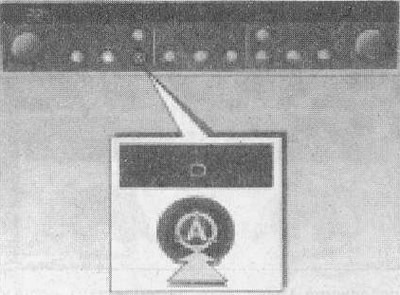
To turn off the automatic mode, press the button
should be pressed again.
If the outside air temperature is below 5°C, the duration of the recirculation mode is limited to avoid fogging of the windows. If necessary, it is recommended to turn on the air recirculation mode manually.
To do this, press the button once
. The display will show  .
.
The air circulation system should only be switched on for short periods of time due to the gradual deterioration of the air quality in the cabin. To switch off the mode, press the button again
.
Manual control
Under certain conditions (for example, fogging or icing of the windows or penetration of unpleasant odors into the interior) the automatic air conditioning system functions can be switched on manually.
When the ignition is turned on again, the last selected system settings are automatically reset.
Defogging and defrosting of glass
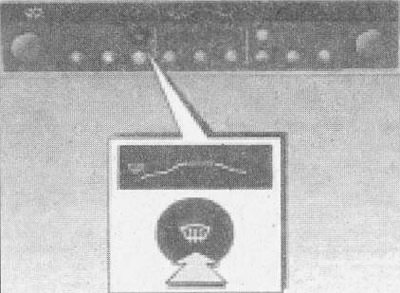
Click the button
 .
.
Temperature and fan speed are set automatically. Glass is quickly cleared of ice and condensation.
To return to automatic mode, press the button
or AUTO.
Heated rear window and outside rearview mirrors
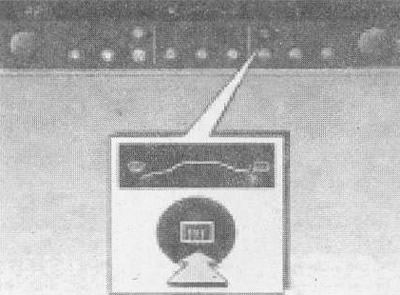
Click the button
 .
.
The rear window heating switches off automatically after approximately 15 minutes.
To return to automatic mode, press the button
.
Source is on the website (Opelbook.ru)
Automatic mode without air cooling (in order to save fuel)
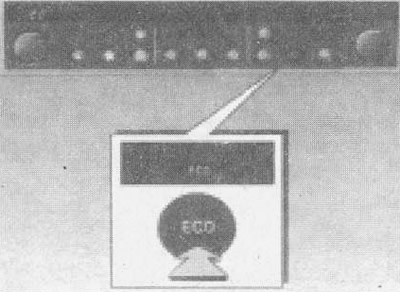
Press the ECO button. This mode is selected to save fuel. The air conditioner compressor does not turn on. The air entering the cabin is not cooled or dehumidified, which can lead to fogging of the windows. To return to the cooling mode, press the ECO button.
Blowing direction
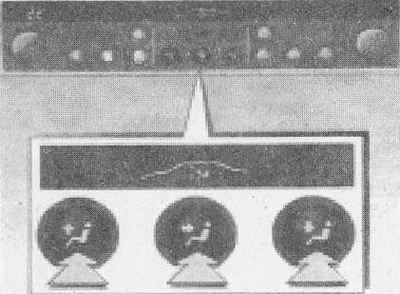
Click one of the following buttons:
 - the air flow is directed to the windshield, to the front door windows;
 - the air flow is directed to the face area;
 - the air flow is directed to the footwells of the front and rear passengers.
To return to automatic mode, press the corresponding button again or the AUTO button.
Blowing intensity
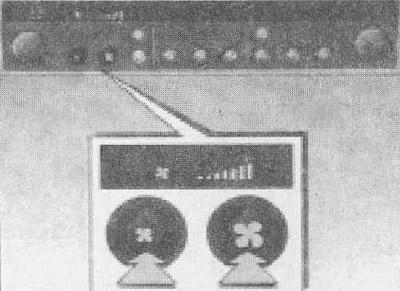
Press the left or right buttons
 . The selected fan speed is displayed on the display graphically, with lines increasing in size. After a while, the graphic display of the fan speed disappears from the display. Only the icon reminds you of manual fan speed adjustment on the display.
To return to automatic mode, press the AUTO button or set the rotation speed manually using the buttons
until four fan speed lines appear on the display.
Engine residual heat utilization mode
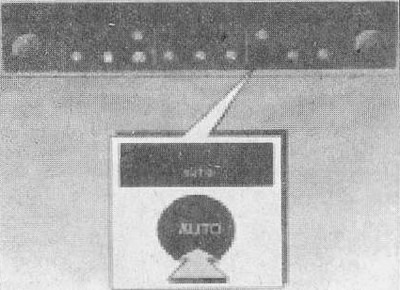
When the car is stopped and the ignition is turned off, the heat of the coolant that has not yet cooled down can be used to heat the interior.
To do this, press the AUTO button after turning off the ignition. The AUTO mode and previously set temperatures in the cabin are displayed on the screen.
To turn off this mode, simply turn on the ignition or press the OFF button.
Turning off the automatic air conditioning system
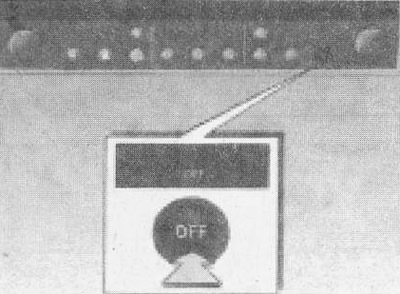
Press the OFF button, all air conditioning system functions are turned off.
The direction of air flow into the passenger compartment is maintained. To turn on the automatic air conditioning system, press the OFF button again or the AUTO button.
Heated front seats
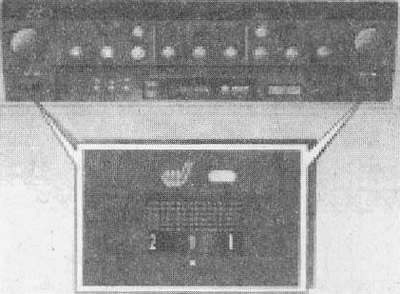
Seat heating is only possible after the ignition is turned on.
To turn on the seat heating, two gears are used
 on the air conditioner switch panel. Turn the corresponding gear to the desired position. To turn off the seat heating, turn the gear to the "-" position.
Heated rear seats
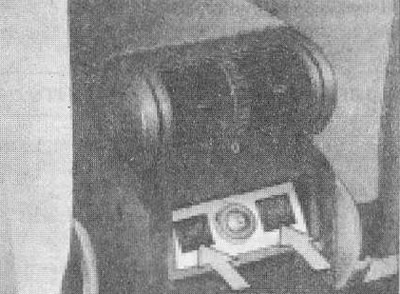
Seat heating is only possible after the ignition is turned on.
There are two buttons to turn on the seat heating
on the rear of the center console under the air deflectors.
To turn on the seat heating, press the button. Pressing the button again turns the heating off.
After the ignition is turned off, the seat heating is also turned off.
Visitor comments