


Sequence of execution
1. Warm up the engine to a temperature of at least 70°C. This is necessary for a more complete draining of old oil from the lubrication system.
2. Place the vehicle on an inspection ditch or overpass (see "Preparing the car for maintenance and repair").
3. Open the oil filler cap (see "Checking the levels of technical fluids").
4. Place a container of at least 4 liters under the drain hole of the engine oil pan and use a TORX T35 key to unscrew the drain hole plug.
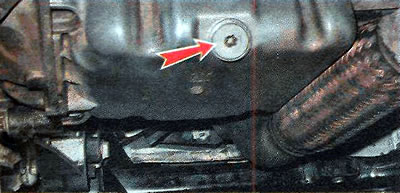
Warning! Perform the operation carefully, as there is a risk of being burned by the drained oil.
5. Using a puller or by hand, unscrew the oil filter.
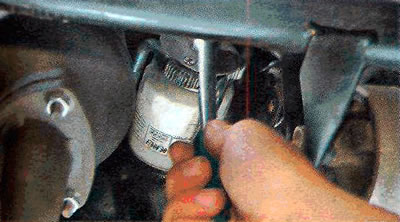
6. Using a rag, clean the mating surface and the oil filter mounting nipple from oil.
7. Clean the threads of the drain plug and replace the rubber ring.
[Article published on the website: OpelBook]
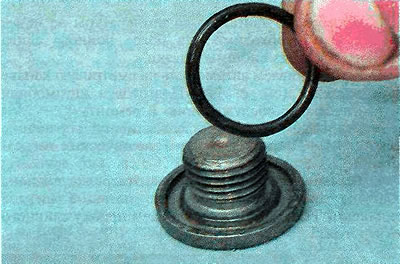
8. Screw the plug into the drain hole of the engine oil pan.
9. Lubricate the rubber gasket of the oil filter with oil.
10. Screw the filter onto the fitting and tighten it using only hand force.
11. Fill the engine with fresh oil.
Recommendation: Do not immediately pour in the recommended 3.5 liters of oil. Old oil usually does not drain completely. It is better to first pour in about 3 liters, and then top up as needed, monitoring the level with the oil level indicator (see "Checking the engine oil level").
12. Install the oil filler cap.
13. Start the engine for a few minutes, then stop it and check the oil level and the absence of leaks from under the filter gasket and drain plug.
Note: The oil pressure warning light may remain on for a little longer than usual, but should go out within a few seconds. If the light does not go out within 5 seconds, stop the engine immediately and investigate the cause of the drop in oil pressure (see "Possible car malfunctions and their causes").
Visitor comments