


Clutch in engaged position (with the pedal released) should not "slip" and transmit torque from the engine to the transmission without loss, and when the clutch pedal is pressed, completely disconnect the transmission from the engine. Clutch engagement should be smooth, without jerks.
Sequence of execution
1. With the engine not running, press the clutch pedal several times. Make sure there are no jams in the clutch release mechanism, no creaks, knocks or other extraneous noises.
2. Start the engine. If a howling sound is heard from the clutch housing, which gets louder when the clutch pedal is pressed, the clutch release bearing is most likely worn out (see "Clutch slave cylinder - check and replacement").
3. With the engine running, press the clutch pedal all the way down and engage the gear. Engaging should be easy, without any crackling or crunching. If you hear a crackling sound when engaging gears and disengaging is difficult, then the clutch is not disengaging completely. Bleed the clutch release hydraulic drive (see below, "Clutch release hydraulic drive - bleeding"). If there is no air in the drive, the clutch master cylinder may be faulty (see "Clutch Master Cylinder - Replacement"), clutch slave cylinder (see "Clutch slave cylinder - check and replacement"), the clutch diaphragm spring is worn out or has lost elasticity (see "Clutch - Checking and Replacing").
4. Check for signs of brake fluid leaks under the car at the junction of the gearbox housing and the engine cylinder block (this is accompanied by a gradual decrease in the fluid level in the reservoir of the master brake cylinder). If there are signs of leakage, then the tightness of the clutch release slave cylinder is broken and it must be replaced (see "Clutch slave cylinder - check and replacement").
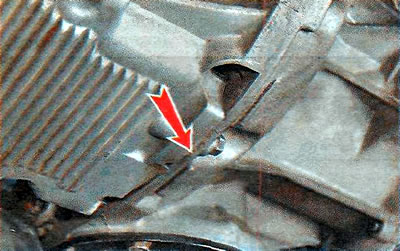
5. Check for signs of brake fluid leakage along the clutch master cylinder rod (this is accompanied by a gradual decrease in the fluid level in the master cylinder reservoir). If there are signs of leakage, the clutch master cylinder is not sealed and must be replaced (see "Clutch Master Cylinder - Replacement").
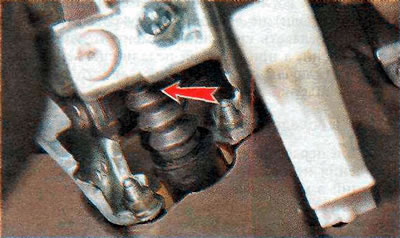
6. With the engine running and first gear engaged, gradually releasing the clutch pedal, check the smoothness of the clutch engagement, the absence of jerks or extraneous sounds when starting off. Jerks and rattling when the clutch is engaged can be caused by oiling or warping of the clutch discs or destruction of the torsional vibration damper (see "Clutch - Checking and Replacing").
7. While driving in third or fourth gear, sharply press the gas pedal. If the crankshaft speed increases quickly, and the car accelerates sluggishly, then the clutch is slipping. This is also indicated by the appearance of a burning smell in the cabin, emitted by very hot friction linings of the driven disk. To eliminate this malfunction, it is necessary to replace the clutch (see "Clutch - Checking and Replacing").
If the above signs of malfunction are not detected during the clutch diagnostics, the clutch is in good technical condition.
Visitor comments