


The technical condition of the suspension can be assessed while the car is moving. When driving at low speed on an uneven road, the suspension should work without knocking, creaking or other extraneous sounds. After driving over an obstacle, the car should not swing.
Recommendation: It is better to combine the suspension check with the check of the condition of the tires and wheel hub bearings (see "Wheels, tires and hubs - technical condition check"). One-sided wear of the tire tread indicates deformation of the rear suspension parts.
To carry out the work, you will need an inspection pit or overpass.
Sequence of execution
1. Prepare the car for work (see "Preparing the car for maintenance and repair").
Recommendation: Check the functionality of the shock absorbers immediately after a long trip, while the working fluid in the shock absorbers has not cooled down.
1. Vigorously swing the rear of the car body in the vertical direction. If the body continues to oscillate due to inertia (more than two: up and down), after it has stopped swinging, then one or both shock absorbers are faulty. To identify the faulty shock absorber, repeat the test, applying force first on one side of the car, then on the other.
Note: This test can only detect faulty shock absorbers. The effectiveness of shock absorbers in damping vibrations can only be tested on a special stand.
3. Inspect the suspension shock absorbers - no fluid leaks from the shock absorbers are allowed.
4. Using a tire iron as a lever, check the integrity of the rear suspension silent blocks. If there is noticeable play, the rear suspension beam must be replaced.
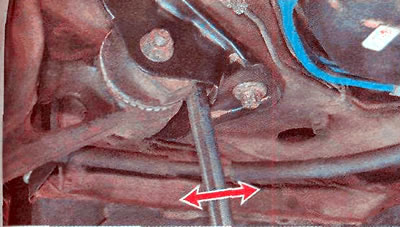
5. Check the tightening of the nuts securing the suspension parts, and if necessary, tighten them to the specified torques (see "Reference data").
6. Inspect the suspension parts. Deformation and fatigue cracks in the suspension parts are not allowed. Replace damaged parts.
Visitor comments