


2. Car stands, adjustable in height and with a permissible load of at least 1 ton. It is advisable to have four such stands.
3. Wheel chocks (at least 2 pcs.).
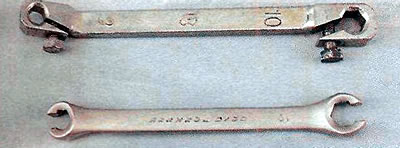
4. Double-ended wrenches for 10 and 12 mm brake system nipples. The two most common types of such wrenches are a clamp wrench and a slotted open-end wrench. A clamp wrench allows you to unscrew nipples with worn edges. In order to put the wrench on the nipple of the brake pipe, you need to unscrew the clamping bolt. A slotted open-end wrench allows you to perform the work more quickly, but such a wrench must be made of high-quality steel with appropriate heat treatment.
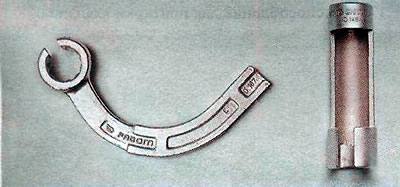
5. Special keys for oxygen concentration sensors. They are made of high-quality steel and have a special shape, which is especially important, since replacing oxygen concentration sensors is usually associated with special difficulties.
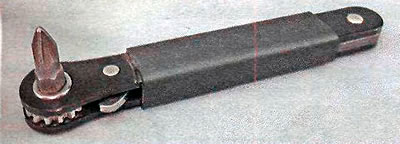
6. Flat ratchet with removable tips. Can be used in hard-to-reach places as a flat reversible screwdriver.
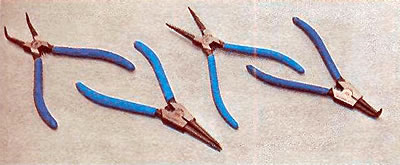
7. Snap ring pliers. There are two types of such pliers: for extracting snap rings from holes and for removing snap rings from shafts, axles, rods. Such pliers come with straight and curved jaws.
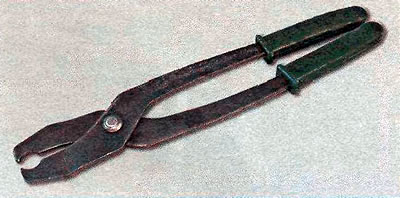
8. Special pliers for installing clamps for CV joint protective covers.
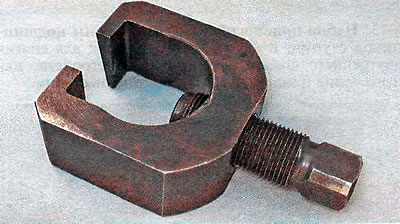
9. Puller for pressing out ball joint pins and steering rod ends.
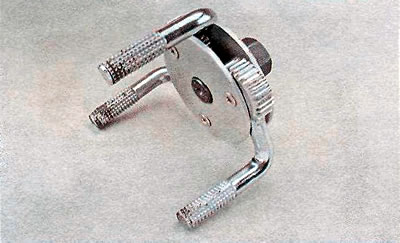
10. Oil filter remover.
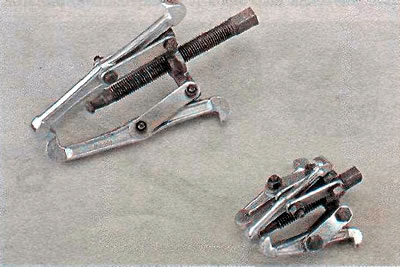
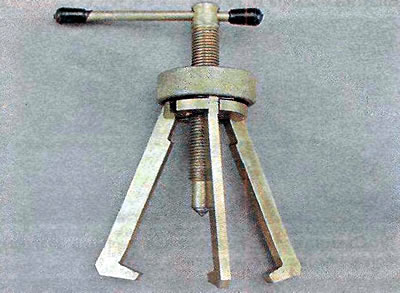
11. Universal three-jaw pullers for removing pulleys, hubs, gears.
12. Universal puller with narrow grips for removing couplings, gears, bearing rings. The puller design allows for combination by installing two or three grips.
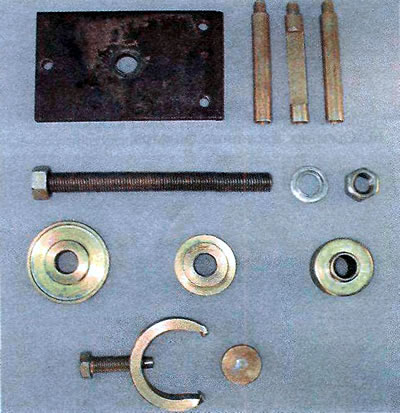
13. Set of tools for replacing hub bearings. The set includes a puller for removing the inner bearing ring and a device for extracting and pressing in hub bearings.
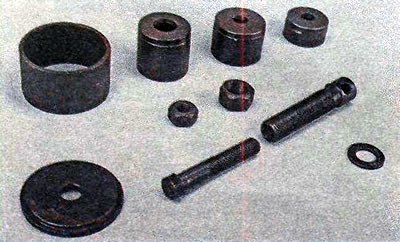
14. Universal cup puller for extracting and pressing in hub bearings and rubber-metal hinges (silent blocks) levers.
15. Device for replacing oil scraper caps.
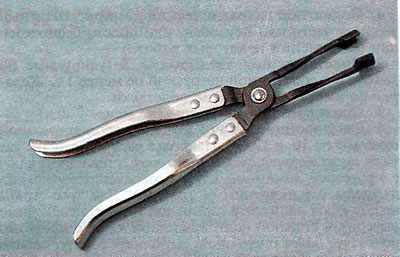
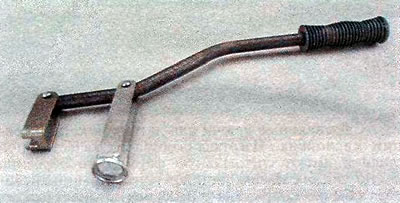
16. Valve spring compressor for compressing valve springs of the gas distribution mechanism.
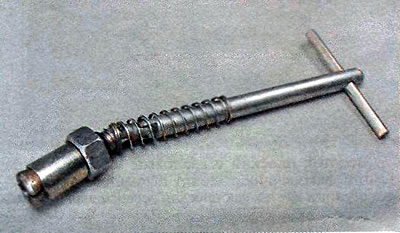
17. Device for grinding valves.
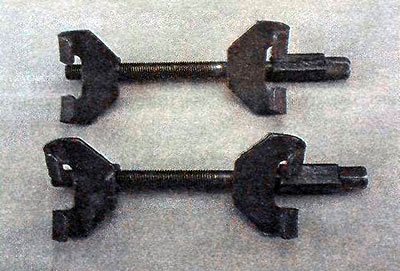
18. Suspension spring clamps.
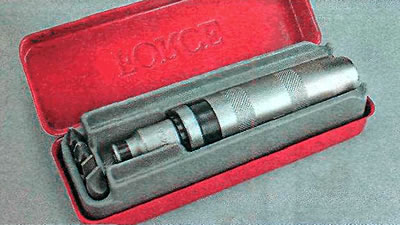
19. Impact screwdriver with a set of bits.
20. Digital multimeter (tester) for checking sensors and electrical circuits.
21. A special 12V probe or test lamp for checking the electrical circuits of the vehicle that are under voltage.
22. Tire pressure gauge (if there is no pressure gauge on the tire pump).
23. Pressure gauge for measuring pressure in the engine fuel rail.
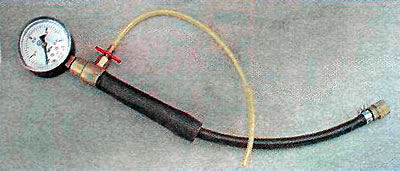
24. Pressure gauge for checking the pressure in the engine lubrication system.
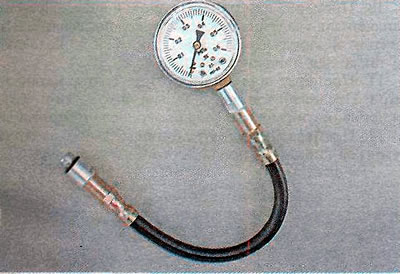
25. Compression gauge for checking the pressure in the engine cylinders.
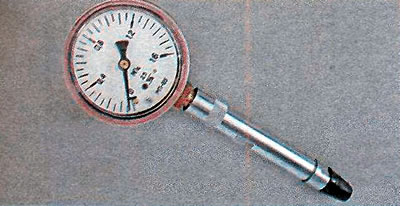
26. Caliper with depth gauge.
27. Set of round feeler gauges for checking the gap between the spark plug electrodes. You can use a combination wrench for servicing the ignition system with a set of the necessary feeler gauges. The wrench has special slots for bending the side electrode of the spark plug.
28. A set of flat feeler gauges for measuring gaps when assessing the technical condition of units.
29. Universal mandrel for centering the clutch slave disc relative to the pressure plate (basket).
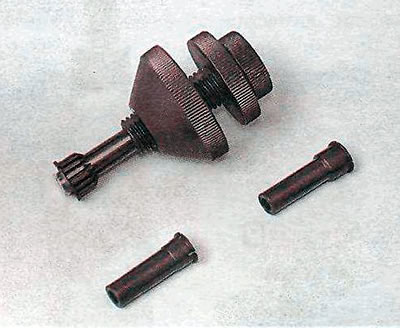
30. Hydrometer for measuring the density of antifreeze in the expansion tank.
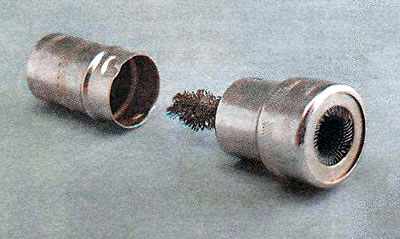
31. A special device with metal brushes for cleaning wire terminals and battery terminals.
32. Magnet on a telescopic pointer for extracting small metal objects from hard-to-reach places.
Original posted on the website www.opelbook.ru
33. Oil syringe for filling oil into the gearbox housing.
34. Fuel transfer hose with bulb. Hoses can be used to remove fuel from the tank before removing it.
35. Wide and narrow locksmith (metal) ruler for checking planes.
36. Technical hair dryer (heat gun). Necessary for heating parts during installation and dismantling, for example, heat shrink tubes during electrical wiring repairs.
37. When performing work, you may also need: a clamp, tape measure, household spring balance, tweezers, a wide container for draining oil and coolant with a capacity of at least 10 liters, a medical syringe or a bulb for collecting liquid.
Visitor comments